From prayer to purity: Govt snuffs out chemicals in agarbattis
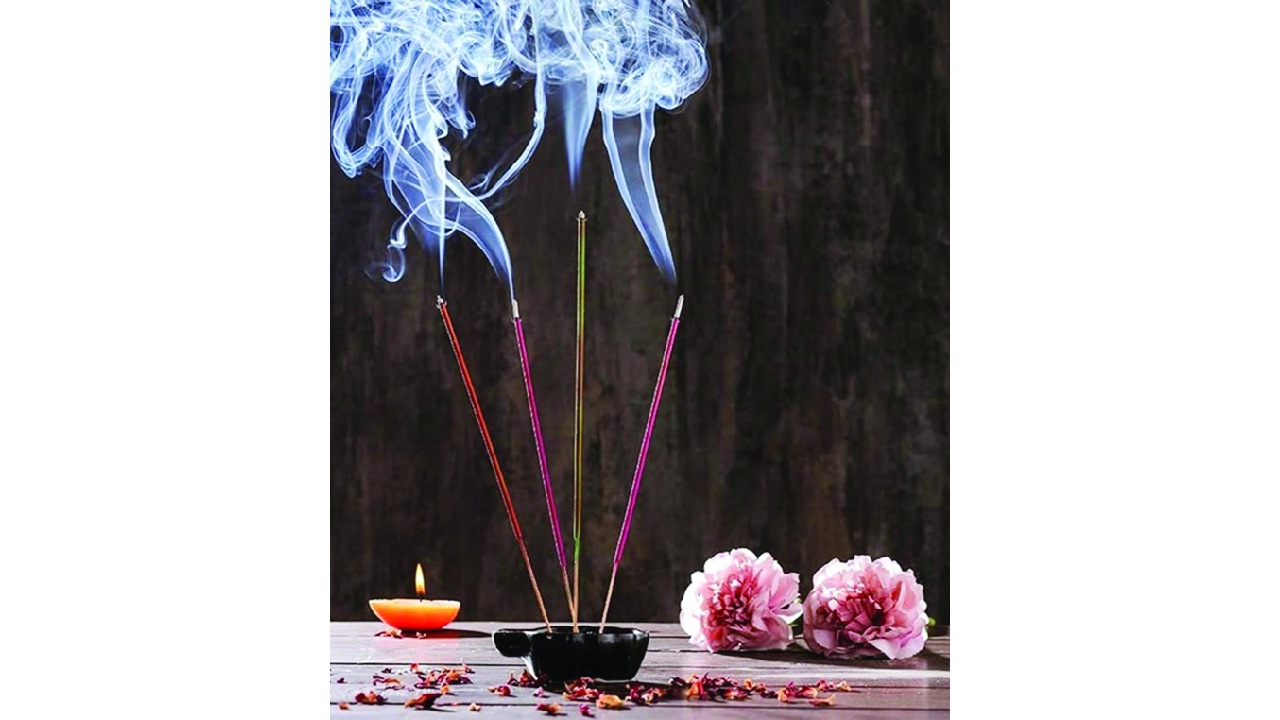
India, the world’s largest producer and exporter of incense sticks (agarbattis), has prohibited the use of certain insecticidal chemicals and synthetic fragrance substances in agarbattis that may pose risks to human health, indoor air quality and the environment while strengthening an industry estimated at INR 8,000 crore annually.
This includes certain insecticidal chemicals such as alethrin, permethrin, cypermethrin, deltamethrin, and fipronil, as well as synthetic fragrance intermediates like benzyl cyanide, ethyl acrylate, and diphenylamine. Many of these substances are restricted or banned internationally due to their potential impact on human health, indoor air quality, and ecological safety.
The Government issued a notification announcing a new Indian Standard for incense sticks, laying down quality norms and specifying a list of substances prohibited for use in their manufacture. The standard has been developed by the Bureau of Indian Standards (BIS) to ensure safer products and promote responsible and sustainable practices in the incense stick industry, the minister for consumer affairs said in a statement released on National Consumer Day 2025.
Incense sticks, popularly known as agarbattis, are an integral part of India’s cultural and religious practices and are widely used in households, places of worship, meditation centres and wellness spaces. With rising global interest in yoga, meditation, aromatherapy and holistic well-being, demand for incense products has increased significantly in both domestic and international markets. Considering consumer safety, indoor air quality, environmental sustainability and regulatory compliance-along with global restrictions on certain fragrance compounds and chemicals globally-has therefore underscored the need for a dedicated Indian Standard for agarbattis.
The standard classifies agarbattis into machine-made, hand-made, and traditional masala agarbattis, and prescribes requirements for raw materials, burning quality, fragrance performance, and chemical parameters, ensuring safer products and consistent quality for consumers.
India is the world’s largest producer and exporter of agarbattis, with the industry estimated at around INR 8,000 crore annually and exports of about INR 1,200 crore to more than 150 countries. The sector supports a large ecosystem of artisans, MSMEs and micro-entrepreneurs, particularly in rural and semi-urban areas, and provides significant employment opportunities, especially for women.
With rising global demand for incense products growing steadily in India and overseas, the international studies and regulatory developments, “particularly in Europe have raised concerns over the use of certain synthetic chemicals in fragranced products, including incense sticks,” the release stated.
Products conforming to this standard will be eligible to carry the BIS Standard Mark, enabling consumers to make informed choices with confidence. The notification of IS 19412:2025 is expected to boost consumer confidence, promote ethical and sustainable manufacturing practices, protect traditional livelihoods and enhance global market access for Indian agarbatti products.
The standard has been developed by the Fragrance and Flavour Sectional Committee (PCD 18) of BIS through extensive stakeholder consultations. Experts from institutions such as CSIR-Central Institute of Medicinal and Aromatic Plants (CIMAP), CSIR-Indian Institute of Toxicology Research (IITR), CSIR-Central Food Technological Research Institute (CFTRI), the Fragrance and Flavour Development Centre (FFDC), Kannauj, and the All India Agarbatti Manufacturers Association contributed to its formulation.