Bindra-led Task Force highlights deficits in Indian sports administration; Mandaviya promises revamp
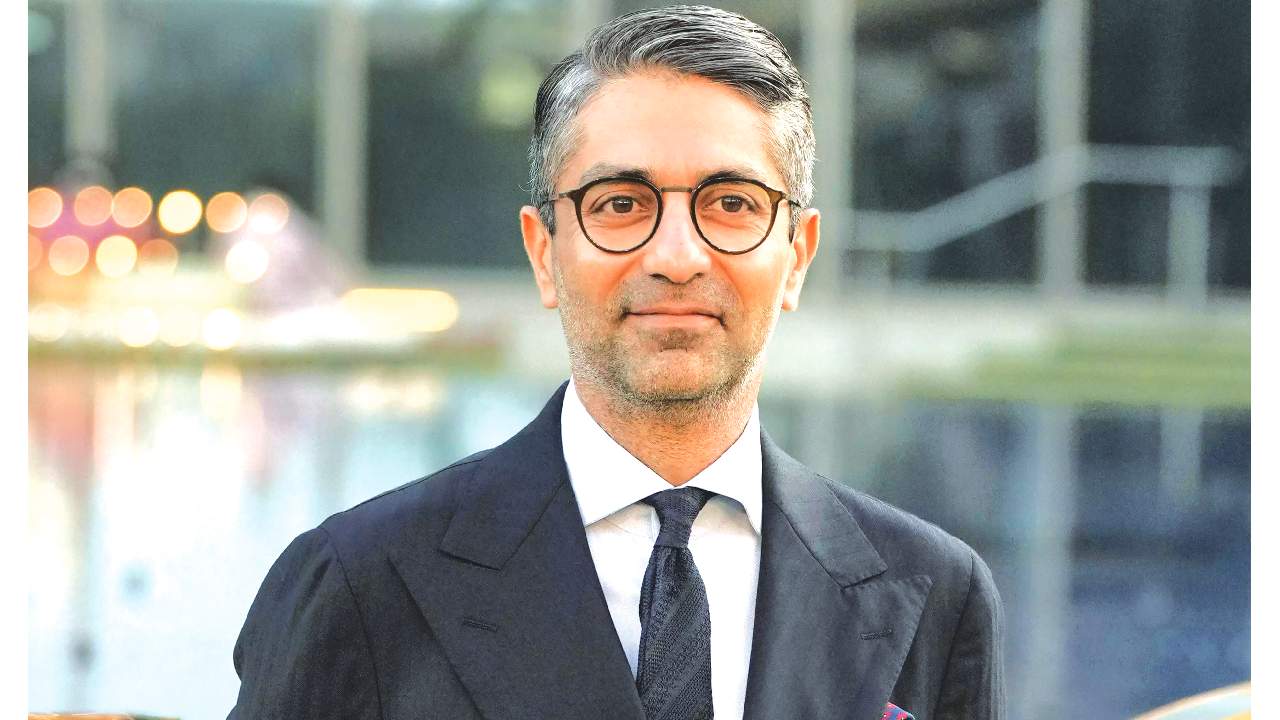
An Abhinav Bindra-led Task Force set up by the Sports Ministry has pointed out “systemic deficits” in India’s sports administration, including “inadequate and ill-equipped” athletes for governance roles, and recommended the setting up of an autonomous statutory body to train a specialised cadre that would also feature IAS officers. The 170-page report of the Task Force has been submitted to Sports Minister Mansukh Mandaviya, who on Tuesday said “all its recommendations will be implemented”.
To address the current “gaps” that ail the Sports Authority of India (SAI), the National Sports Federations (NSFs) and the state departments, the committee has recommended that a National Council for Sports Education and Capacity Building (NCSECB) be set up under the Ministry “to regulate, accredit, and certify sports administration training.” The nine-member Task Force was set up in August this year and featured, among others Adille Sumariwala and former Target Olympic Podium Scheme’s CEO Cdr. Rajesh Rajagopalan.
The panel highlighted lack of a professional cadre of sports administrators, and outdated training opportunities for them with “limited focus on competencies or continuous professional development.” It also said that most athletes are “ill-equipped” when it comes to skills needed to transition from their sporting careers into administrative roles. “This report is both diagnostic and prescriptive. It identifies the structural, functional, and systemic gaps that currently constrain sports governance, but more importantly, it charts a roadmap for transformation,” said Bindra in its preface.
The Task Force was entrusted with a wide-ranging mandate and it included evaluation of the current administrative framework across institutions such as SAI, NSFs and state associations. “We engaged deeply with the sporting ecosystem. We consulted athletes, government officials, SAI administrators, NSF representatives, State functionaries, academic experts, and international institutions,” Bindra said in the report. The SAI, which has also been deemed understaffed by the parliamentary standing committee
on sports, came in for some heavy scrutiny even from the Task Force along with the state sports departments. Describing the two as the “backbone” of India’s sports administration, the panel concluded that “both institutions face deep systemic and capacity challenges that hinder professionalism, efficiency, and governance effectiveness.” “These gaps not only constrain the implementation of national policies but also weaken coordination with federations and other stakeholders, limiting India’s ability to build a modern, athlete-centric sports ecosystem,” it pointed out.
“Neither SAI nor State departments have a dedicated sports administration service. Instead, roles are filled by generalist civil servants or contractual staff, often lacking sector-specific expertise. “This has resulted in ad-hoc decision-making, weak institutional continuity, and an absence of long-term professionalisation.” The panel then mentioned the “poor coordination” between SAI, NSFs, and State Departments, calling it “limited and fragmented.”