First national conference on psychogenic epilepsy at BHU
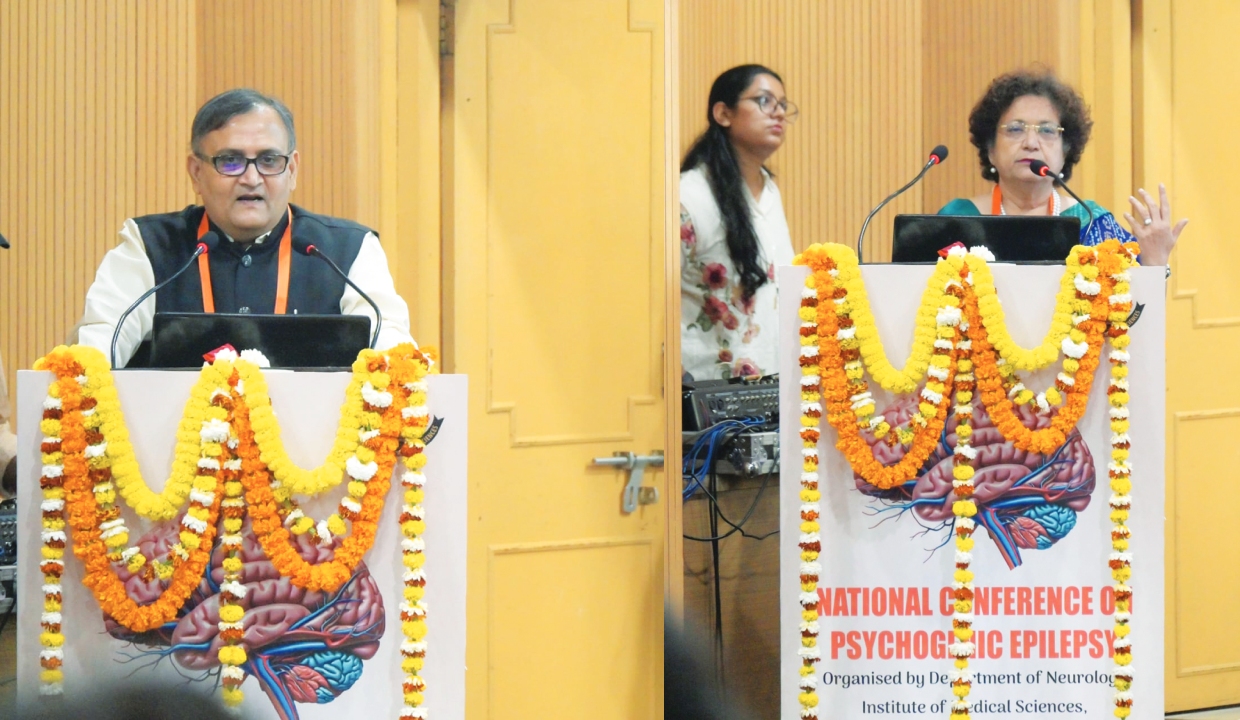
The Department of Neurology at the Institute of Medical Sciences (IMS), Banaras Hindu University in Varanasi, organised a 2-day National Conference on Psychogenic Epilepsy on March 7 to 8, 2026. The conference brought together leading experts from across the country to discuss research and treatment related to Psychogenic Non-Epileptic Seizures (PNES).
4 senior faculty members from IHBAS, Delhi, were invited to present their research papers at the event. These included Dr CB Tripathi from the Department of Biostatistics, Dr Rachna Agarwal from Neurochemistry, Dr Suman Kushwaha from Neurology, and Dr UK Sinha from Clinical Psychology.
Dr CB Tripathi spoke on the validity and reliability of diagnostic tools and instruments used in identifying PNES. Dr Rachna Agarwal presented her research on the genetic and psychiatric aspects associated with Psychogenic Non-Epileptic Seizures. Dr UK Sinha discussed the psychological management of PNES, highlighting the importance of psychotherapy in treatment. Meanwhile, Dr Suman Kushwaha who participated as an expert neurological panelist during the discussion sessions.
Professor VN Mishra from the Department of Neurology at IMS-BHU served as the organising secretary of the conference. According to organisers, the event was unique as it is believed to be the first national conference in the country dedicated specifically to this disorder. The conference provided a platform for clinicians, researchers and mental health professionals to share knowledge and improve understanding of PNES and its management.
Psychogenic Non-Epileptic Seizures are involuntary episodes that resemble epileptic seizures but are not caused by abnormal electrical activity in the brain. They are often triggered by stress, emotional distress, past trauma or underlying psychiatric conditions. Experts at the conference emphasised that PNES is primarily treated through psychotherapy, particularly cognitive behavioural therapy (CBT), along with medication where necessary to manage conditions such as anxiety or depression.