Exiled kurds await Iran regime change
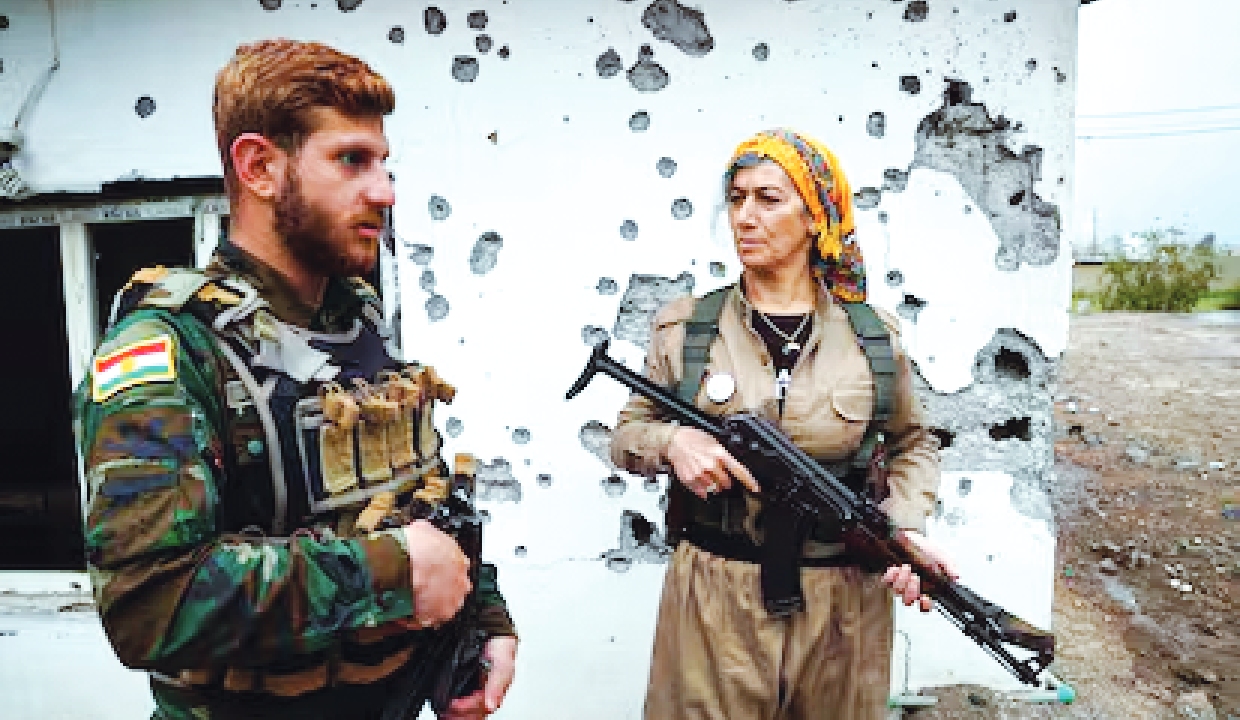
They fled Iran as children and now, living in Iraq as adults, they express guarded hope that the US–Israeli war with Iran will weaken the theocracy that forced them into exile decades ago.
Behind that hope is the longing of Iranian Kurds in Iraq that they can someday return to homes they only remember through paintings on their walls and faded photographs. But the thousands of Kurds know their aspirations for political autonomy and their historical opposition to Iran’s clerical rule have made that unlikely. They say they will only go back if a new Iranian Government is installed, guarantees their safety and supports their goals. Among them are more than 300 families of Kawa Camp in Irbil’s Qushtapa district in northern Iraq’s autonomous Kurdish region.
They were displaced after Iran’s 1979 Islamic Revolution, which sparked a decades-long conflict with Kurdish separatists. Many are descendants of those fighters.
They fled as children with their families from the northern Iranian province of Kermanshah. Most eke out a living on the margins of the Iraqi Kurdish society, where they lack citizenship and don’t have full civil rights, access to services, or the ability to own property. In Kawa Camp, their hope of returning is tempered by deep mistrust of foreign powers that have long exploited their cause for geopolitical ends. Many viewed recent reports that the Trump administration considered calling on them to support ground operations in Iran as the latest example.
“From 1979 until now, this has been our only hope - that the regime will fall. I’m watching the clock; if it falls now, I’ll return home the next second,” said a 57-year-old member of the Iranian Kurdish opposition party living in Kawa, who fled Iran at age 11.