Ex-cops seek balanced narrative on Parliament violence
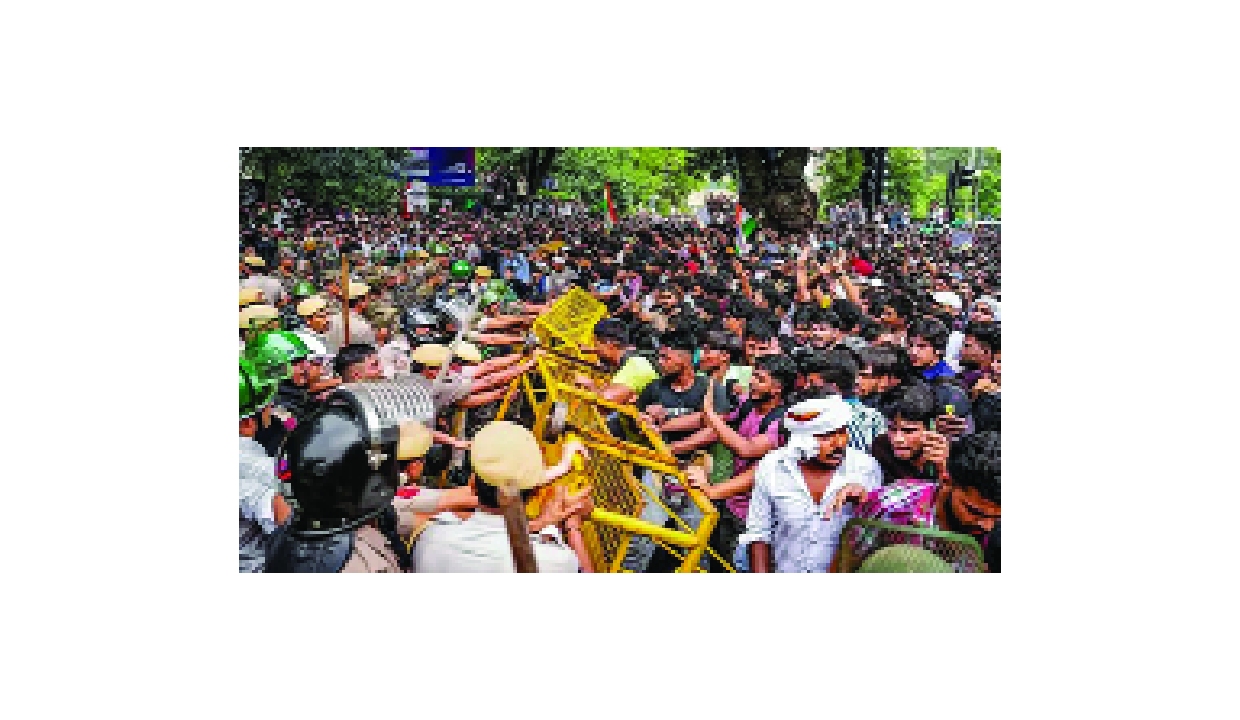
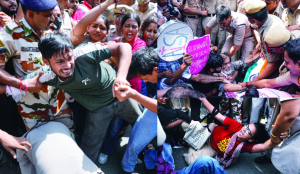
A group of retired police officers on Friday defended the Delhi Police’s handling of the July 20 ‘Chalo Sansad’ march, arguing that public discourse surrounding the violence has focused disproportionately on allegations of police excesses while overlooking injuries sustained by security personnel.
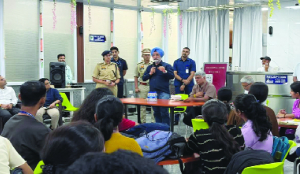
Addressing a press conference at the Press Club of India, members of the Delhi Police Retired Non-Gazetted Officers’ Association expressed solidarity with serving personnel and their families, saying the force was being unfairly portrayed despite operating under challenging law-and-order circumstances.
Former Uttar Pradesh Director General of Police and Rajya Sabha MP Brij Lal said criticism of the police overshadowed the fact that 128 police personnel were injured during the clashes. “In nearly 38 years of service, I have handled numerous law-and-order situations. Everybody is questioning what the police did, but nobody is asking who assaulted the 128 police personnel. Discussions rarely mention police training, the standard operating procedures or the sequence in which force is used,” he said.
Explaining police crowd-control procedures, Lal said personnel are trained to follow a graded response while dealing with violent demonstrations. According to him, police first deploy water cannons, followed by tear gas, before resorting to a baton charge if the situation escalates. Even during a lathi charge, he said, personnel are instructed not to strike vital parts of the body, with non-lethal weapons forming part of the force’s standard operating procedures.
Lal also defended the use of pellet guns, saying they had been unfairly criticised despite being introduced as a non-lethal alternative to reduce casualties. Describing a pellet gun as a 12-bore shotgun, he said it was intended to minimise the need for firearms and added that the Supreme Court had upheld the legality of such crowd-control measures.
The retired officers maintained that while peaceful protests are a democratic right, policing violent demonstrations presents practical challenges. They questioned how officers deployed on the ground could distinguish between genuine student protesters and “criminal elements” once violence breaks out.
Retired Assistant Commissioner of Police Rajender Pathania, who spent his entire career with the Delhi Police, appealed to young people to recognise the role played by the force in maintaining public order. “Police personnel are not fragile, but they deserve greater public understanding,” he said, adding that the sacrifices made by serving officers often go unrecognised.
The association also pointed out that serving police personnel are bound by service conduct rules and cannot publicly defend themselves or respond to criticism, leaving retired officers to present what they described as the force’s perspective.
The press conference comes amid continuing debate over the police response to the July 20 march to Parliament, during which clashes between protesters and security personnel left several people, including police personnel, injured.