EU leaders meet to counter pressure from Russia, China, Trump
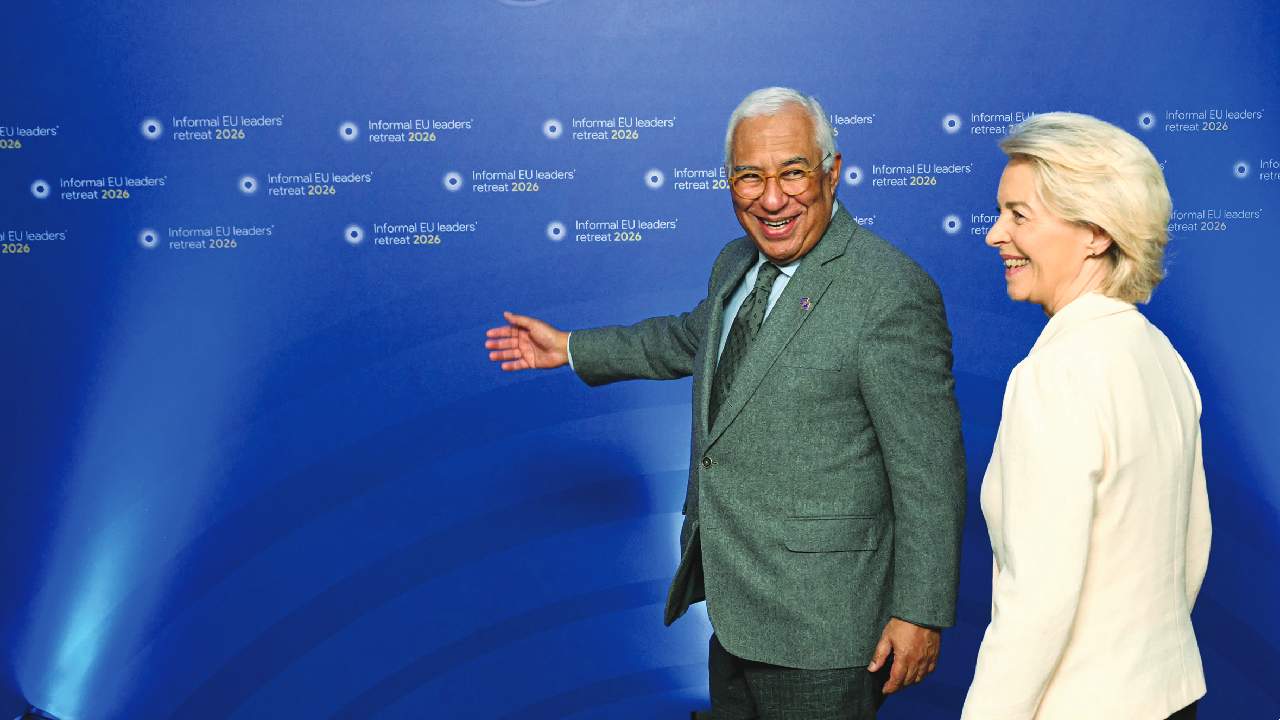
Leaders from across the European Union are meeting Thursday in a Belgian castle as the 27-nation bloc faces antagonism from US President Donald Trump, strong-arm economic tactics from China and hybrid threats from Russia — challenges that have prompted a rethink of Europe’s approach to diplomacy and trade.
“We all know we must change course, and we all know the direction,” Belgian Prime Minister Bart De Wever told a meeting with some European leaders on Wednesday. “Yet it sometimes feels like we’re standing on the bridge of the ship staring at the horizon without being able to touch the helm.”
But there are competing visions of how the EU must change. Thursday’s meeting is to shape proposals for another summit in late March. As leaders are set to walk across a drawbridge to the 16th-century Alden Biesen castle, the fault lines in the battle for Europe’s future are becoming clear. German Chancellor Friedrich Merz and Italian Prime Minister Giorgia Meloni lead a wing of the bloc calling for deregulation, rebooting Europe’s relationship with Washington and forging trade deals like the recent one struck with the Mercosur nations of South America.
“We must deregulate every sector,” Merz said Wednesday. But they are at odds with France. One key issue is how much of the EU’s defence spending should be restricted to buying from EU arms companies. French President Emmanuel Macron argues that EU companies should get priority, while Merz and Meloni say purchases should be from both foreign and European firms. Macron has urged the EU to protect its industries overall via applying “European preference” in key sectors like cleantech, chemicals, steel, the car industry and defence.
“We need to protect our industry. The Chinese do it, the Americans do it too,” Macron said in an interview with several newspapers including Le Monde and The Financial Times published on Tuesday. Without some European preference on strategic sectors, “Europeans will be swept aside. This is defensive, but it is essential, because we are facing unfair competitors who no longer respect the rules of the World Trade Organisation,” Macron said. European Council President Antonio Costa greets European Commission President Ursula von der Leyen in Belgium.