Energy crisis: India flags concerns at UK-led talks
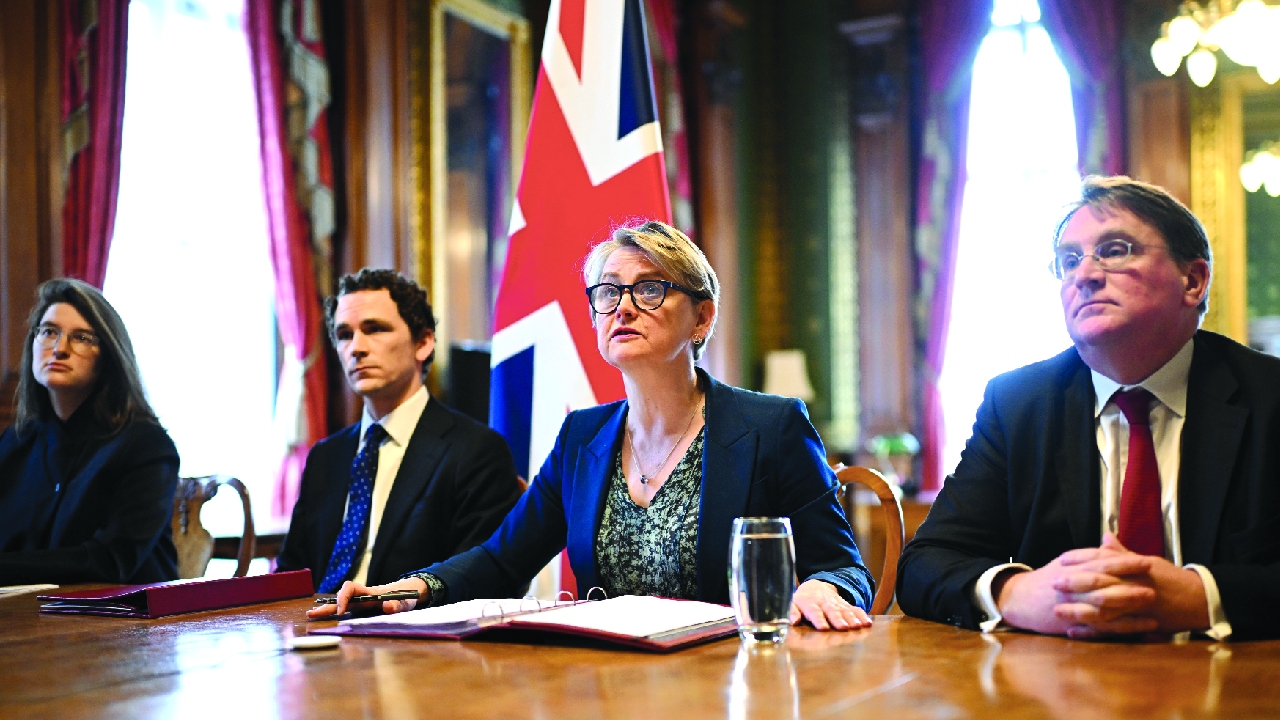
India underlined the need for safeguarding freedom of navigation and ensuring stability in global energy routes as it participated in a UK-convened meeting on the evolving situation in West Asia. The high-level virtual meeting, chaired by British Foreign Secretary Yvette Cooper, saw participation from more than 60 countries amid growing concerns over disruptions in the Strait of Hormuz.
Representing India, Foreign Secretary Vikram Misri emphasised the importance of maintaining unimpeded transit through international waterways, noting that the ongoing crisis has significant implications for India’s energy security. He highlighted that India remains the only country to have lost mariners in recent attacks on merchant vessels in the Gulf region, underscoring the seriousness of the situation.
The meeting comes as part of broader international efforts to address the closure of the Strait of Hormuz, a vital maritime corridor through which nearly a fifth of the world’s oil supply passes. The disruption, triggered after Iran shut the waterway following US-Israeli strikes earlier this year, has led to a sharp surge in global oil prices and heightened economic uncertainty. India reiterated that de-escalation and a return to diplomacy remain the only viable path forward. Misri called for dialogue among all stakeholders to restore stability in the region and ensure the safety of commercial shipping routes.
Earlier, the Ministry of External Affairs had confirmed India’s participation in a separate UK-led initiative involving around 35 countries aimed at exploring options to reopen the Strait. The discussions include key global players such as France, Germany, Italy, Canada and the United Arab Emirates, although the United States is not participating.
The initiative follows remarks by US President Donald Trump urging countries dependent on the Strait to take responsibility for securing it. British Prime Minister Keir Starmer has said the efforts will focus on diplomatic and political measures, alongside exploring practical mechanisms such as mine clearance and protection of oil tankers.
The outcome of these deliberations is expected to shape coordinated global action to restore maritime security and stabilise energy markets.
Earlier, Iran continues to strike Israel and Gulf countries: Iran responded defiantly to Trump’s speech, in which the American president claimed US military action had been so decisive that “one of the most powerful countries” is “really no longer a threat”.
A spokesman for Iran’s military, Lt. Col. Ebrahim Zolfaghari, insisted Thursday that Tehran maintains hidden stockpiles of arms, munitions and production facilities. He said facilities targeted so far by US strikes are “insignificant”.
Just before Trump began his address — in which he said US “core strategic objectives are nearing completion” — explosions were heard in Dubai as air defences worked to intercept an Iranian missile barrage.
Less than a half-hour after the president was done, Israel said its military was also working to intercept incoming missiles. Sirens sounded in Bahrain, home to the US Navy’s 5th Fleet, immediately after the speech.
Attacks continued across Iran on Thursday, with strikes reported in multiple cities.
In Lebanon — home to Iran-backed Hezbollah militants who are fighting Israel, which has launched a ground invasion — an Israeli strike killed four people in the south, the Health Ministry said.
More than 1,900 people have been killed in Iran during the war, while 19 have been reported dead in Israel. More than two dozen people have died in Gulf states and the occupied West Bank, while 13 US service members have been killed.
More than 1,200 people have been killed and more than 1 million displaced in Lebanon. Ten Israeli soldiers have also died there.