Draft EV policy offers up to Rs 1 lakh scrapping incentive on purchasing new electric car
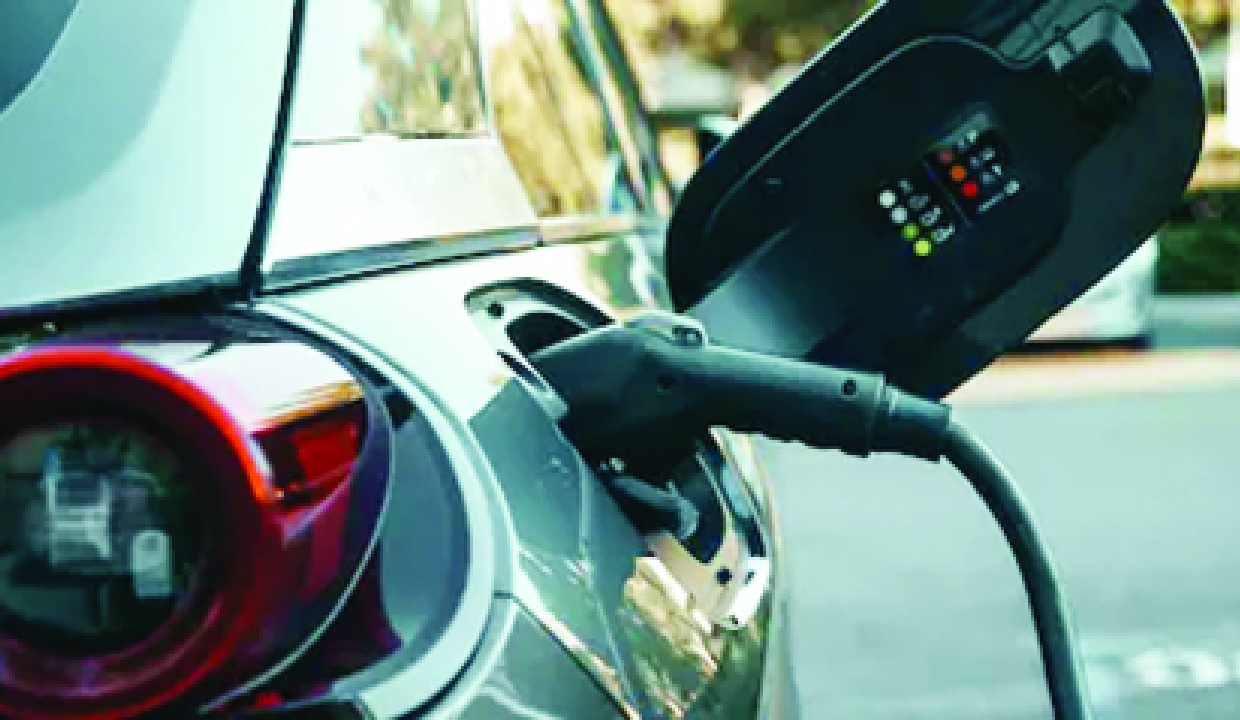
Residents of Delhi will get up to Rs 1 lakh as a scrapping incentive on purchasing a new electric car in exchange for scrapping their old BS-IV and below vehicles, under the draft EV policy released by the city government.
According to the draft Delhi Electric Vehicle Policy 2026-2030, the incentive will be applicable if the purchase is made within six months of issuance of the Certificate of Deposit (CoD) from an authorised scrapping facility.
It stated that a scrapping incentive of Rs 1,00,000 will be provided for the purchase of a new electric car, subject to an ex-factory price not exceeding Rs 30 lakh.
The benefit will be available for the scrapping of Delhi-registered BS-IV and below cars and will be limited to the first 1,00,000 eligible applicants under the policy.
For electric four-wheeler goods carriers (N1 trucks), the policy proposes a scrapping incentive of Rs 50,000 under similar conditions, including scrapping of BS-IV and older vehicles and purchase within six months of CoD issuance. In the two-wheeler segment, a scrapping incentive of Rs 10,000 has been proposed for those purchasing a new electric vehicle after scrapping Delhi-registered BS-IV and below two-wheelers.
Similarly, buyers of electric three-wheelers (L5M) will be eligible for a scrapping incentive of Rs 25,000 under the same conditions.
The draft stated that all scrapping incentives will be disbursed through direct benefit transfer to individuals, who will have to apply for subsidy claims through a mechanism notified by the Transport Department.
No New Petrol, Diesel Vehicles for Aggregators from This Year
New Delhi: Petrol and diesel vehicles will no longer be added to delivery and ride aggregator fleets in Delhi from this year, while only electric auto-rickshaws will be allowed new registrations from 2027, according to the draft Electric Vehicle policy 2026 released by the city Government.
The draft Delhi Electric Vehicle Policy 2026-2030 proposes, “No conventional internal combustion engine (ICE) vehicles running purely on petrol or diesel shall be inducted into existing fleets of two-wheelers and light goods vehicles operated by aggregators and delivery service providers from January 1 this year.”
However, induction of BS-VI emission standard two-wheelers will be permitted in aggregator fleets till December 31, 2026, after which a complete shift to electric vehicles will be mandatory.
The policy also outlines incentives for electric three-wheelers, including auto-rickshaws, with financial support of Rs 50,000 in the first year from the date of notification of the new policy, Rs 40,000 in the second year, and Rs 30,000 in the third year, to promote EV adoption.
The incentive will be applicable to the replacement of old CNG auto-rickshaws as well as new auto-rickshaws registered in Delhi. In a parallel move targeting the public transport segment, the draft stated that from January 1, 2027, only electric three-wheelers, including auto-rickshaws, will be permitted for new registrations in the capital. The provisions are part of a broader push to prioritise high-usage vehicle segments such as two-wheelers, three-wheelers and goods carriers, which contribute significantly to vehicular emissions due to extensive daily operations.