DJB launches door-to-door e-KYC drive to revamp water bills
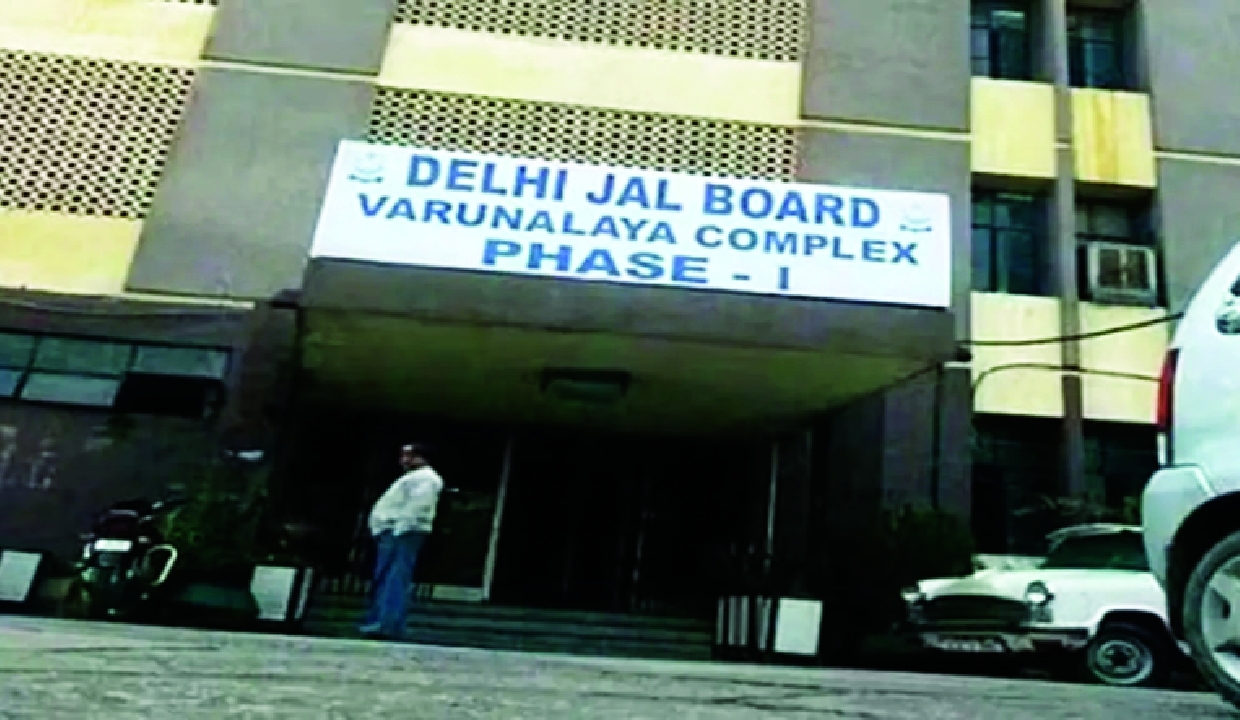
The Delhi Jal Board (DJB) has launched its door-to-door e-KYC drive across the city to revamp its water bill management system, identify genuine customers, reduce water loss and create a digital ID, officials said on Tuesday.
“Our effort is to fix these gaps at the ground level and build a system that is accurate, transparent and trustworthy. This will help consumers get digital bills by email and WhatsApp. Many customers complained about not getting proper, timely bills,” an official said.
By tightening its billing systems, the DJB aims to ensure location accuracy and eliminate duplicate or incorrect premises from its records.
“Check the authorised ID of the metre reader; do not pay. DJB field agents are strictly not authorised to collect cash or any other gifts. Never share original documents,” the civic body said in the public notice.
The DJB currently has around 30 lakh registered consumers. However, only 40 per cent of them receive proper water bills. The drive will help in reducing illegal connections, which will help in revenue generation.
According to the officials, an authorised field agent will visit each house and take pictures of the metre and update the GPS coordinates, after which the digital record will be updated on the Revenue Management System (RMS) of the DJB and will be verified with a one-time password (OTP) on the registered mobile number.
Water Minister Parvesh Verma had earlier said that water billing has become a major source of distress for households. The board has approved a digital database update drive covering nearly 35 lakh consumers. The project was approved in April this year by the Delhi Government.
“The existing scale of operations, legacy processes, manual interventions and fragmented field operations have resulted in challenges related to billing accuracy, consumer data quality, service transparency and revenue efficiency,” an official said.
Currently, the DJB reports nearly 50 per cent non-revenue water (NRW). This means more than half of the water supplied does not generate revenue, either due to leakages, theft, or unbilled usage. Officials believe that formalising water usage through the registration process could significantly help in reducing these losses.