Delhi’s CJP Clash: spontaneous outrage or scripted escalation?
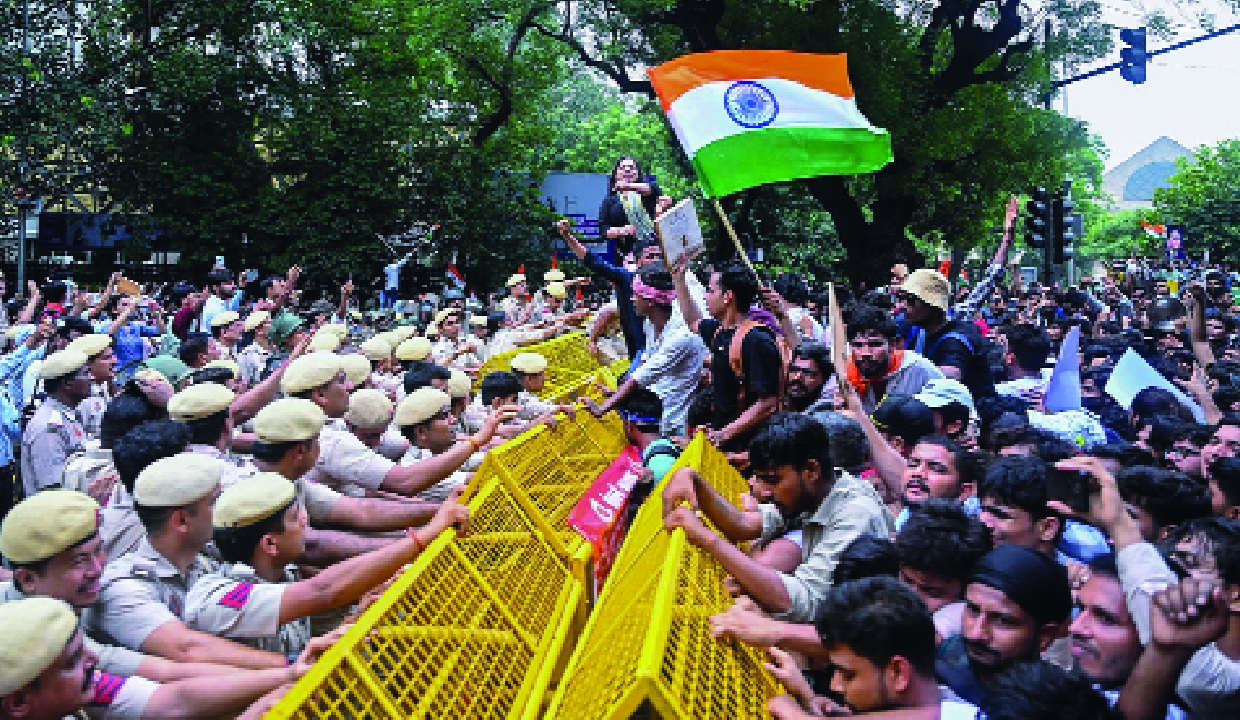
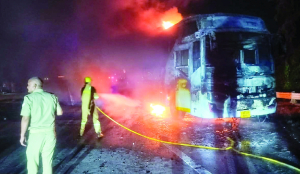
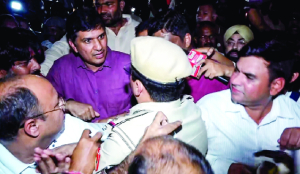
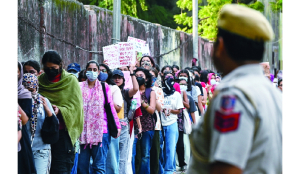
Delhi Police are investigating the violence that erupted during the Cockroach Janta Party’s (CJP) “Sansad Chalo” march on July 20, looking into possible coordination and outside involvement. The protest began as a youth sit-in at Jantar Mantar over alleged NEET paper leaks and calls for Education Minister Dharmendra Pradhan to resign but soon turned into clashes near Parliament Street, Rail Bhawan, and nearby areas.
Both protesters and police reported many injuries, with official figures showing over 60 students and more than 100 security personnel hurt.
There are now about 13 to 15 FIRs, covering charges like unlawful assembly, rioting, assault on public servants, property damage, and in some cases, attempted murder.
Delhi Police believe the unrest may have been planned rather than just a spontaneous reaction. About 20 teams are reviewing digital evidence, including CCTV and drone footage, body-camera videos, mobile location data, call records, encrypted chats, WhatsApp groups, social media posts, and financial transactions. With facial recognition, police identified nearly 2,900 people with criminal records at or near the protest sites between 20 and 25 July, some of whom are linked to serious crimes. Investigators say several of these individuals returned to the protest more than once.
Officers say early evidence suggests there were organised groups within the mostly spontaneous crowd. WhatsApp groups reportedly shared advice on what to bring, such as pepper spray, how to deal with being detained, and legal contacts.
Police say the march toward Parliament continued despite warnings about stampede risks and prohibitory orders. The number of FIRs has increased from about 10. These FIRs name the CJP as an organisation and include charges such as unlawful assembly, rioting, assault on public servants, mischief, and in some cases, attempted murder and criminal conspiracy under the Bharatiya Nyaya Sanhita. Part of the investigation has been handed over to the Crime Branch and Special Cell to look into possible infiltration and coordination.
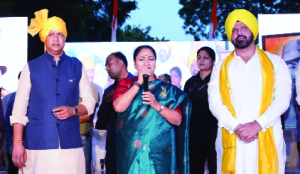
Investigators are also checking if political parties and student groups were involved in the escalation. One FIR mentions events from the CJP’s formation in mid-May and speeches by AAP leaders as signs of “pre-planned and coordinated planning,” possibly involving several people and a political group. Reports say about 20 organisations are under investigation, which matches the scale of the digital probe. However, public information mainly refers to political figures, social media influencers, and alleged anti-social elements, rather than naming 20 specific groups.
Facial recognition systems used at the protest site identified nearly 2,900 people with prior criminal records who were present between 20 and 25 July. About 989 of them had records for serious offences like murder, attempted murder, robbery, sexual offences, and arms violations.
Police say some of these people returned to the site more than once. Part of the investigation has been given to the Crime Branch and Special Cell to look into possible infiltration by outsiders and anti-social elements.
Nearly 20 organisations, including student groups and political parties, are being investigated for their alleged roles in organising the protest. One FIR mentions speeches by AAP leaders and describes the events as signs of coordinated planning involving political actors. Police are also examining how social media may have amplified the unrest and have identified about 480 Pakistan-based accounts that spread misinformation and deepfakes related to the protests.
Courts have given careful instructions. The Delhi High Court ordered that all relevant CCTV, drone, body-camera, and electronic records be preserved and asked for responses to claims of police excess. The Supreme Court ordered the release of detained minors and protesters without criminal records, stopped coercive actions against peaceful students for now, and allowed investigations of existing FIRs to continue, especially for those with prior records.
The investigation is ongoing, matching digital timelines with field intelligence and witness statements. Police stress that any action will be based on solid evidence. The focus on digital records, organisational roles, and financial movements will shape the formal charges that come next.