Delhi witnesses surge in solar rooftop installations
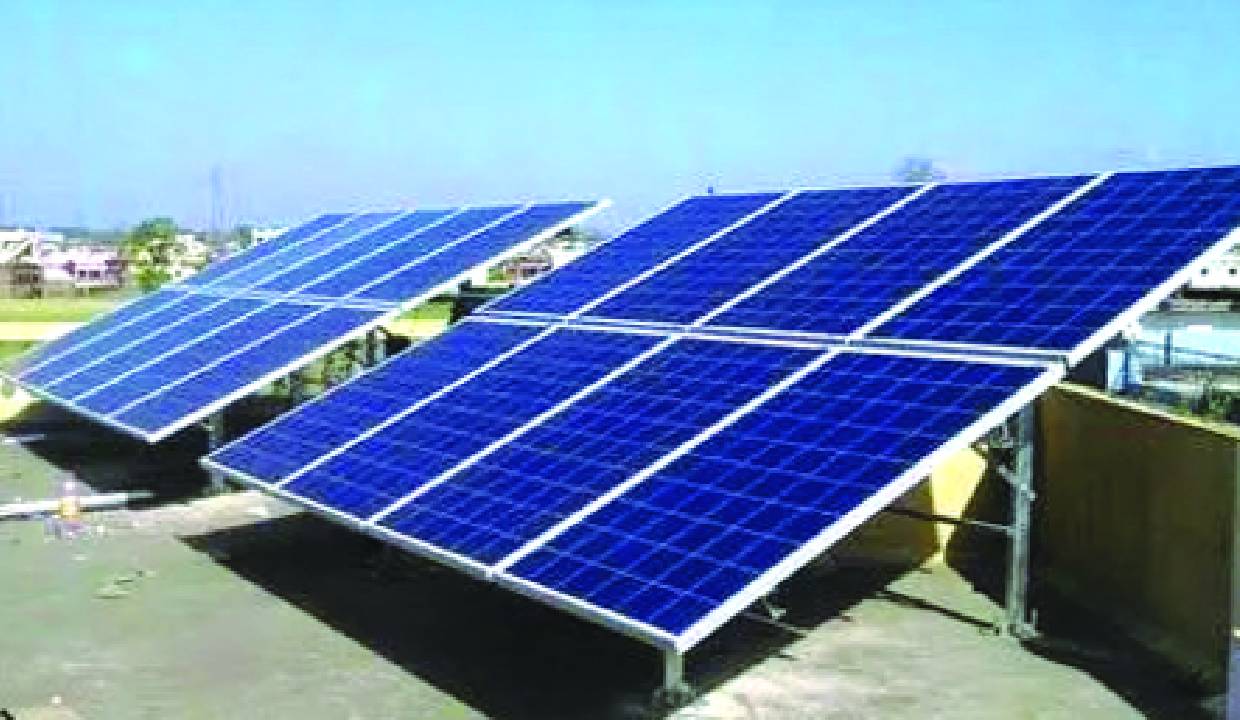
The number of rooftop solar installations is surging in the national capital, with the power discoms energising over 23,000 connections in residential, commercial, industrial and other categories.
BSES discoms — BRPL and BYPL — have together energised more than 13,600 rooftop connections with a total load of around 260 MWp (megawatt peak load). In 2025-26 alone, more than 4,600 rooftop connections, including over 26 under the PM Surya Ghar scheme, were energised by the discom, said a BSES spokesperson.
Tata Power Delhi Distribution Limited (TPDDL), which covers around 28 per cent of the total distribution area in the city, has so far registered over 18,000 households under its flagship project ‘Suryansh’ and energised a record 4,011 connections in the previous year, which is the highest annual addition so far, said a company statement.
Discom officials said transformative Government schemes and growing interest are leading to the surge in rooftop solar adoption in Delhi.
The consumers can avail a total subsidy of up to `1.08 lakh, including `78,000 from the Centre and `30,000 from the Delhi Government, and also earn generation-based incentives under the existing policies.
The BSES spokesperson said that for a typical household, a 5 KW rooftop system can potentially deliver savings of `3,500 or more per month, depending on consumption levels and tariff slab.
The surplus solar power is sold to the discoms at Delhi Electricity Regulatory Commission (DERC) determined rates.
“A major catalyst behind the sharp rise in solar rooftops has been the central Government’s PM Surya Ghar: Muft Bijli Yojana, which, along with Delhi Solar Policy, has significantly improved affordability for residential consumers,” he said.
Discom data showed that the residential category leads in the number of rooftop solar connections. The BSES discoms have a total of 9,888 residential installations, followed by commercial establishments (2,184), educational institutions (1,009), others (342) and industrial consumers (207).