Delhi orders CAG audit of discoms over RAs
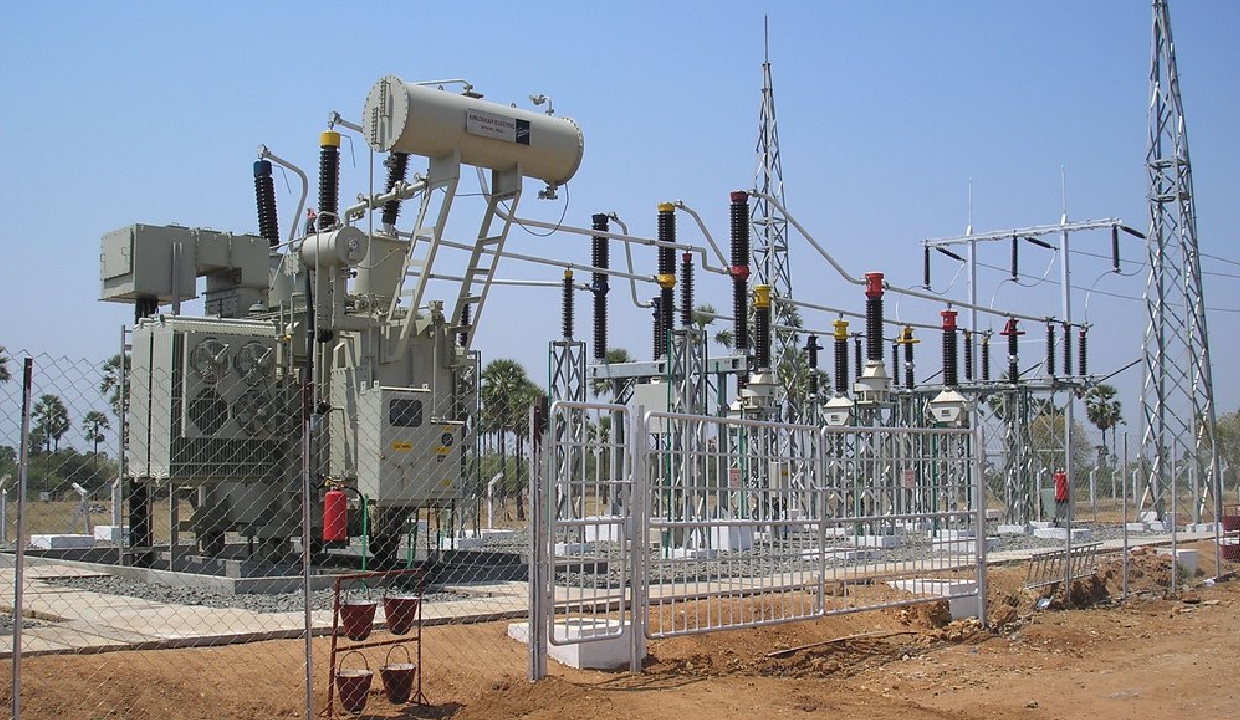
The Delhi Government has ordered an audit by the Comptroller and Auditor General (CAG) into the circumstances under which the power distribution companies (discoms) in the Capital accumulated Rs 38,500 crore as Regulatory Assets (RA), which are to be recovered from consumers.
The order, issued by the Delhi Government’s Department of Power, authorises the CAG to conduct the audit of BSES Rajdhani Power Ltd (BRPL), BSES Yamuna Power Ltd (BYPL) and Tata Power Delhi Distribution Ltd (TPDDL). The order has been approved by Lt Governor of Delhi and follows directions of the Supreme Court
Unless the discoms seek legal remedy, this will be the first time that they will face a CAG audit since the privatisation of electricity distribution in Delhi in 2002. An earlier attempt at a CAG audit of discoms by the then AAP Government was thwarted by the Delhi High Court in 2015.
“This CAG audit will bring out the facts. It is a victory for every electricity consumer and every honest taxpayer of Delhi,” said Delhi’s Power Minister Ashish Sood.
RAs refer to deferred expenses borne by the discoms out of changes in fuel costs. These are determined as the gap between the average cost of supply by the discoms and the revenue collected by them through tariffs and subsidies.
According to the Delhi Electricity Regulatory Commission (DERC) filing before the Appellate Tribunal for Electricity, the outstanding RA amount includes Rs 19,174 crore for BRPL, Rs 12,333 crore for BYPL, and Rs 7,046 crore for TPDDL.
Commenting on the order, a BRPL spokesperson said, “The question of a CAG audit of the Delhi discoms is currently sub judice before the courts. As the matter is under judicial consideration, it would not be appropriate to comment further”. No reaction was available from other discoms.
The Government said the decision follows directions of the Supreme Court in its August 6, 2025 judgment, which called for a strict and intensive audit of the circumstances in which the discoms continued operations without recovery of regulatory assets.