Delhi court frames MCOCA charges against Sukesh Chandrasekhar
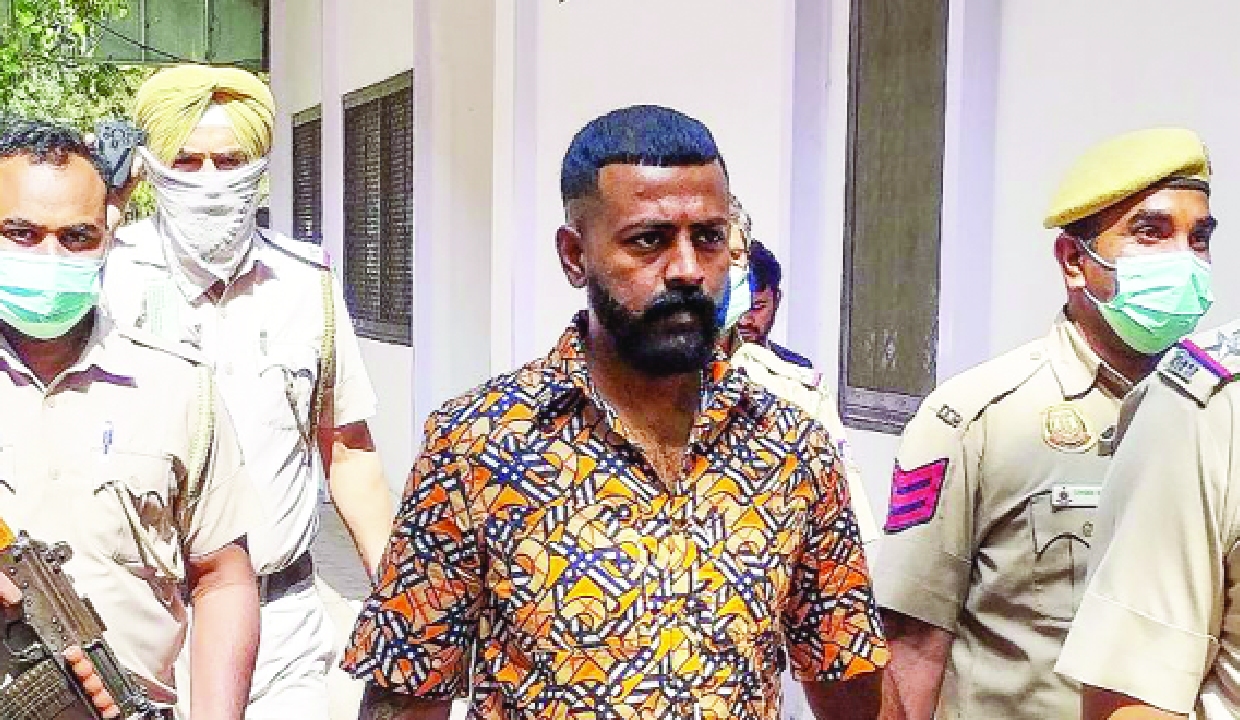
A Delhi court has framed charges against conman Sukash Chandrasekhar, his wife Leena Paulose, and 19 other accused persons in the Rs 217 crore extortion case, invoking the Maharashtra Control of Organised Crime Act against all 21 accused. The development comes in the case that had drawn national attention after Bollywood actress Jacqueline Fernandez was named in a related money laundering investigation by the Enforcement Directorate for allegedly receiving expensive gifts purchased from the proceeds of the crime.
Special Judge Prashant Sharma of the MCOCA Court at Patiala House Courts, New Delhi, framed charges on May 30, 2026, under multiple sections of the Indian Penal Code covering cheating, extortion, forgery, criminal conspiracy, and impersonation, along with Section 66 of the Information Technology Act and Sections 3 and 4 of MCOCA. The case pertains to FIR No. 208/2021 registered at PS Special Cell and subsequently investigated by Delhi Police’s Economic Offences Wing.
Additional Commissioner of Police, Economic Offences Wing, Ravi Kumar Singh, described the development as a landmark moment in a four-year investigation. “The framing of charges under MCOCA in this highly significant and complex case marks a major milestone and reflects the strength of the evidence collected during the investigation,” Singh said.
Chandrasekhar ran his illegal extortion business from Tihar Jail in connivance with jail officials. Impersonating himself as a senior government officials including the Union Home Secretary, Union Law Secretary, and officers from the Prime Minister’s Office, he contacted Aditi Singh, wife of former Ranbaxy promoter Shivinder Mohan Singh, and extorted more than Rs 200 crore from her over a period of one year on the pretext of a contribution to party funds.
The EOW filed a chargesheet naming 14 accused, including Chandrasekhar and his wife Leena Maria Paul, in 2021, with charges under IPC provisions and MCOCA. The accused allegedly used hawala routes and shell companies to park money earned from the proceeds of crime.
The case widened significantly when the Enforcement Directorate named actress Jacqueline Fernandez in a supplementary chargesheet in connection with money laundering linked to the same extortion proceeds.
The ED alleged that despite being fully aware of Chandrasekhar’s criminal history and that he was lodged in Tihar Jail, Fernandez was knowingly involved in the process by using or enjoying the proceeds of crime through valuable gifts. The ED attached fixed deposits worth Rs 7.2 crore belonging to Fernandez, terming them as proceeds of crime. Fernandez has maintained that she was a victim of the conspiracy.
The investigation unearthed substantial evidence, including witness statements, confessional statements recorded under MCOCA, electronic evidence, voice recordings, forensic reports, call detail records, mobile phones used in the offences, hawala transaction trails, and luxury vehicles and other assets allegedly acquired from crime proceeds.
The framing of MCOCA charges is legally significant. The Act, designed to target organised crime syndicates, carries stringent provisions and establishes that the prosecution is prepared to prove not just individual fraud but the existence of a structured criminal enterprise operating across multiple states. The trial will now proceed to the examination of evidence. Chandrasekhar remains in judicial custody.