Curriculum shift: CBSE mandates 3 languages for Class 9 from July 1
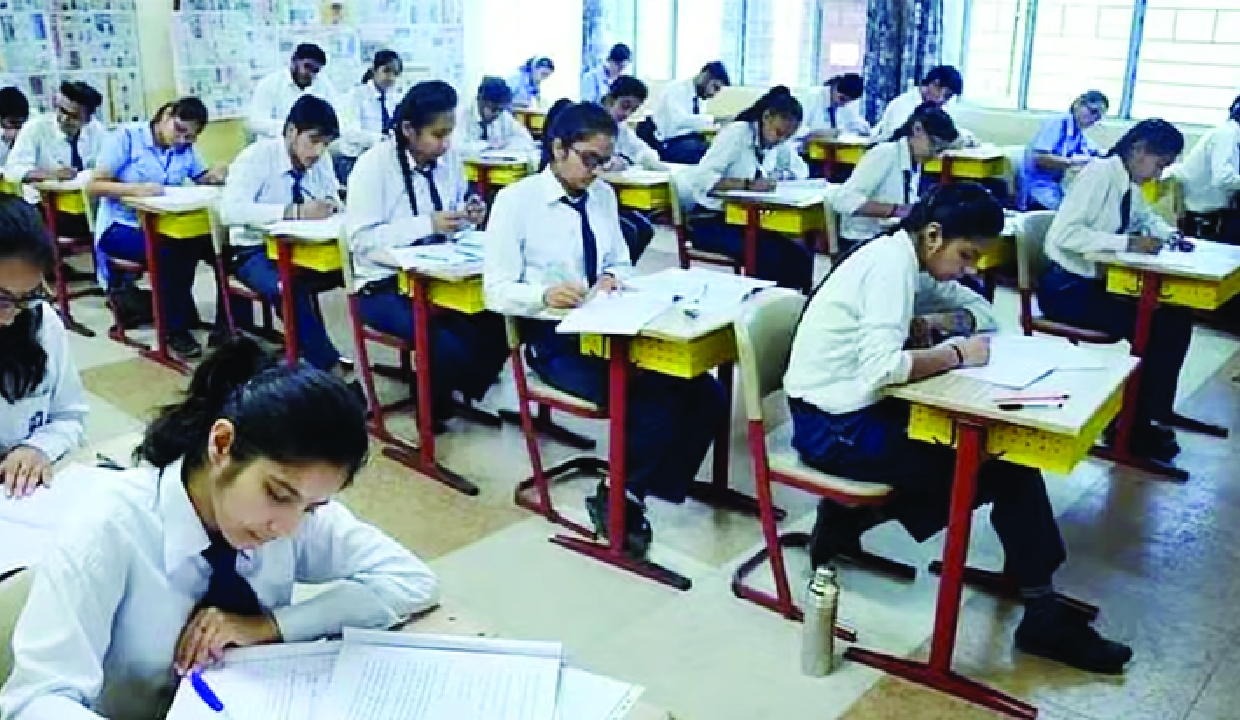
In a major policy shift, the Central Board of Secondary Education (CBSE) on Saturday announced a major curriculum revision. Starting July 1, 2026, all students entering Class 9 in affiliated schools must study three languages. This requirement aligns with the National Education Policy (NEP) 2020 and the National Curriculum Framework for School Education (NCFSE) 2023. Languages are categorised as R1 (primary), R2 (second), and R3 (third), with at least two being native Indian languages. English may be included, but the focus remains on promoting linguistic diversity and cultural rootedness.
This initiative extends a phased rollout that commenced with Class 6 earlier in 2026. For the current Class 9 cohort, CBSE has. This initiative builds on a phased rollout that began with Class 6 earlier in 2026. For the current Class 9 cohort, CBSE has adopted a transitional approach to accelerate implementation while minimising disruption.
Schools will offer R3 language options based on resources and student interest, including regional languages such as Tamil, Bengali, Urdu, and Kannada, as well as other approved languages. Foreign languages like French or German may still be offered, but cannot replace the required Indian language.
Schools must update their language offerings on the OASIS portal and ensure textbooks are available, using NCERT materials where possible or State board equivalents until full NCERT versions are available. Assessment will be conducted entirely by the school, and marks will be reflected on the final certificate.
This approach supports holistic development without increasing pressure on board examinations. Students who perform well in internal assessments may still participate in the Class 10 board examinations. Additionally, Children with Special Needs (CwSN) remain exempt from second- and third-language requirements, ensuring inclusivity.
Overseas CBSE schools and returning students from abroad may also be granted flexibility in language selection. Education experts view the policy as an important step toward the NEP’s goal of multilingual proficiency. Research shows that learning multiple languages enhances cognitive skills, problem-solving, and cultural empathy.
By requiring at least two Indian languages, CBSE seeks to promote national integration and preserve linguistic heritage.
A senior CBSE official stated that this initiative will prepare students for a global future while maintaining cultural roots. However, challenges remain. Many schools, especially in urban areas, may face shortages of qualified regional language teachers. Parents are concerned about the increased academic workload for Class 9 students, who already manage dual-level Mathematics and Science.
Some also worry about reduced access to foreign-language electives, which are important for studying abroad. Schools have been directed to hold parent-teacher meetings and provide support for students moving from two-language streams. The policy highlights CBSE’s commitment to competency-based, experiential learning over rote examination.
The success of the 2026-27 session will depend on effective teacher training and sufficient resources. For many students, this reform marks a shift from exam-focused education to a balanced, multilingual approach that values both academic achievement and cultural identity. The coming months will determine the policy’s effectiveness.
- Languages are categorised as R1 (primary), R2 (second), and R3 (third), with at least two being native Indian languages
- English may be included, but the focus remains on promoting linguistic diversity and cultural rootedness