Crochet sheds its past
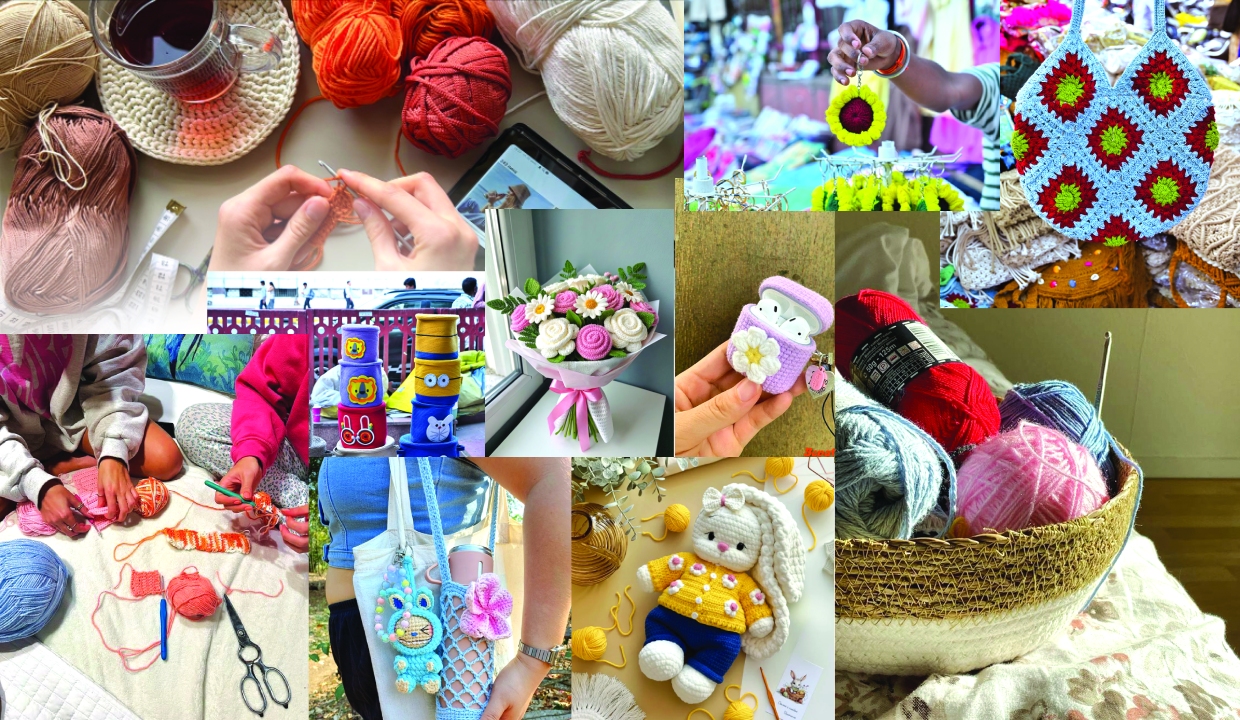
Crochet feels like a living heirloom. Once a quiet domestic ritual, this handmade craft now boldly commands modern runways and bustling markets
Is crochet still in vogue? It is a question that sounds almost absurd when you picture the steady click of metal hooks defining the lazy afternoons of our childhoods. We all share memories of watching our nanis or mothers loop brightly colored yarn into patterns, often dismissing it as a quiet domestic routine. But look where we are now. That exact old school habit has somehow landed right in the middle of high fashion. We are way past those chunky, overly bright festival looks from the seventies. This new wave of the craft is wonderfully clean and surprisingly sharp, bringing a subtle, unforced elegance to daily outfits. Anyone watching those stunning woven designs dominate Balmain’s Spring Summer 2026 runway can immediately see exactly how far the aesthetic has evolved. The intricate threadwork proved a cultural shift where luxury is no longer about factory perfected monotony. It is an active craving for the raw, irregular touch of human hands.
You see this exact same change happening right here on the crowded streets of New Delhi. It is popping up all over Janpath market, Dilli Haat, sitting perfectly inside the boutique shops of Shahpur Jat, and taking over practically every online store you scroll through. Inside shop 80B at Janpath Market, Siddharth Saini handles these threads with a grounded reality. He notes that the pieces filling his shop begin simply as raw, natural raffia. Artisans crochet this fiber entirely by hand, slowly working the material into the structured totes, everyday slings, and delicate clutches on display.
“Crochet is different, crochet is hand,” Saini says about pieces that take his sources a day or two to complete. He has sustained this business for eight years, leaning on a loyal clientele. To hear him speak is to understand the fragile survival of artistic communities. We routinely witness the forced silence of traditional masters, leaving brilliant creators with zero stage left to stand on. But Saini’s steady sales reveal a deeper truth. People are exhausted by the soullessly uniform. They want a tangible piece of the maker.
That craving crosses over into our homes, where woven throws soften modern architecture. But the most fascinating corner of this revival lives on our screens. Social media artists everywhere are sculpting botanical arrangements from yarn, turning a traditional craft into a digital economy.
“People are buying them in bulk for Valentine’s Day and birthdays now,” notes one creator online. Buyers want the gesture of a flower, but hate watching a costly bouquet wither into trash. This stays. It introduces a beautiful paradox into modern romance. Is the fragile life of a real rose a profound statement of love, or does the hand spun blossom carry more emotional weight? Human affection might fade, but that yarn rose sits on a dresser for decades, untouched by time.
So, we return to where we started. Is crochet still in vogue? Without a doubt, It is everywhere. Look around and you see it woven into everyday life. You spot it dangling as quirky keychains on college backpacks, or in those breezy tops girls wear to Sunday cafes. It’s the sturdy bags you see people carrying on their metro commute, and even those familiar woven mats sitting on our dining tables. We’ve basically dusted off this age-old skill, slapped a ‘vintage’ label on it, and completely reinvented how it fits into our world today. This craft never actually left us. It just quietly changed shape and stayed a permanent part of our culture. Crochet is doing incredibly well, holding onto the threads of our past and weaving them perfectly into the present.
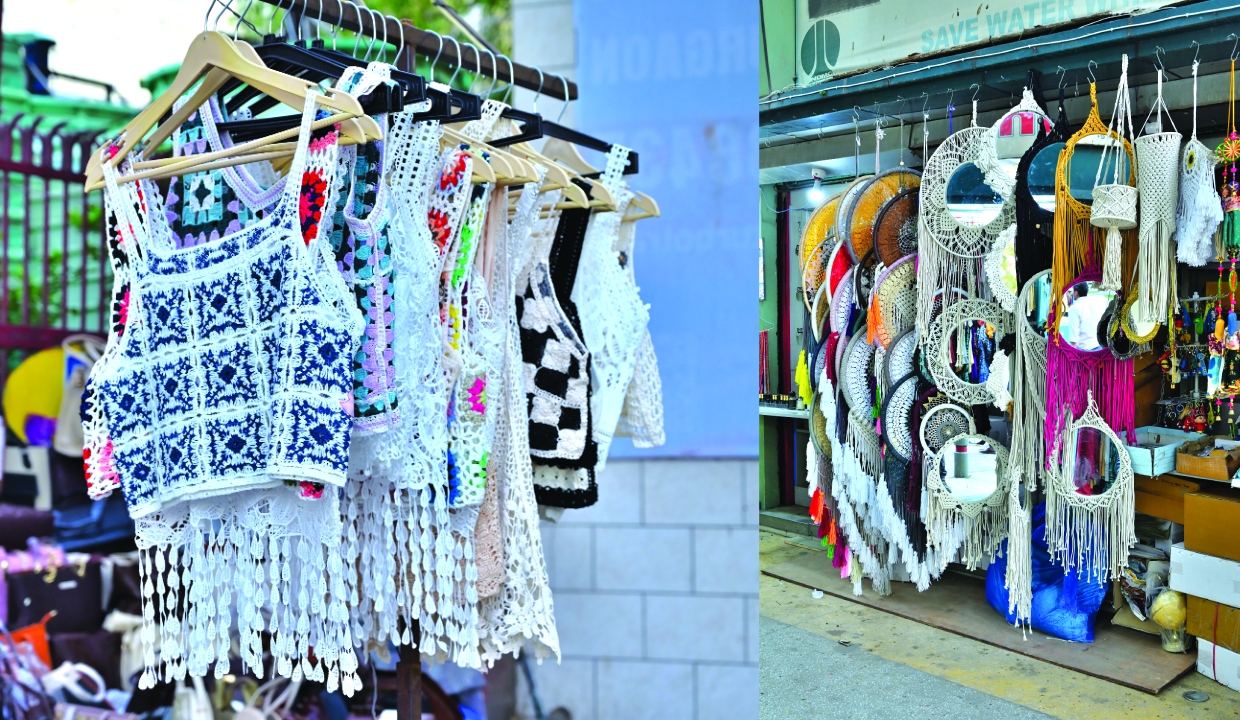
An outdoor rack displays stunning handmade crochet tops. The front piece highlights intricate navy and white geometric patterns, perfectly finished with long, elegant tassels that drape beautifully from the bottom hemline.
A bustling street stall displays an array of bohemian woven crafts. Intricate macrame mirrors with sweeping fringes hang alongside vividly coloured crochet dreamcatchers, highlighting local artistry.