CM Rekha orders five-year audit of liquor retail units
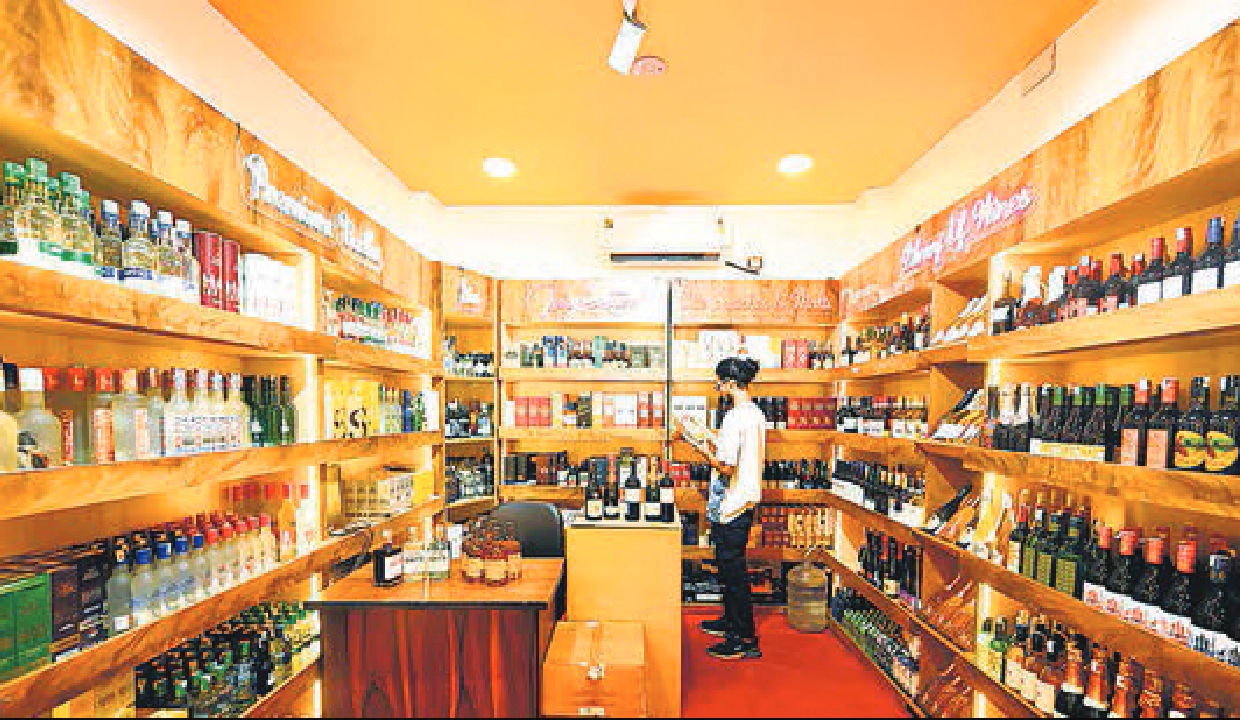
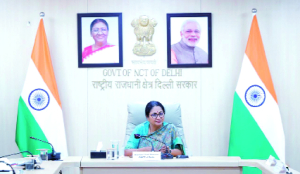
Delhi Chief Minister Rekha Gupta has ordered a detailed audit and cross-verification of the financial records of state-run liquor retail units over the past five years, citing concerns over possible irregularities and unreconciled accounts.
The directive targets Government entities involved in liquor sales across the city and mandates a thorough scrutiny of their financial and operational records. Currently, there are around 810 liquor vends in the Capital.
The excise commissioner has been directed to submit a report to the finance department within two months. “Commissioner (Excise), shall carry out an independent cross-verification of sales, stock, and revenue figures reported by the… societies/corporations…. A comprehensive report shall be submitted by the societies/corporations and the Excise department to the Finance department within two months…” the order said.
Officials said the move follows indications that accounts in some units were not properly reconciled for long periods, raising the risk of discrepancies and potential loss to public funds.
The directive follows cases lodged by the CBI and ED alleging irregularities in the AAP government’s Excise Policy 2021. Following this, the policy was scrapped in 2022. The government had then reverted to the old regime, under which only state-run liquor vends are allowed to operate in the Capital.
The Chief Minister made it clear that accountability will be strictly enforced. “Safeguarding public money is our top priority, and there will be zero tolerance for any lapses,” she said, warning that action will be taken against those found responsible for any irregularities.
Liquor retail operations in Delhi are currently managed by several government bodies, including the Delhi Consumer’s Cooperative Wholesale Store, Delhi Tourism and Transportation Development Corporation, Delhi State Civil Supplies Corporation and Delhi State Industrial and Infrastructure Development Corporation. These agencies operate retail outlets across the city.
Under the new directive, all these entities have been asked to carry out a comprehensive reconciliation of their accounts. The exercise will cover sales, purchases, stock and cash records over the last five years. Each entry is to be verified in detail to ensure accuracy and transparency.
Officials said the audit will not be limited to correcting past records. The government also aims to build a stronger system of financial oversight. This will include stricter monitoring processes and complete validation of accounts to prevent future discrepancies.
To strengthen the process, the Excise Department will play a key role. All concerned agencies have been instructed to coordinate closely with the department during the verification exercise. The Excise Commissioner will independently cross-check data related to sales, inventory and revenue to identify any signs of mismanagement.
The move signals a push for tighter financial discipline in a sector that contributes significantly to the government’s revenue.
Officials said ensuring accurate accounting and preventing leakages is essential for maintaining fiscal stability.
The Chief Minister also stressed that negligence or delays in reconciliation will not be accepted. Departments have been told to treat the exercise as a priority and complete it within a fixed timeline. All agencies have been directed to compile a detailed report after completing the audit. The report must include the status of reconciliation, any discrepancies found and the action taken to address them. These reports are to be submitted to the Finance Department within two months.
Officials said the findings of the audit could lead to further administrative or legal action if irregularities are established. The government is expected to review the reports and take necessary steps based on the outcome.
The Chief Minister expressed confidence that the exercise will strengthen systems and improve efficiency. She said better financial controls will not only prevent losses but also enhance trust in public institutions. The audit is expected to provide a clearer picture of financial practices in state-run liquor retail units and help plug any gaps that may have gone unnoticed over the years.
Delhi’s excise revenue for 2025-26 exceeded Rs 6,300 crore, marking a 10 per cent increase over the previous year. Following this growth, the Excise Department has set a target of Rs 7,200 crore for the next financial year.