China’s ballistic missile launch was a message for the US
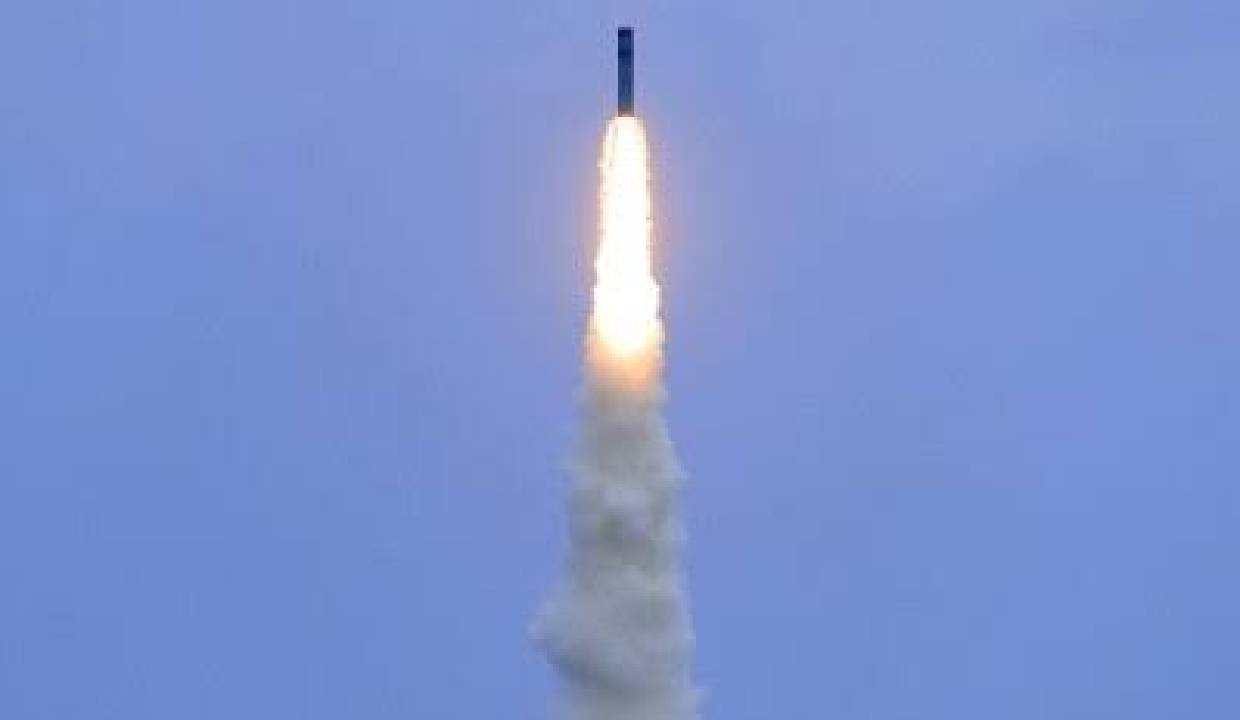
China’s recent test launch of a long-range ballistic missile from a nuclear-powered submarine has triggered concern among the United States and several Indo-Pacific nations, with analysts viewing the exercise as a demonstration of Beijing’s expanding nuclear deterrence capabilities.
The missile was launched into international waters in the South Pacific during what Chinese authorities described as a routine military exercise. The test marked one of the country's rare public demonstrations of a submarine-launched ballistic missile (SLBM), highlighting the growing role of its sea-based nuclear forces.
The United States criticised China for providing only limited advance notice before the launch, while Australia, New Zealand, Japan and several Pacific Island nations also expressed concern over the test and its implications for regional security. Critics said the lack of transparency heightened tensions in the Indo-Pacific.
Security experts believe the missile was likely a JL-2 or the more advanced JL-3 submarine-launched ballistic missile, both designed to strengthen China's second-strike nuclear capability. The launch is widely seen as a strategic signal amid increasing competition between Beijing and Washington.
Pacific nations, many of which have a history of suffering the effects of nuclear weapons testing, voiced unease over the use of the region for strategic military demonstrations. Analysts warned that the incident could further intensify geopolitical competition in the Pacific.
China has defended the launch as being in accordance with international law and not directed at any specific country. However, the test has renewed calls for greater transparency and dialogue on nuclear risk reduction and strategic stability.