China offers pollution playbook to India as Delhi-NCR chokes
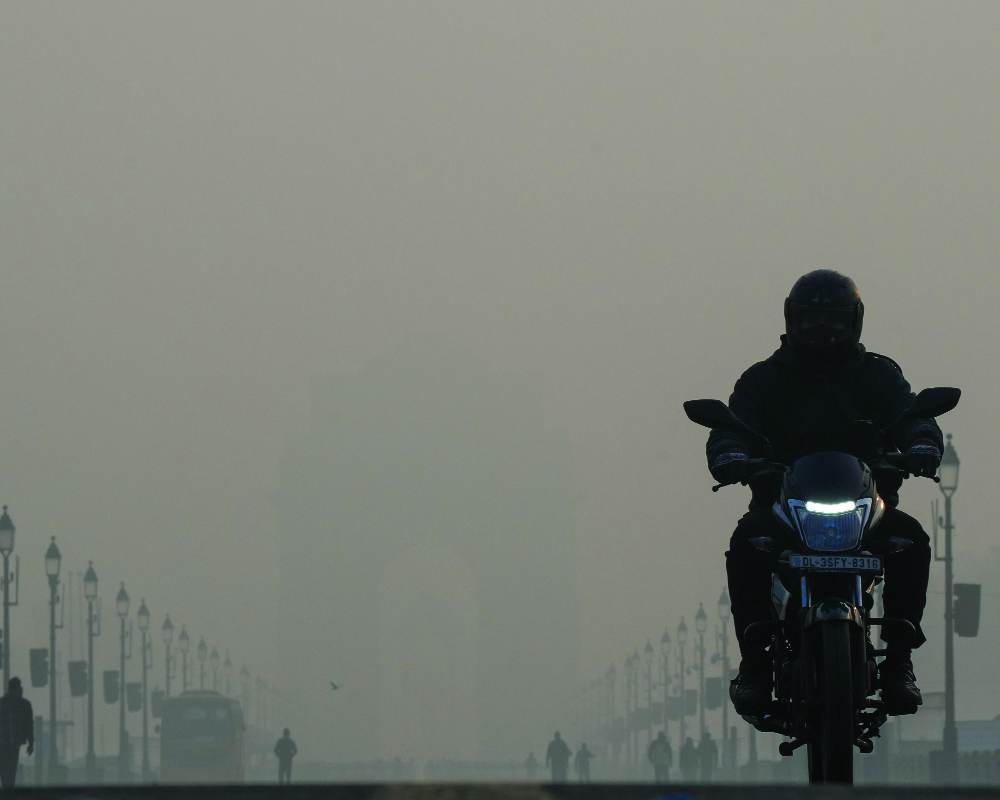
China has stepped into the conversation by outlining how it transformed its own pollution crisis into a measurable success story. On Wednesday, the Chinese Embassy in India shared a detailed, step-by-step framework highlighting the measures Beijing adopted to sharply cut air pollution—steps it suggested could offer lessons for India.
The intervention comes as Delhi’s Air Quality Index (AQI) crossed the severe threshold of 400 last week, forcing authorities to activate the strictest measures under GRAP Stage 4, according to data from the Central Pollution Control Board (CPCB).
China’s experience stands in stark contrast. Once notorious for smog-filled skies, Beijing has recorded dramatic improvements over the past decade. Data cited by the World Economic Forum shows that PM2.5 levels in Beijing fell by nearly two-thirds between 2013 and 2023, while nitrogen dioxide pollution dropped by more than half during the same period.
Chinese Embassy spokesperson Yu Jing, in a post on social media platform X, drew parallels between the two capitals, stating that both countries have faced environmental stress due to rapid urbanisation and industrial growth.
“China and India share the challenge of air pollution,” Jing said, adding that consistent policy enforcement and long-term planning had helped China deliver visible results. She also shared comparative visuals showing Delhi’s AQI at 447 earlier this week, while Beijing recorded a significantly healthier level of 68.
According to the Chinese embassy spokesperson, controlling vehicular pollution formed the backbone of Beijing’s clean air drive. She pointed to the adoption of ultra-stringent emission norms, such as China 6 standards, alongside the systematic removal of ageing, high-emission vehicles from city roads.
Temporary traffic restrictions—similar to Delhi’s odd-even scheme—were also cited as effective short-term tools. However, Jing stressed that sustainable impact came from expanding public transport, strengthening metro and bus networks, and rapidly transitioning toward electric mobility across the Beijing–Tianjin–Hebei region.
Beyond traffic, China’s most aggressive intervention targeted heavy industry. Jing said Beijing shut down or relocated? Over 3,000 polluting industrial units, a move that significantly reduced airborne toxins.
She also highlighted the strategy of moving non-essential urban functions—such as wholesale markets, logistics centres, and even select educational and medical institutions — out of the Capital to ease population and pollution pressure.
The Chinese embassy’s remarks have reignited debate in India over whether incremental restrictions are enough, or if deeper structural reforms—particularly in transport and industry—are required to tackle Delhi’s recurring winter smog.
While Indian authorities have implemented emergency responses in recent years, environmental experts continue to argue that long-term solutions demand sustained enforcement, regional coordination and politically difficult decisions—much like those taken by Beijing over the past decade.
As Delhi heads into the peak pollution season, China’s message is clear: meaningful air quality improvement is possible—but only through persistent, large-scale change rather than temporary fixes.