China-mediated Pak-Afghan talks end without a deal
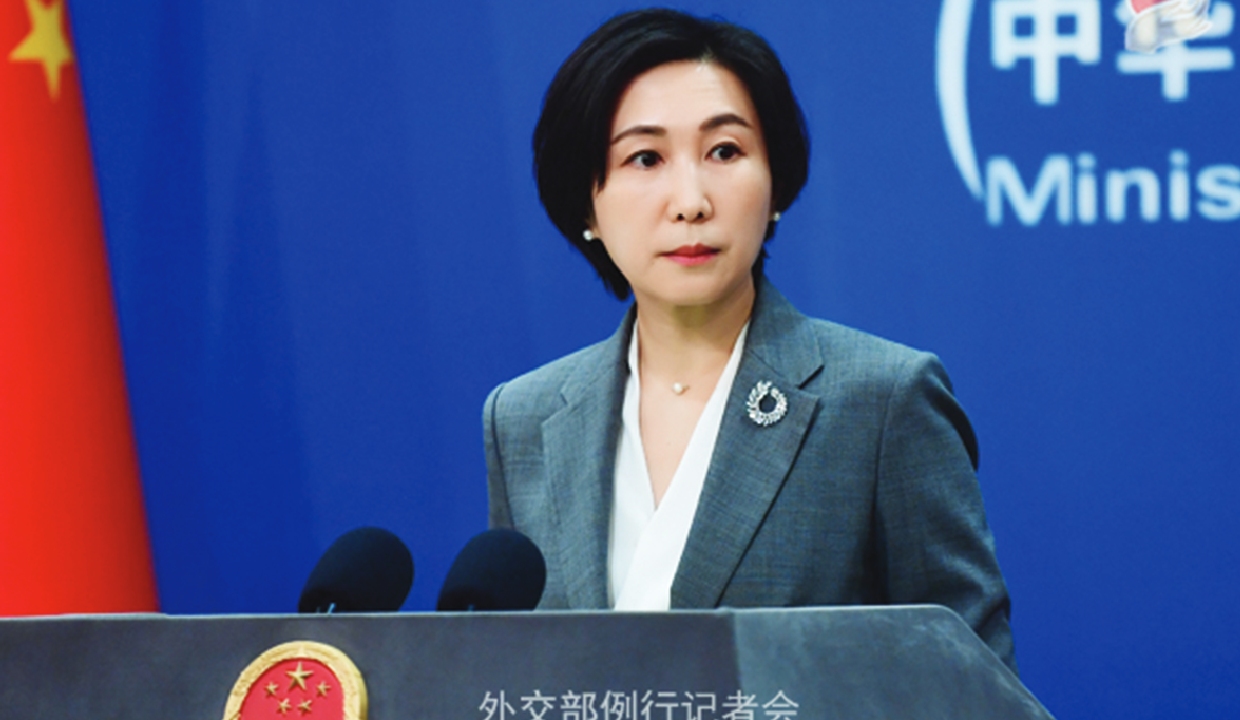
The week-long China-mediated talks between Pakistan and Afghanistan to end fighting concluded without an agreement, with Beijing maintaining that Islamabad and Kabul have agreed to explore a “comprehensive solution” to resolve their differences.
Representatives from China, Afghanistan and Pakistan held informal talks from April 1 to 7 in Urumqi, the provincial Capital of China’s Xinjiang Uygur Autonomous Region, Chinese Foreign Ministry spokesperson Mao Ning said on Wednesday.
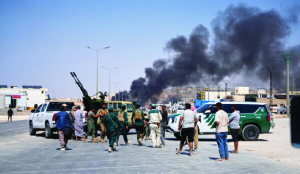
The China-facilitated talks were the first major diplomatic engagement between the two neighbours since Pakistan launched Operation Ghazab lil-Haq in late February to target alleged terrorist hideouts in Afghanistan. Pakistan accuses the Taliban-led Afghan government of sheltering the members of the banned Tehreek-e-Taliban Pakistan (TTP) and Baloch Liberation Army (BLA) militant groups, which are carrying out insurgency in Pakistan with recurring attacks in several provinces.
Mao said officials from the three sides had candid and pragmatic discussions in a good atmosphere, following a problem-focused, result-oriented, and action-driven approach.
The three sides stressed that dialogue and consultation are the viable and effective way to resolve complex international disputes, including that of Pakistan and Afghanistan, she said. They agreed to explore a comprehensive solution to address issues in Afghanistan-Pakistan relations, identifying both core and priority concerns, Mao said. Asked whether Pakistan and Afghanistan have agreed to meet again, Mao said, “I think it is important consensus to stay in touch, and the Urumqi process is quite meaningful. We can expect more communication at all levels in the future.” China emphasised that terrorism is a core issue affecting Afghanistan-Pakistan relations, Mao said, without explicitly backing Islamabad’s allegations of Kabul sheltering militant groups.
Last month, UN experts urged the two nations to commit to a permanent ceasefire, while adding that Pakistan had not published credible evidence that the Tehreek-e-Taliban Pakistan (TTP) attacks within its territory were directed or controlled by the de facto Afghan authorities.
The report, released by the UN human rights office of the high commissioner, said that the attack on Afghanistan violates the prohibition on the use of force under Article 2 of the United Nations Charter and international law.