
Blasé Capital China Chimes
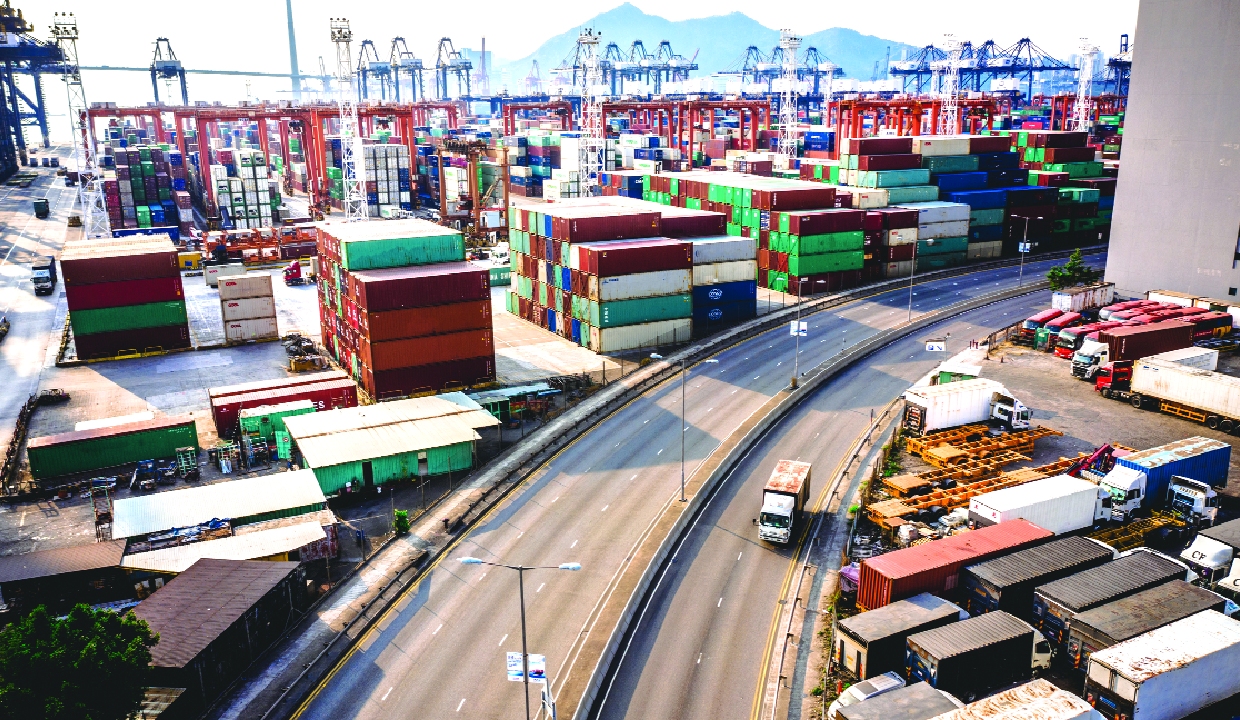
Even as the Reserve Bank of India (RBI) reduced India’s growth figures over the next two quarters (April-September 2026), China seems to be on a comeback trail. After a weak growth of 4.5 per cent in the previous (October-December 2025) quarter, its economy grew by five per cent in January-March 2026, or 0.2 per cent higher than the experts’ estimate. The five per cent mark seems crucial because last month, Beijing deliberately cut its annual growth target to 4.5-5 per cent, “its lowest expansion goal since 1991.” Touching five per cent, or the highest figure within the range, a quarter later is a positive sign.
More importantly, despite the Iran war, and West Asian disruptions in oil supplies and trade, the higher growth was driven by manufacturing. This was despite the negative and ongoing fallout due to the “falling property investment” in the country. Exports, especially of cars, marked a “major bright spot,” which is surprising in the wake of global disruptions, and decline in growth predictions of most economies. Maybe there was an economic momentum in March, after the war began, and the real impact may show in the next quarter. Experts feel that the figure will be “weaker” in the April-July period.
This is evident from the export performance in March 2026. According to a media report, “China’s export growth slowed sharply to 2.5 per cent last month, compared to the same time last year,” and this is a “six-month low, and comes after the combined exports for January and February jumped by more than 20 per cent compared to a year before.” Thus, the high export traction in the first two months of the previous quarter boosted manufacturing, and fueled the quarterly growth despite a dip in the exports in March. If the last is an indication, the decline may continue in April, and pull down the growth figures.
One need not forget that India’s growth in the last quarter (January-March) was excellent, about 7.5 per cent, although the numbers for the next two quarters are quite low, 6.8 per cent and 6.7 per cent, respectively. China may follow the same trajectory if the March exports are any indication. Unless, of course, the war stops with the second round of talks between the US and Iran on the anvil. Indeed, Donald Trump said that China would be extremely happy if peace prevails, and oil bottlenecks open. He added that Xi Jinping will give him a big hug for ending the ongoing conflict with Iran.
Apart from the fall in exports in March 2026, Chinese imports surged by nearly 28 per cent, according to the official figures. One of the reasons may be the urgency to import goods in the first two weeks before the major routes were completely shut and closed. The second may be due to the high global crude oil prices, which went up by 50 per cent or so before they settled down below $100 a barrel. China increased its purchases from Iran and Russia, and paid premiums over the high market prices. This pushed up the value of imports.
China’s trade surplus in March, or the difference between export earnings and expenditure on imports, was $50 billion, or the lowest number in a year, thanks to high imports and dip in exports. The trade numbers seem uncertain in the next few months. According to an expert, “The war could hit China’s exports if consumers around the world are less willing to spend due to higher prices caused by the conflict. Export growth ultimately depends on your trading partners’ economies. It is hard to sustain that growth at a very high rate continuously.”
Due to the war, world agencies like the World Bank and International Monetary Fund (IMF) have trimmed the growth estimates for most economies. This week, it reduced China’s number to 4.4 per cent growth in 2026, or lower than the range set by Beijing last month. In the case of India, the figure is 6.4 per cent each for 2026 and 2027. But the RBI feels that India can bounce back easily to over seven per cent in the last two quarters of 2026-27. However, what is interesting is that the central bank’s estimate for 2027-28 is lower.
One is not sure what this implies. It may mean that the RBI expects the economy to move upwards after the Iran war ends. But the lag effects of the trends may hit India more so in 2027-28. One can possibly assume that the experts feel that, despite the current macro robustness, there are weaknesses that may awaken after a few quarters. For example, if inflation increases due to the war, as it has, and as the RBI predicts for the future, prices have a nasty habit of not coming down. They persist at the higher levels despite the absence of the initial factors that made them go up. This may prove to be a negative.
China too may get out of the clutches of the war, if it ends soon, but continue to face other niggling problems. According to experts, these include a boost in public investment, and household demand. If these two do not happen, they may intensify deflationary pressures.





