Bhadralok signals West Bengal polls may redefine state’s political balance
As West Bengal braces for the 2026 Assembly elections scheduled for April 23 and 29, a quiet but profound political realignment is underway. Assessments, circulating in political circles, project the Bharatiya Janata Party (BJP) securing between 125 and 136 seats out of 294. This is no modest uptick from the 77 seats won in 2021; it signals a potential breach of the 148-seat majority threshold if alliances and independents align favourably.
What makes this projection intellectually compelling is not mere arithmetic, but the geography and sociology of the shift, the very Bhadralok heartlands. Hooghly, Howrah and South Kolkata long considered intellectual bastions, which supported Left parties, Mamta Bannerjee and averse to saffron politics, are tilting towards the BJP.
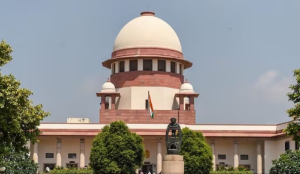
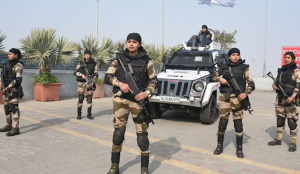
The drivers are stark and grounded in governance failures rather than ideological fervour. Law-and-order concerns have become the pivot. Recent Supreme Court observations on “complete breakdown of law and order” in the State triggered by incidents like the Malda hostage crisis involving judicial officers during the Special Intensive Revision (SIR) of electoral rolls, have amplified public unease.
In urban and semi-urban pockets, where educated middle-class voters once viewed TMC as a bulwark against majoritarianism, stories of unchecked violence, political patronage and administrative paralysis, have eroded their trust.
South Kolkata’s intellectual enclaves, Hooghly’s industrial corridors and Howrah’s bustling trade hubs are no longer insulated; they are now asking whether 14 years of Trinamool rule have delivered security or merely rhetoric. This urban-intellectual drift is complemented by a deeper consolidation among key social groups.
The Namasudra often referred to as Namo Sudra, Matua, and Kanjawara communities. historically marginalised yet numerically significant backward castes, have shifted towards BJP in substantial numbers. These groups, many with roots in refugee experiences and Dalit movements, have responded to the BJP’s outreach on citizenship, dignity, and economic inclusion. The Matua heartland in particular, once a TMC stronghold, has seen visible realignment, turning what were once fragmented caste votes into a cohesive bloc.
The electoral math underscores the precision of the BJP’s strategy. West Bengal’s demographics offer a clear template: minorities, largely consolidated behind TMC, account for roughly 32 percent of the electorate.
The remaining 68 percent the Hindu majority, forms the decisive battleground. BJP’s internal calculus aims for 42 percent of these majority votes, a threshold that, when combined with an additional three percent shift of women voters peeling away from TMC, could decisively turn the tables on TMC.
Women, often the silent arbiters in Bengal’s family-level political decisions, are showing signs of disillusionment with issues of safety and economic stability. The RG Kar Medical College incident and the general law and order situation has not gone down well with women and young voters.
BJP’s layered targeting of voters with caste, gender and urban governance has revealed a sophisticated understanding of micro-trends that traditional pollsters sometimes miss.
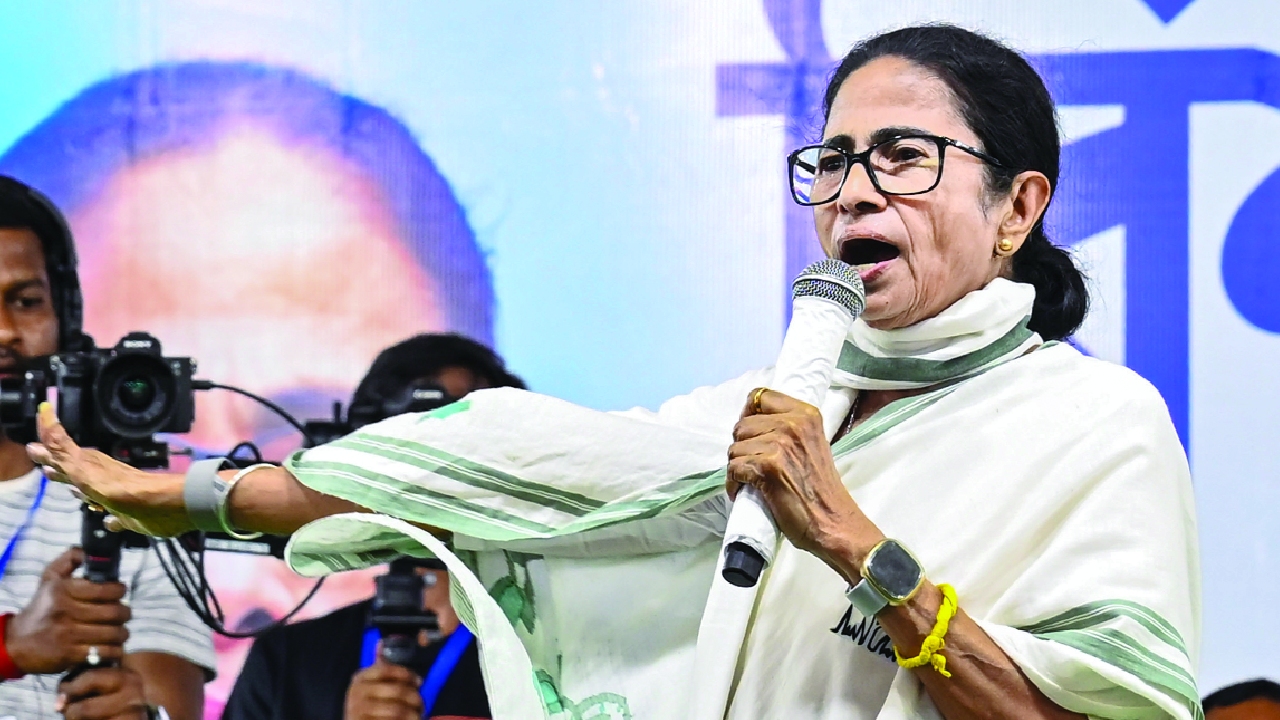
Leader of Opposition Suvendu Adhikari, the BJP’s most recognizable face in the state, is taking the fight directly to Chief Minister Mamata Banerjee. By contesting from Bhabanipur seat, considered Mamata’s traditional turf alongside his Nandigram base, Adhikari is forcing a high-stakes symbolic battle. The BJP’s decision to field heavyweights like Dilip Ghosh in Kharagpur Sadar further stretches TMC’s defensive lines across South Bengal’s semi-urban and industrial belts.
Adhikari’s move reframes the election as a referendum on leadership credibility, governance delivery, and the limits of personality cults. This is not mere symbolism; it is an intellectual challenge to the TMC’s narrative of invincibility.
For decades, Bengal’s educated elite prided itself on a secular, progressive ethos that kept communal forces at bay. Yet today, sections of that same elite academics, professionals, and cultural voices in South Kolkata and the Howrah-Hooghly axis are reassessing.
The shift is not born of majoritarian zeal but of pragmatic disillusionment; repeated cycles of violence, perceived minority appeasement at the cost of majority security and a governance model that prioritises street-level control over institutional integrity. The BJP’s pitch, in this context, is less about ideology and more about restoration of rule of law, economic opportunity, and administrative competence.
But the deeper story is already written in the streets and drawing rooms of Hooghly, Howrah and South Kolkata. Bengal’s intellectual class, long the custodian of the state’s political conscience, appears to be signalling that governance failures can no longer be papered over by identity politics.
The 2026 verdict may not just decide who rules it may mark the moment Bengal’s voters chose pragmatism over patronage, order over chaos and a new political equilibrium.