Balendra Shah takes oath, signals generational shift in Nepal
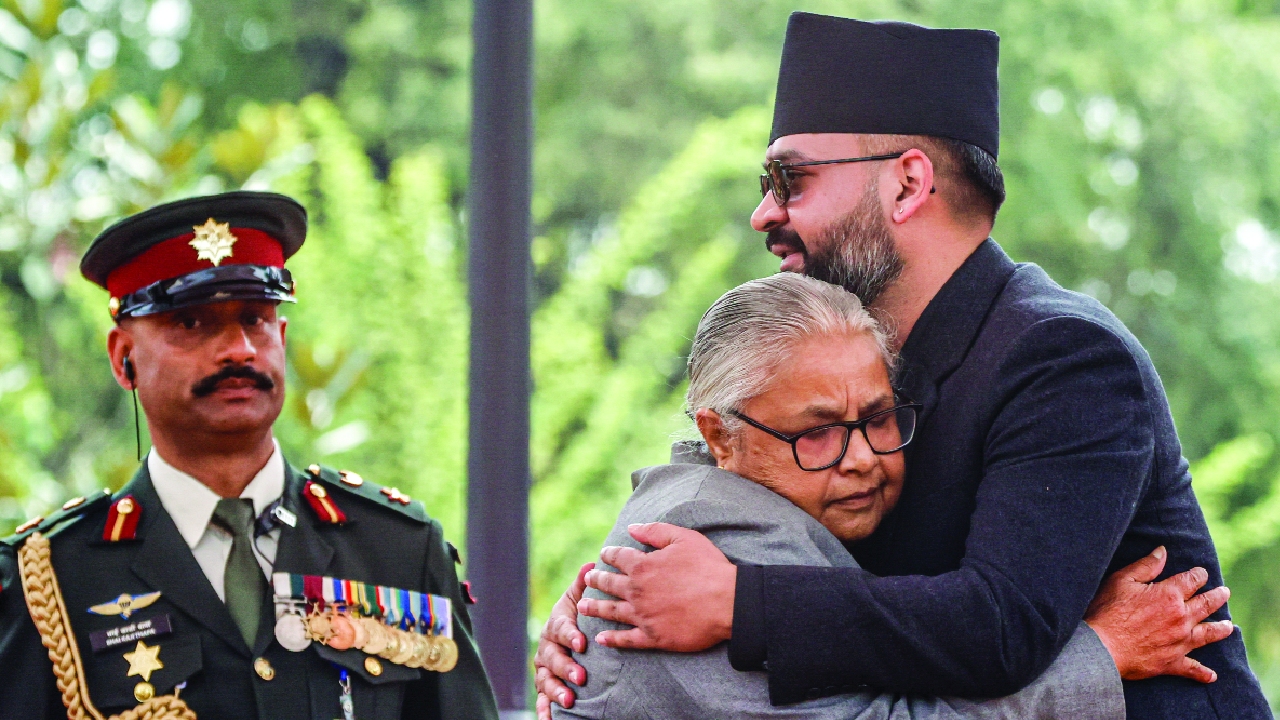
In a political moment that feels almost cinematic, rapper-turned-reformer Balendra Shah — widely known as Balen — was sworn in as Nepal’s youngest Prime Minister, signalling a dramatic generational shift in the country’s politics.
The 35-year-old leader of the Rastriya Swatantra Party (RSP) took oath at the Rashtrapati Bhawan with Ram Chandra Paudel administering the ceremony. His rise comes just six months after the collapse of the government led by KP Sharma Oli, following an unprecedented youth-led movement demanding transparency, accountability, and a break from traditional politics.
Shah’s victory is nothing short of historic. Under his leadership, the RSP secured a sweeping mandate, winning 182 out of 275 seats in the House of Representatives.
The result reshaped Nepal’s political map, pushing long-dominant parties to the margins. The Nepali Congress managed just 38 seats, while the Communist Party of Nepal–Unified Marxist-Leninist (CPN-UML) was reduced to 25.
A former mayor of Kathmandu, Shah has now carved out multiple milestones—becoming the youngest democratically elected Prime Minister and the first leader from the Madhes region to hold the office.
In one of the election’s biggest upsets, he defeated veteran leader Oli in Jhapa-5, a constituency long regarded as a stronghold of the communist bloc.
The newly elected members of Parliament were sworn in earlier at Singha Durbar, with senior leader Arjun Narasingha KC administering the oath, setting the stage for government formation. Shortly after, Shah was sworn in at Sheetal Niwas and is expected to form a compact cabinet of 15 to 18 members.
Shah’s ascent has drawn international attention. Indian Prime Minister Narendra Modi congratulated him, expressing optimism about strengthening India-Nepal ties.
From rap lyrics to national leadership, Balen Shah’s journey reflects the aspirations of a new Nepal—one driven by youth, reform, and the promise of change.