Assembly Winter Session likely to see heated debates
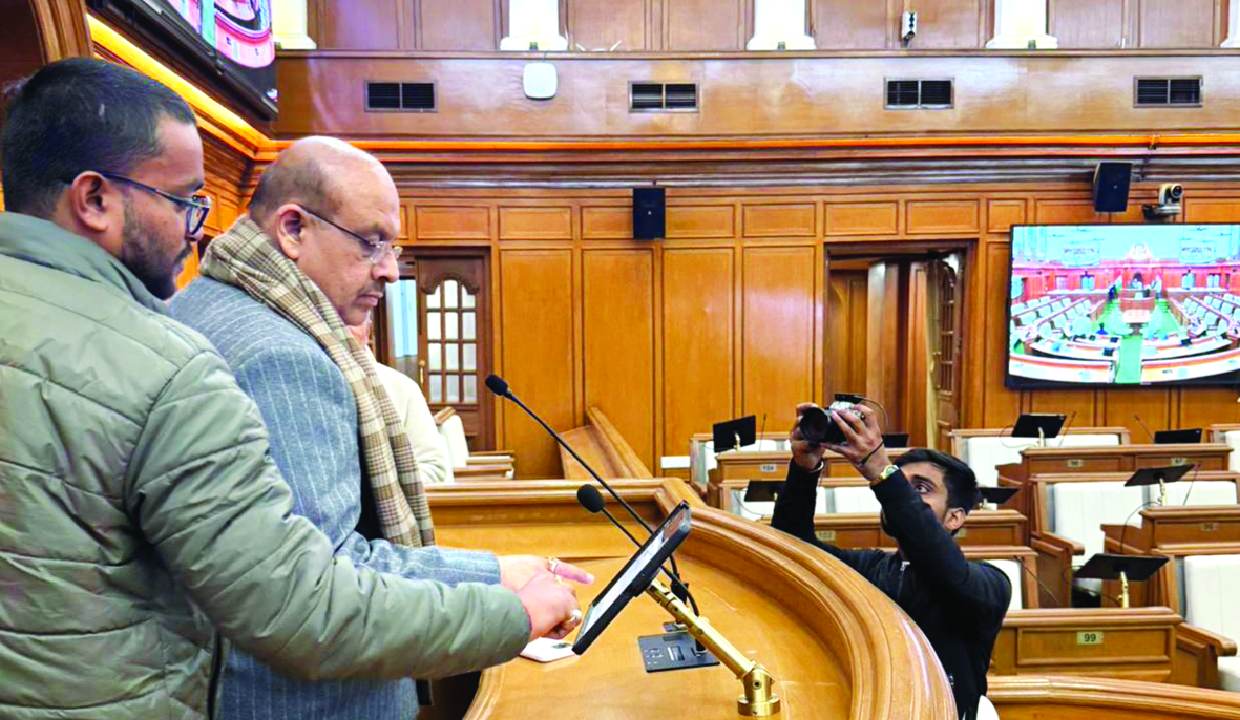
The four-day winter session of the Delhi Assembly beginning on Monday is likely to see heated debates on pollution and three CAG reports that will be tabled by the Government.
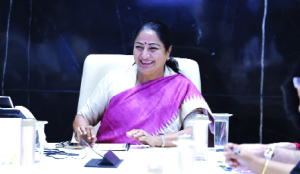
Besides discussing the root causes of the perennial problem of air pollution and assessing past measures, the Rekha Gupta dispensation will table three CAG reports — on the luxuriously renovated bungalow of Arvind Kejriwal when he was the chief minister, the functioning of the Delhi Jal Board, and Delhi Government-run universities during AAP rule.
The Delhi Assembly Secretariat said that as the first Assembly engagement of the new year, the session carries added significance. Issues of development delivery, administrative efficiency and financial discipline are likely to dominate proceedings, offering early signals on how effectively the state machinery is responding to civic challenges. With limited time and heightened expectations, the Winter Session is poised to unfold as a concentrated exercise in legislative scrutiny rather than extended debate.
The session will formally commence with the address of the Lieutenant Governor of Delhi, Vinai Kumar Saxena, at 11 am, following which the regular sitting of the House will begin.
The Winter Session is scheduled to run until January 8, with sittings on the opening day starting in the morning and subsequent sittings beginning at 2 pm.
In a statement, Delhi Assembly Speaker Vijender Gupta said, “The Winter Session of the Delhi Legislative Assembly will reflect the principles of orderly deliberation, transparency, and responsible legislative conduct.”
Gupta has underlined the importance of constructive engagement during the Winter Session, noting that legislative scrutiny and meaningful debate are central to strengthening democratic governance.
Emphasising discipline, preparedness and adherence to procedure, the Speaker expressed hope that the House would use the sittings effectively to raise issues of public importance, seek clarity from the government and contribute to informed decision-making in the interest of the people of Delhi.
Special Mentions under Rule 280 are also likely to play an important role during the session. With strict limits on both number and length, these interventions are expected to be used as precision tools to highlight governance gaps and pressing public issues. The choice of matters raised is likely to signal legislative priorities for the year ahead.
A key feature of the session will be the emphasis on Question Hour, scheduled on three consecutive days.
Several major service-delivery departments, including health, education, power, water, transport, finance and urban development, will be taken up for questioning, creating space for legislators to raise governance concerns and seek time-bound responses from the Government.
Beyond procedure, the Winter Session is expected to offer early signals on the direction of Delhi’s development in the coming year. Questions and floor interventions related to infrastructure, public services and welfare delivery are likely to reflect whether policy intent is translating into on-ground outcomes. For a city grappling with rapid urbanisation and service pressures, the nature of answers placed on record may indicate how prepared the administration is to meet developmental challenges in 2026.