Andhra Pradesh cops dismantle terror ring linked to ISIS, AQIS
In an intense counter-terror operation spanning multiple States, the Andhra Pradesh Police have dismantled a sophisticated terrorist module with direct links to ISIS, Al-Qaeda in the Indian Subcontinent (AQIS) and foreign handlers operating from Pakistan, Afghanistan, Syria, Bangladesh and the UAE.
The network was not only radicalising Indian youth through online propaganda featuring figures like Osama bin Laden and Zakir Naik but was also actively recruiting women into a separate ‘Khawateen’ (women’s) wing, sharing bomb-making manuals, and preparing recruits for terror training abroad with an ultimate aim of establishing an Islamic State in India.
The breakthrough came after the Andhra Pradesh Police’s Counter-Intelligence Cell and Vijayawada police launched coordinated raids.
They arrested the prime accused, Mohammad Rahamatullah Sharif, along with Mohammad Danish and Mirza Sohail Baig from the Wynchipeta area of Vijayawada.
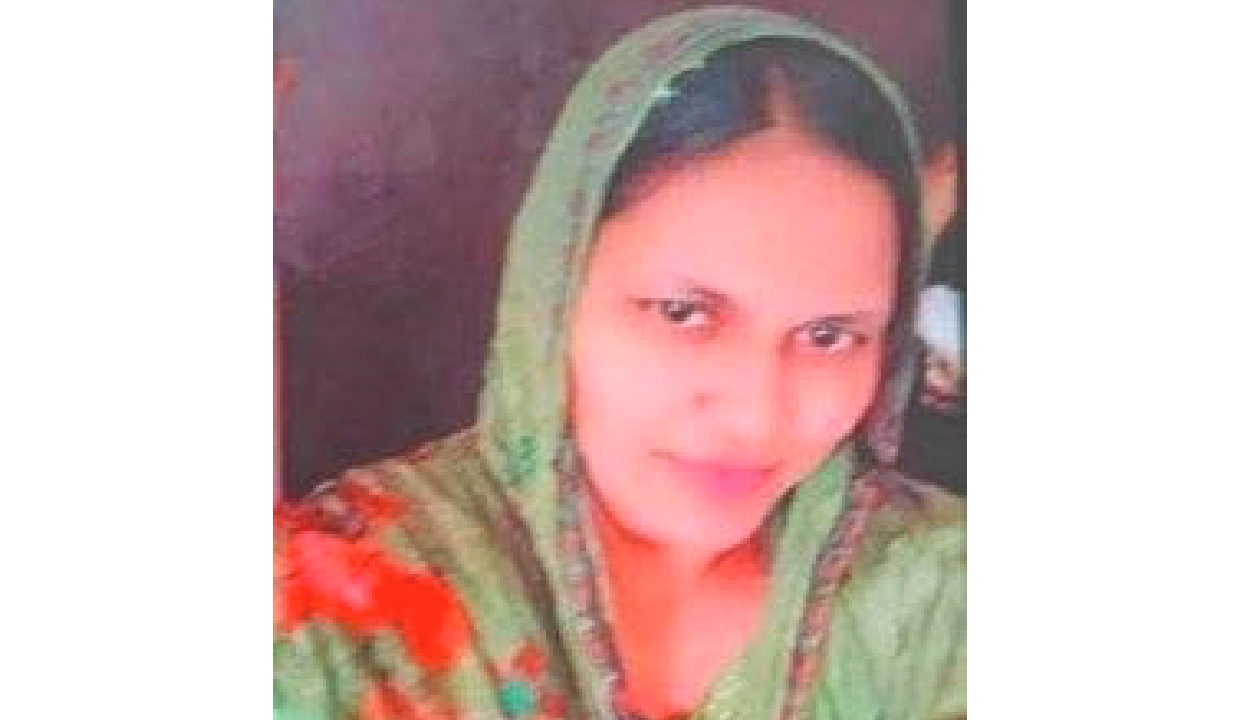
Subsequent investigations led to the detention of nine more suspects from Hyderabad, Karnataka, Delhi, Rajasthan, Maharashtra, West Bengal and Bihar. One notable arrest was that of Sayeeda Begum, a widow from Hyderabad.
Currently lodged in Rajahmundry jail, she is accused of assisting in the recruitment of women into the network and maintaining contacts with operatives in Pakistan and Jammu and Kashmir.
Investigators have uncovered direct communication between the module and at least six identified foreign handlers, Al-Hakeem Shukoor, Mohammed Huzaifa, Ninja, Hemroxy, Abu Muharib and Abu Balushi, operating primarily from Pakistan, Afghanistan, and Bangladesh.
These handlers allegedly guided the group on militant training, the use of weapons, including sniper rifles, and assured them of arms supplies from Pakistan and Afghanistan for future operations inside India.
Pakistani handlers maintained communication through more than 40 Instagram accounts and encrypted chat groups. The handlers reportedly encouraged recruits to undertake ‘Hijrat’ (migration) to Pakistan or Afghanistan for jihadi training in madrasas abroad, followed by advanced weapons training. Some radicalised individuals linked to the module are already believed to be undergoing such training overseas, while efforts to recruit more members continue.
Investigators suspect female cadres were being groomed separately under a ‘Khawateen wing’ to spread propaganda, recruit new members, and provide logistical support to the broader network. Sayeeda Begum is alleged to have played a key role in this effort.
The group’s propaganda drive was relentless as members circulated videos and speeches of global jihadist ideologues Osama bin Laden, Israr Ahmed, Anwar al-Awlaki, and Zakir Naik to radicalise Muslim youth. They posted masked photographs holding ISIS flags, raised the ‘One Ummah’ slogan, sang the Indian National Anthem derogatorily, and shared content showing the desecration and burning of the national flag. The material explicitly called for violence against ‘Kafirs’ (non-believers) and the establishment of Sharia law in India.
The module was not limited to ideological indoctrination. Police have recovered PDF documents and videos instructing members on the production of black powder and improvised explosive devices (IEDs), along with guidance on carrying out blasts and other violent acts. Content related to cyber terror, including plans to hack official websites, was also being shared.
Agencies are now probing possible foreign funding channels and examining the full extent of the online network to identify more radicalised individuals who may have been drawn into the module. An intelligence official described the operation as the unearthing of “A jihadi module with links to foreign handlers and extremist organisations like ISIS and AQIS, which was engaged in radicalizing youth in India.” Security agencies across States are continuing the probe, with teams still analysing seized digital devices for further leads. The multi-State nature of the arrests covering Andhra Pradesh, Telangana, Karnataka, Maharashtra, Delhi, Rajasthan, West Bengal and Bihar underscores the Pan-India reach of the network. With recruits being prepared for overseas training and eventual return for attacks, the case highlights the growing threat of hybrid radicalisation via social media combined with direct foreign handler support.
As the investigation deepens, authorities are expected to reveal more about the module’s funding, additional handlers, and any potential sleeper cells. For now, the bust serves as a major setback to cross-border terror designs targeting India’s internal security. Central security agencies, including the NIA, are closely monitoring the ongoing investigation.