Accused wanted to draw attention to missing nephew
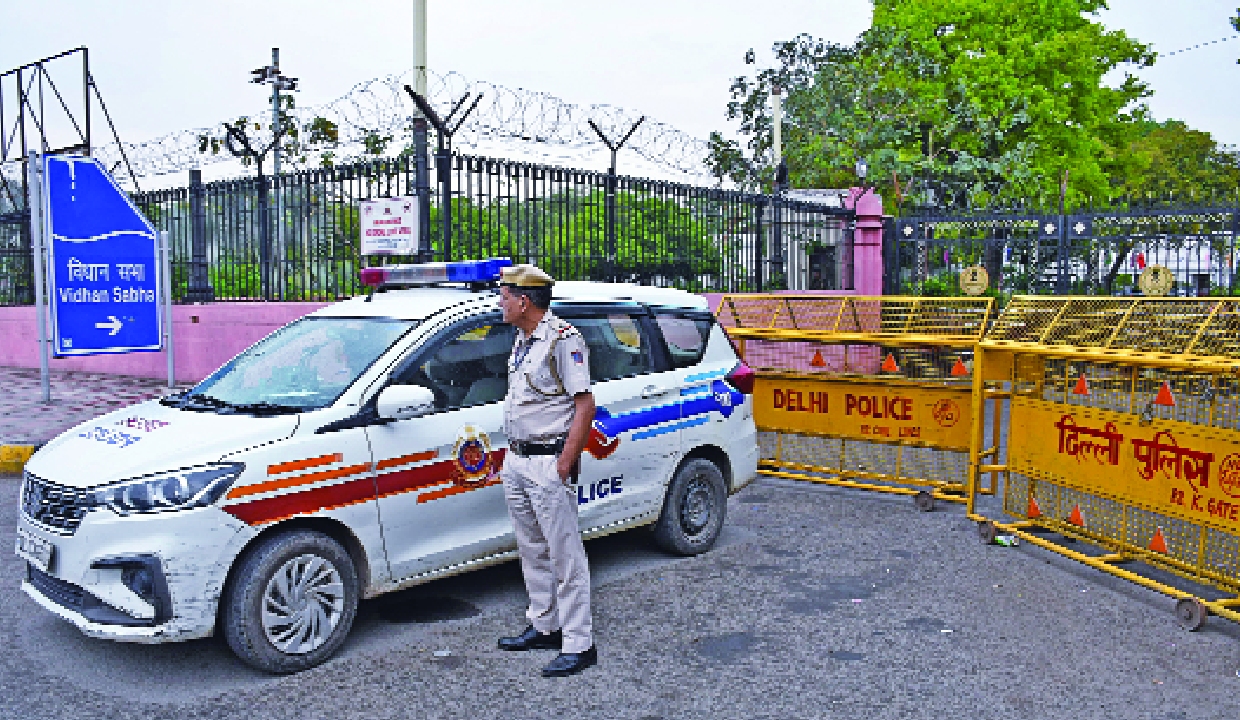
The probe into the Delhi Assembly security breach has revealed that the man who allegedly forced his way into the complex in an SUV wanted to draw the attention of police and other authorities towards the disappearance of his nephew, officials said on Tuesday.
According to the police, his nephew has been missing since April 1, and a missing persons report had been lodged at the Hari Nagar police station in West Delhi.
A senior police officer, requesting anonymity, said Sarabjeet Singh believed that senior officers would understand his grievance about his nephew’s disappearance and ensure action.
“While the family has claimed that he is mentally disturbed and undergoing treatment, (police) teams are not fully convinced by this theory at this stage. He is physically fit, and we are also checking all the claims by his family members. Sarabjeet is also financially stable and purchased the SUV in February,” the police source said.
Another senior police officer said that he was produced before a city court, and the court granted eight days of police custody of the accused.
During his remand, police will investigate his routes, main motive and CCTV footage, complete the chain of events and examine different aspects of the case. Police sought 10 days of custody, but the court approved eight days of remand.
“During custody, the police will verify the statements of the accused and reconstruct the sequence of events by linking the locations he visited over the past few days,” the source said.
Another officer said that, though no weapon was recovered from him or his vehicle, he was driving dangerously, posing a serious threat to the lives of security personnel and others present at the assembly complex.
“Sarabjeet acted alone, and no accomplice has been found so far. However, during the course of the investigation, it emerged that he was unfamiliar with Delhi’s routes and had hired two taxi drivers, paying them Rs 2,000 to guide him to different religious places, including one in the New Delhi district.
Sarabjeet was arrested along with two others two hours after he breached the assembly premises.
“Both taxi drivers have been questioned, and no role in the offence has surfaced so far, though they are being further examined as a precautionary measure,” the officer said.
Sources further said that after fleeing from the assembly complex, the accused visited a religious place where he stayed for some time.
The assembly breach occurred at 2.10 pm on Monday when Sarabjeet rammed his vehicle through Gate No 2 of the Delhi Assembly at a high speed. He placed a bouquet and a garland inside the speaker’s car and briefly sat inside it before exiting through the same gate. The entire sequence unfolded within five to seven minutes.
Police said his driving appeared deliberate and dangerous, with an apparent intent that could have resulted in running over on-duty security personnel. Following the breach, a citywide alert was issued and barricades were set up across multiple locations.
Assembly to undergo security overhaul
New Delhi: The Delhi Assembly will undergo a major security overhaul after a recent breach, with Speaker Vijender Gupta ordering immediate installation of hydraulic road blockers, stricter access control, and a unified command structure for security agencies.
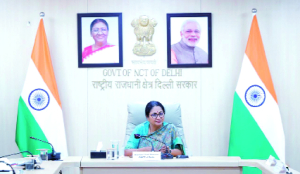
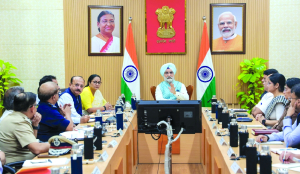
Chairing a high-level review meeting at the Assembly premises, Gupta said there can be “no scope for even the slightest lapse” in security. He stressed that vigilance, coordination, and clear command systems must guide all arrangements. “The security of the Assembly cannot admit of the slightest lapse. It must rest on vigilance and seamless coordination,” Gupta said during the meeting. The review was held following a recent incident inside the Assembly complex that affected official movement, including that of the Speaker’s vehicle. Officials said the sequence of events was examined in detail, including available footage, which is currently under technical analysis.
Senior officials from multiple agencies attended the meeting. These included representatives from the Ministry of Home Affairs, Intelligence Bureau, Delhi Police, Traffic Police, and Public Works Department, along with senior Assembly officials and members.
Gupta directed that hydraulic road blockers be installed at all entry gates to prevent unauthorised vehicle access. He also called for the strengthening of all access control points and the reinforcement of physical infrastructure at entry and exit locations.