A bouquet, a blast of ink, and a question that hung over Assembly
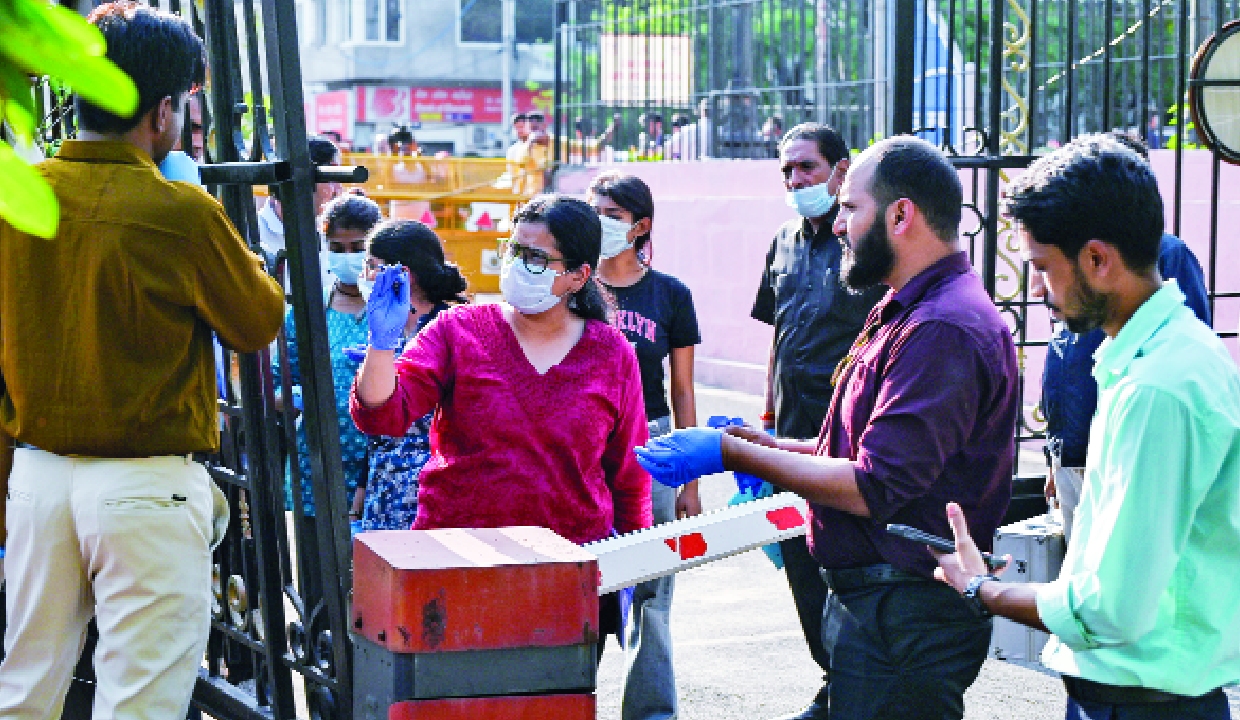
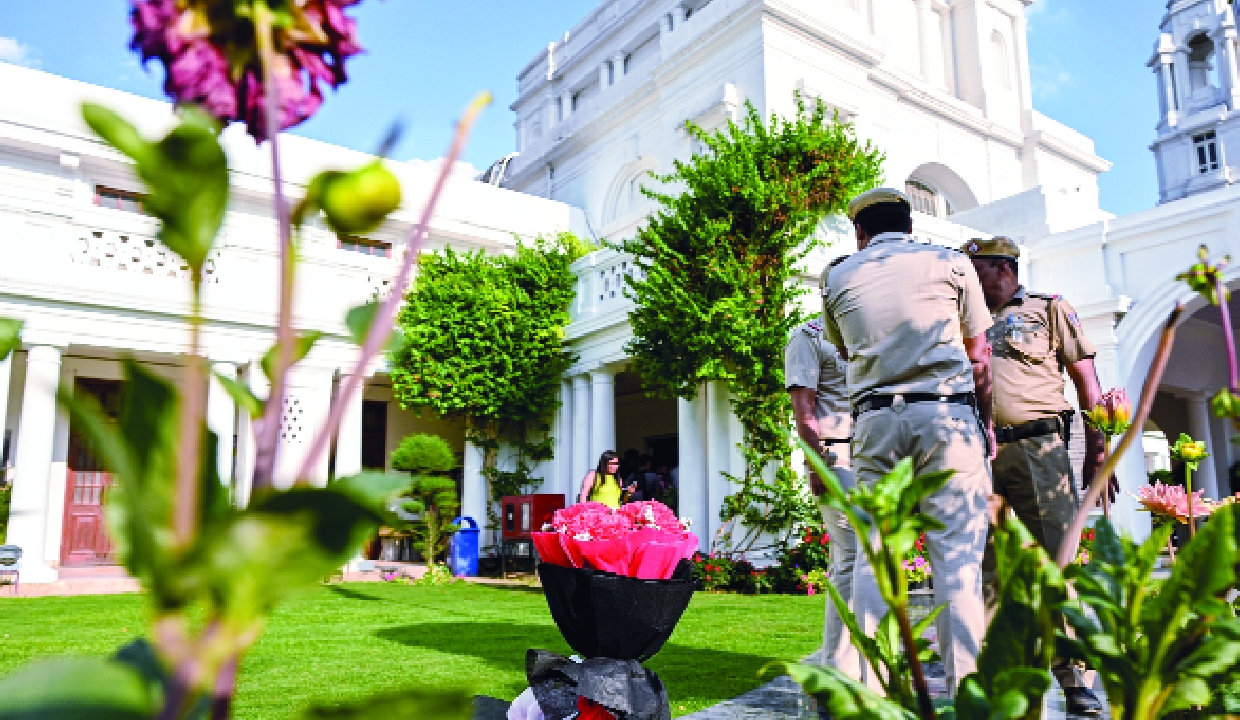
The flowers were still lying near the porch when investigators arrived. The bouquet placed with apparent deliberation outside the office of Delhi Assembly Speaker Vijender Gupta is what made Monday’s security breach at the Delhi Assembly something more unsettling than a traffic accident or an act of impulse. Someone had planned this. Someone had brought flowers.
At around 2 pm, a Tata Sierra bearing a Uttar Pradesh registration plate came fast down the approach to Gate No 2 of the Delhi Assembly. The driver was masked. The car hit the iron barricade, pushed through it, and rolled onto the premises. The gate gave way. The CRPF personnel deployed at the VIP entrance were at a different point. Gate No 2, sources would later explain, had lighter deployment when the House was not in session. By the time security personnel realised what had happened, the car was already moving toward the inner precincts.
A guard who was near the gate described the moments after impact. “It happened very fast. The car did not slow down. By the time we moved, it was already inside.” He did not want to be named. His hands, as he spoke, were still.
The driver stopped near the Speaker’s porch. He got out, placed the bouquet, threw ink on the Speaker’s official car parked nearby, returned to the vehicle, reversed sharply, and drove out before anyone could block his path. The whole operation took minutes. When media personnel reached the spot in the early evening, the atmosphere outside Gate No 2 was tense and oddly quiet. Additional security personnel had been deployed along the perimeter. A bomb disposal unit had swept the premises as a precautionary measure, officials clarified, and no device was found. But the yellow tape and the cluster of investigators near the porch told their own story.
An assembly staffer who had been inside the complex when the car entered said he heard commotion before he understood what was happening. “People started running. Someone shouted that a car had broken through. We did not know if it was an accident or something else.” He paused. “After the bomb threat last month, you think the worst.”
He was referring to March 25, when the Delhi Assembly received an email claiming that 16 RDX-based IEDs had been planted inside the complex. That threat had led to intensive searches and a security review. Monday’s breach arrived barely 10 days later.
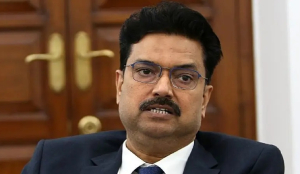
Special Commissioner of Police (Law and Order) Ravindra Yadav was at the site by evening, coordinating the response personally. He confirmed that CCTV footage had been used to identify the suspect named by police as Sarabjit Singh and that alerts had been flashed to adjoining States. “Police teams were formed to track down the vehicle and its occupants,” Yadav said. By late evening, three people had been detained, and the car was recovered from north Delhi.
The ink on the Speaker’s official vehicle had dried by the time forensic teams photographed it. Around it, the premises wore the look of a place still making sense of itself. A constitutional institution, guarded by multiple layers of security, broke quiet and still, somehow, breached by a man with a bouquet and a plan.
Outside the gate, a small group of people had gathered on the pavement. One of them, a tea vendor who operates his stall near the assembly road, watched the police vehicles come and go. “This gate,” he said, nodding toward Gate No 2, “is always quieter than the main one.” He seemed to understand, in the way people who watch places do, exactly what that quietness had cost on Monday afternoon. The investigation continues. The flowers, presumably, have been taken into evidence.