A $1 trillion musk with elan
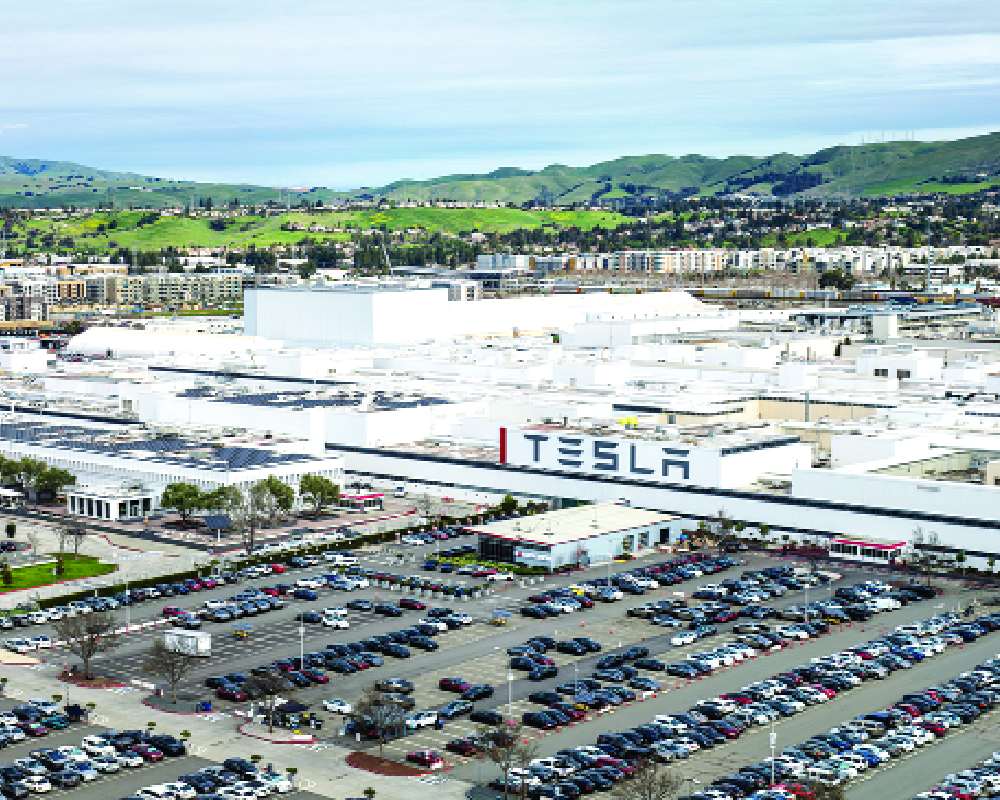
It is clearly compounding. It is cruelly confounding. It is cleverly confusing. Tesla’s compensation package for Elon Musk, which was approved by the shareholders, defies logic and rationale of what to pay CEOs. A maximum of $1 trillion if Tesla possibly becomes the largest in the world in terms of valuations. To put the figure in perspective, the current market cap of the company is $1.3 trillion, or almost the same as Musk’s future compensation. The latter is almost five per cent of Reliance Industries’ current market cap.
The shareholders’ approval signals a shift as the value of a business leader, along with his vision, and ambition is being priced on the same scale as national economies. It is a pay structure that reads less like a contract, and more like a referendum on how the stock markets, and investors about leadership. Naturally, the package ignited debates not only because of its headline number but of what it represents. Musk is seen as an economic multiplier rather than an executive, and the conversation moves into the realm of psychology, governance, and the risks that reward the most ambitious.
Not that the shareholders are irrational, and exuberant. They have linked the package to performances so that Musk gets nothing, or much less, unless he and Tesla hit a sequence of milestones. The most aggressive condition is a market cap of $8.5 trillion. Additional conditions include revenue thresholds, profitability metrics, and large-scale deployment of autonomous driving. Vesting is proportional, which means partial achievements translate into partial rewards. The math is simple but the expectations behind it stretch the limits of what listed companies have attempted before.
Under a rosy scenario, in which Tesla meets its targets, and a valuation of the scale of the combined weight of Apple, Nvidia, Toyota, Exxon, and Google, Musk receives the entire award. This is the most-desired outcome that the stakeholders envisage. If Tesla under Musk meets some of the milestones, the CEO receives a substantial portion, which still will put him back among the wealthiest individuals in modern financial history. Critics warn that even partial achievements result in payouts that are extraordinarily high by global, or any, governance standards.
If Tesla misses the milestones, Musk receives little or nothing. The firm’s board will then face difficult questions about why it set such expectations that may in hindsight seem far beyond realistic probability. Investors will worry about their state of minds, and why they approved such audacious payments. The company will be forced to explain not only the performance gaps but incentive designs. In the three scenarios, the issue is about how much volatility the investors are willing to absorb in pursuit of extraordinary upsides.
This leads us to the concern that such moonshot targets alter corporate behaviour. Traditional long-term incentives reinforce steady growth, and operational discipline. A structure that rewards success on an almost unprecedented scale carries the risk of pushing firms toward more fragile strategies. When the upside is so high, there are pressures to pursue expansion and growth at a pace that outstrips operational maturity. Risks become a part of life, and this is the main worry among governance experts who argue that incentives must encourage balance, not hyper-optimism.
Governance is an area where Musk’s salary faces its sharpest scrutiny. A Delaware court struck down his 2018 package due to concerns about board independence, and the decision-making process. The redesigned structure is meant to address those issues, yet the broader question remains. How independent can a board be when the CEO dominates the public identity and market narrative? Shareholder approval does not fully satisfy concerns about oversight, especially when the compensation scale is so heavily tied to an individual’s perceived irreplaceability, and his threats.
The contrast becomes sharper when viewed through an Indian lens. Regulatory norms back home create a conservative compensation environment. SEBI’s requirements, combined with the influence of proxy advisory firms and institutional shareholders, enforce moderation, and demand that pays be justifiable against real performances. Even promoter-led firms face reputational and shareholder pressures that keep compensation grounded. Even the idea of tying CEO’s pay to valuations may be rejected as excessive by both the regulators and broader investment community.
Despite this, the Indian stock markets are still extremely sensitive to leadership changes. Over the past two years, several CEO exits triggered immediate and sharp stock corrections. At PNB Housing Finance, the resignation of Girish Kousgi forced the share to fall by 17 per cent in a single session. IndusInd Bank lost nearly seven per cent after Sumant Kathpalia stepped down, following an accounting lapse. Britannia experienced a similar decline when Varun Berry exited abruptly, and Grasim fell more than six per cent after the departure of the CEO of the paints division.
Navin Fluorine offers another illustration of how leadership uncertainty shapes sentiments. The firms saw a prolonged slide in share price after senior management changes, reinforcing the idea that investors remain highly sensitive to shifts in executive stability even when the other fundamentals appear intact. These episodes show that like the global investors, Indians place significant weight on continuity, despite the lack of audacious pay structures. Tesla’s Musk episode is related to continuity as the CEO hinted that he might not continue if he was not given the proposed package.
The difference lies in how the eastern and western systems balance leadership value and risks. Indian markets recognise the importance of experienced leadership but refuse to blur the line between value creation and valuation excesses. The US, influenced by Silicon Valley’s culture of founder exceptionalism, has a higher tolerance for salary structures that resemble venture capital-style bets. Tesla’s board and shareholders believe that Musk’s presence is so integral that the firm’s long-term value is embedded with it. This transforms the trillion-dollar package into something more ideological than financial.
The unpredictability inherent in the package magnifies its symbolic weight. Ultimately, the trillion-dollar deal forces an examination of the value that shareholders attach to leadership. It reveals a mindset where personality, perception, and growth prospects play an increasingly dominant role in valuation models. India’s recent experience is a reminder that leadership matters. Musk’s package challenges the idea of executive compensation, and raises questions that will likely define boardrooms for the next few years. Obviously, leaders are crucial. They can define, and influence corporate destinies. They can possibly become the difference between successes and failures. But does an individual’s vision have an upper limit?