28 new sewage plants, 989 km pipelines approved to clean Yamuna
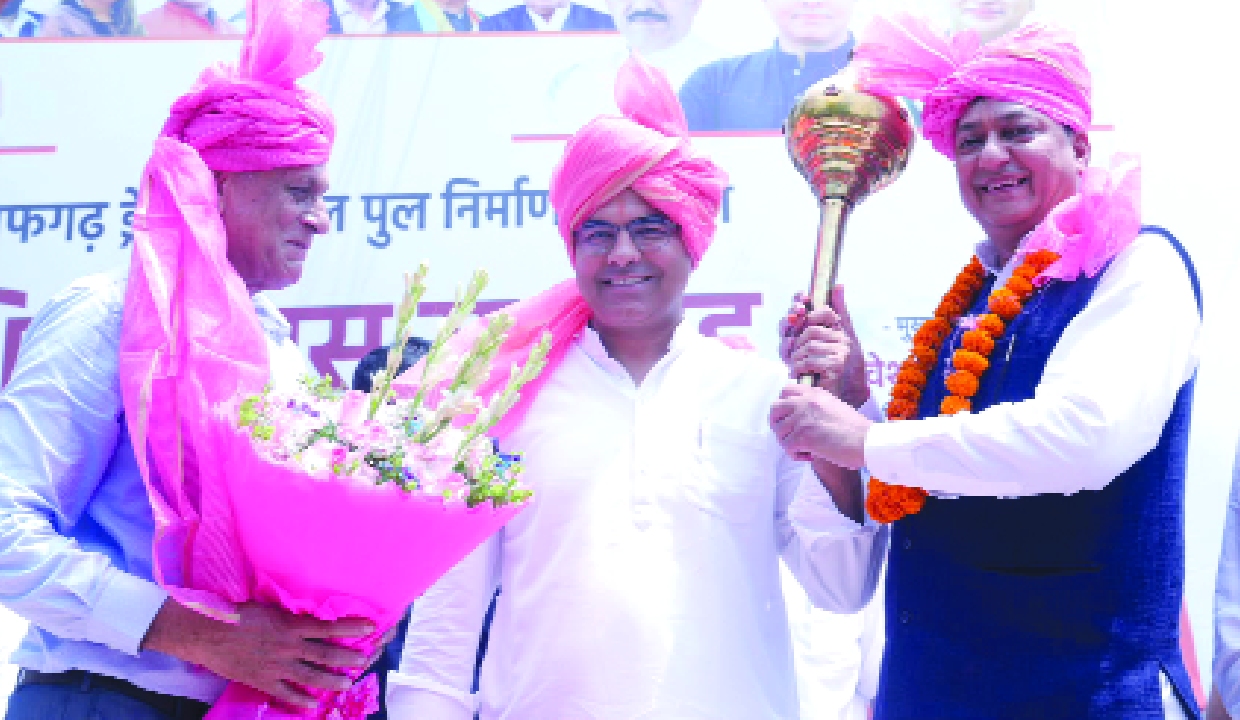
The Delhi Jal Board (DJB) has approved 28 new decentralised sewage treatment plants and nearly 989 kilometres of new sewer pipelines. Water Minister Parvesh Sahib Singh announced on Tuesday that this is one of the largest sewer infrastructure expansions the city has seen.
Singh, who also chairs the Delhi Jal Board, briefed reporters after the board’s 179th meeting. He said the Government’s goal is to ensure every drop of sewage generated in Delhi is treated before it reaches the Yamuna. He said Delhi currently generates close to 1,000 million gallons of sewage daily, but the city had only 749 MGD of installed treatment capacity when his Government took over. Over the past year, the board has raised this capacity to 814 MGD by upgrading existing treatment plants.
The 28 new decentralised plants will add 105.5 MGD of treatment capacity at an estimated cost of nearly Rs 2,000 crore, benefiting around 20 lakh residents. Singh said land has been identified, project reports prepared, consultants appointed and tenders awarded for all 28 plants, with contractors given a 21-month deadline to complete the work.
Once finished, Singh said, Delhi’s total sewage treatment capacity will reach 1,046 MGD, surpassing the city’s current sewage generation for the first time. Alongside treatment capacity, the board has awarded contracts to lay 989 kilometres of new sewer pipelines across 244 colonies and 57 villages. The project will benefit nearly 33 lakh residents and provide house sewer connections to about 8 lakh households that currently have none. Work is expected to be completed within 18 months. Singh said all new sewer contracts will now include 15 years of mandatory operation and maintenance by the same contractors, a change from earlier practice.
The board has also introduced a performance-linked payment system for sewage treatment plant operators. Contractors will be paid based on the quality of treated water, monitored through continuous online tracking of pollution parameters at plant inlets and outlets. Payments will rise or fall depending on whether treatment standards are met.
To address pollution while new infrastructure is built, the Government has approved in-situ treatment of major drains using biological treatment systems installed directly inside the drains. The board also approved a sludge management initiative to convert sewage sludge into biogas, construction bricks and other usable products instead of treating it as waste.
In a separate governance reform, the Jal Board will conduct e-KYC verification for all 30 lakh registered water consumers over the next six months. Singh said many consumer records are nearly two decades old, causing some households to receive bills only after several years.
Three agencies have been appointed to update consumer addresses, ownership details and mobile numbers, and to ensure regular monthly billing.
The board approved hiring 716 contractual staff, including assistant section officers and junior assistants, selected through Staff Selection Commission merit lists, to address long-standing manpower shortages.
For the first time, the Jal Board will also launch an internship programme for undergraduate and postgraduate students in water management, offering stipends for two- to six-month placements.
Other approved projects include underground reservoirs at Sangam Vihar and Tughlakabad, rehabilitation of trunk sewer lines, free water ATMs across Delhi, and a study on replacing the Munak canal system with pipelines to cut water losses. Singh said the decisions taken at the meeting alone would benefit more than 32.73 lakh residents.