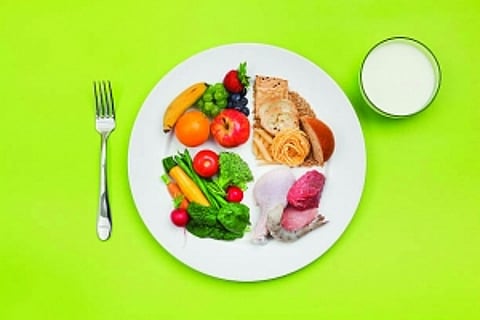

After a conversation with Dr Vishakha Shivdasani, Christy Varghese understands the importance of sticking to an anti-inflammatory diet amid the pandemic
At a time when COVID-19 has gripped our world, forcing us to frantically search for the best ways to survive and thrive, Dr Vishakha Shivdasani has written a book highlighting a six-point plan to help us accomplish just that. COVID and Post-COVID Recovery: Dr Vee’s 6-Point Plan touches on diet, gut health, sleep, exercise, stress management and supplements while looking closely at the connection between inflammation and immunity.
Using the same principles of healing that have helped thousands of her patients reverse chronic lifestyle diseases such as obesity, type-2 diabetes and PCOS, Dr Shivdasani has developed some easy-to-implement, practical strategies on how to expedite recovery from COVID-19 while reducing the chances of post-COVID complications.
“I will never tire of telling people that 70 per cent of their immune system is housed in their gut. We all need to take care of our gut health by watching what we eat and drink. Now, if you think having a turmeric and black pepper latte before you sleep will result in you waking up with the immunity of a superhero, I am afraid it is not as simple as that. You cannot boost your immunity overnight and anybody who tells you otherwise is pulling the wool over your eyes. Like most good things, immunity is something that one can only build over time,” she expressed. While Dr Shivdasani’s book highlights six multipurpose facets that can turn our health around, she feels that in these fast paced, uncertain times one cannot lay enough emphasis on what we eat.
“Little known fact, but do you know that bacteria housed in your gut produce over 90 per cent of your body’s supply of serotonin, the feel-good hormone? No, right? No one talks about the little things which are happening in the background. Everyone wants a quick fix. But alas, there is no alternative to this apart from taking care of your gut health. So many people out there are upset and frustrated as they are isolated at home in the backdrop of lockdowns that don’t seem to end. While there are a lot many factors involved in why someone is upset or depressed these times, what you eat can help in feeling better,” she added.
Dr Shivdasani shared an excerpt from her book which outlines a meal plan that one could follow throughout the day, with enough room for alternatives. She pointed out that an anti-inflammatory diet plan does not only help expedite recovery from the novel Coronavirus but will also help with comorbidities. like obesity or diabetes. Long-term adherence to this has resulted in the reversal of many chronic lifestyle diseases. Again, not something that happened overnight but with a sustained disciplined approach.
“To build your immunity, the most realistic approach would be to reduce inflammation and slowly, over a period of time, you build your immunity. But you need to reduce inflammation at the earliest and that is where the diet plan from my book comes in. We must understand that anything which reduces inflammation will enhance immunity. Once again, there is no quick fix that can help you with the cause of boosting immunity, it has to be a way of life, a lifestyle. However, if you follow this diet plan to the letter, you will start feeling the effects of this anti-inflammatory diet within a week, not months or years. If you wish to reclaim your health I would recommend you implement the six-point plan highlighted in my book,” she concluded.
Excerpt
An anti-inflammatory diet plan
This is a broad guideline. A diet plan for individuals may vary substantially based on a patient’s medical history and clinical examination. A good anti-inflammatory way to start the day is to begin it with turmeric (haldi) and black pepper. (Piperine, present in black pepper, enhances curcumin absorption in turmeric by up to 2,000 per cent. Combining these spices, therefore, magnifies their anti-inflammatory effects.) Can either mix both and drink; you can also add other anti-inflammatories like basil (tulsi) and ginger to a glass of water, boil, and drink.
Meal plan: Non-vegetarian
Breakfast
Two full eggs — protein and good fat — are a great way to begin the day. Don’t worry about cholesterol; you need good fats to balance the sugars and insulin. Protein will increase antibodies.
Note: Do not begin your day with carbohydrates. Have it during the second meal of the day if you must. No rice, poha, oats, fruits, or juices for breakfast.
Lunch
Any carbohydrate with a non-vegetarian dish and portion of leafy vegetables (in the ratio of 1:2 carbohydrate: protein). You can add a bowl of yogurt, which is rich in probiotics, for gut health.
Evening snack
A low glycaemic index fruit (apples, oranges, berries) and a handful of nuts or avocado or cheese and olives or hummus. Have it with a cup of green/white/matcha tea for its antioxidants and polyphenols. Avoid coffee if you have a racing heart rate or are anxious.
Dinner
Avoid carbohydrates; only protein and vegetables.
Note: Include at least one portion of a green leafy vegetable a day as it is a good source of magnesium which will not only help with insomnia but also with anxiety, stress, and cardiac problems. It is also a rich source of iron. Make sure you squeeze some lemon on it to help the absorption of iron; it will also help with fatigue and hair loss.
Meal plan: Vegetarian
Breakfast
Sprouts/a sprouted lentil pancake/almond milk smoothie (no sugar/honey/agave, but you can use berries).
Lunch
Rice and a lentil (this combination completes the amino acid profile and makes it a good quality protein) or any carbohydrate with leafy vegetables and protein. Some yogurt too.
Evening snack
A low glycaemic index fruit (apples, oranges, berries) and a handful of nuts or avocado or cheese and olives or hummus. Have it with a cup of green/white/matcha tea for its antioxidants and polyphenols. Avoid coffee if you have a racing heart rate or are anxious.
Dinner
One or more protein sources like cottage cheese/sprouts/mushrooms/tofu with one non-cereal carbohydrate i.e., vegetables in any form (soup/salad/stir-fry/ cooked veggies). Again, avoid cereals. Either cottage cheese/tofu with veggies/salad with cheese or soup and stir-fry/sprouts. Sprouts contain zinc, which is important for gut health and for COVID-19 patients experiencing loss of smell.
GUT HEALTH
‘Feed the good bacteria, starve the bad ones.’
Consider this: 70 per cent of our immune system is in our gut. That’s why taking care of our gut health is essential. Both good and bad bacteria live inside the gut, and what we eat predominately determines which of the two will flourish. My diet protocol promotes the feeding of good bacteria and starving of bad bacteria which, ultimately, promotes immunity.
Good bacteria strengthen immunity as they aid in fighting pathogens (like COVID-19). They also release toxins to counter the effects of the pathogens and send signals to the rest of the immune system, allowing it to mobilise an appropriate response.
Need another reason to keep the gut healthy? Depression, a recurrent symptom in COVID-19 patients, can be alleviated with a good healthy gut — where 90 per cent of serotonin, the ‘feel-good’ neurotransmitter, is produced. So, how do you promote a healthy gut?
(Dr Vishakha Shivdasani is a practising physician based in Mumbai with a fellowship in nutrition. The book, COVID and Post-COVID Recovery: DrVee’s 6-Point Plan, has been published by HarperCollins India.)