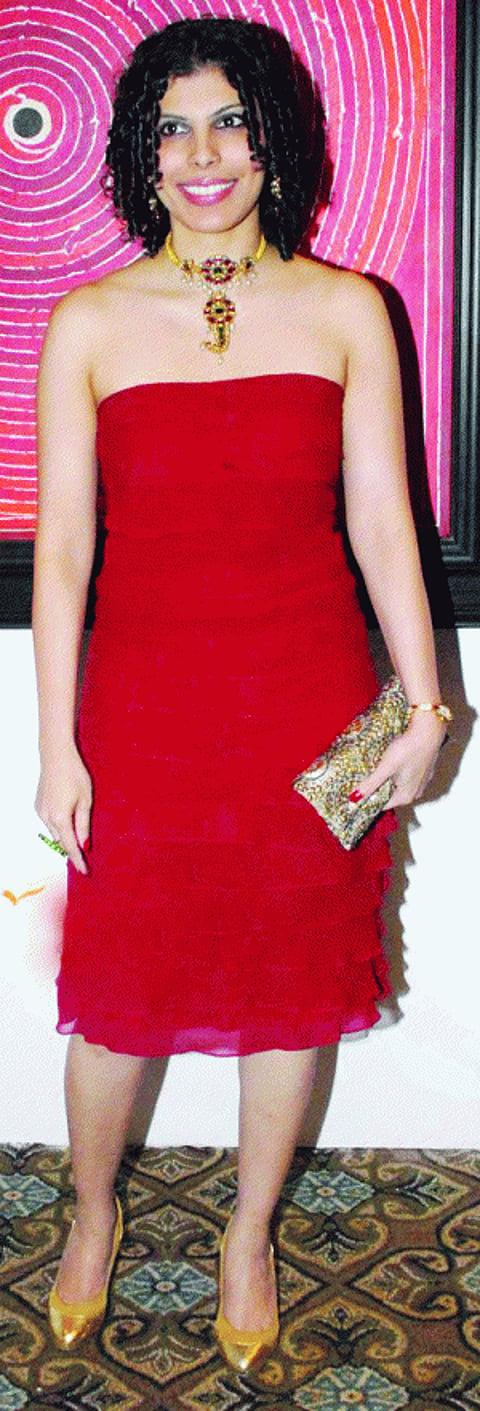

With her latest offering Waiting, Anu Menon continues to break the mould
What motivated you to bring in such a scriptIJ
It comes from a personal experience. My dad was in a hospital for a very long time and I was very young. The eight months of being plugged out of what you believe is normal, changed my life fundamentally. What struck me most was that in spite of the biggest tragedy hitting me, I always clung on to hope and humour. It wasn’t like we were sitting and crying all the time. Human instinct is to find relief. Even if you go in a refugee camp, you will find inmates playing cards and stuff. And that is the fundamental basis of this film, to find the courage of acceptance. The biggest realisation was that it didn’t kill me or my mother and we found our courage. Eventually we moved on. And the movie runs on the same emotions.
Your approach to this subject has been rather genderless and at a more humane level.
The film never talks about the two characters as a man and a woman. This is just how I write my characters. Most of the times I don’t even think that I’m reacting as a woman, I’m reacting as a person. So the first step towards femininity is to make yourself a person. like in my last film (london, Paris, New York) the girl was pretty unapologetic and flawed. So is this character. The problem with female-driven cinema is it’s still contextualised in patriarchy. I want to have a Wake Up Sandhya instead of Sid, where a girl’s biggest problem is finding a career for herself. You have to rise up to that hierarchy. Why should women be in context to menIJ So for me Waiting has just two characters, one is young and the other is old. It’s a coming of age for both of them. They both can learn something from each other.
Are there any expectations of being a woman director and if yes how do you demolish themIJ
I just write what comes to me and I stay true to my content. A lot of cinema is being made on racial and identity crisis but having operated in multiple cultures, that has never been an issue. I was always interested in universal stories. Of course, when you enter a room, you can sense people are already judging you. I don’t acknowledge it and just get on with it. There is just no other way. It surprises me that 99 per cent of female empowerment films are made by men. How many female-driven mainstream cinema can you think of made by a woman directorIJ Indie cinema is fairly levelled for both men and women, there you don’t have to fight any labels. Indie might be more gratifying but then again it’s got its own challenges like distribution. I’m sure Naseer didn’t even know who I was when I sent him the script. Though my graduation film had his daughter and he liked it, he didn’t remember who I was. But then he sent me a mail saying he loved the script and he would love to do the film. So when somebody is reacting to content and nothing else, then you can create real good cinema. Mainstream is more of a boy’s club and outsider women are bottom of the barrel. And when these people see a female director, they get all sorts of fear in their heads as to what kind of feminist movie will she make. You can see that fear on their faces. So technically these people are determining the narrative of what a woman wants. And I want to make positive stories about women, want to show happy women. We can’t project women as victims all the time as that is doing a disservice. I just want to make non-threatening movies where women can be who they are.
There’s a lot of talk about rural women. Very little gets talked about the city women.
It’s because it’s driven by men again. It’s not written by women. Piku is amazing because it has been written by a woman. For me it’s the most feminist film but still directed by a man. He did a good job as it was genderless. Similarly, in Margherita, the protagonist is unapologetic about her feelings though she is not expected to because she is challenged. We need more narratives like these.
So how do you feel when you are labelled as an all-woman team that has put together this projectIJ
I think we celebrated it. I don’t think you need to be defensive about anything. Any of these women didn’t come on board because they were women, it was just a coincidence. It just so happened that on set we were 80 per cent women who had qualified on their skill set.