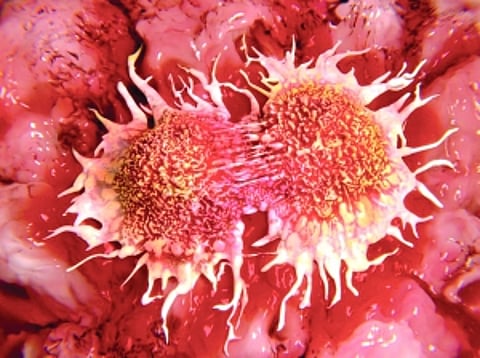

AI technique to treat cancer
MIT researchers have developed novel machine-learning techniques to improve the quality of life for patients by reducing toxic chemotherapy and radiotherapy dosing for an aggressive form of brain cancer. Glioblastoma is a malignant tumour that appears in the brain or spinal cord, and the prognosis for adults is no more than five years. Patients are generally administered maximum safe drug doses to shrink the tumour as much as possible, but they still remain at risk of debilitating side effects. The new “self-learning” machine-learning technique could make the dosing regimen less toxic but effective. It looks at the treatment regimen in use and finds an optimal treatment plan, with the lowest possible potency and frequency of doses that should still reduce tumour sizes to a degree comparable to that of traditional regimen. “We have to reduce tumour sizes but we also want to make sure the dosing toxicity doesn’t lead to overwhelming sickness,” said Pratik Shah, principal investigator, MIT.
Depressed teens, depressed parents
The bond between parents and children extends far beyond sharing similar looks or behaviours. A recent study links the symptoms of depression in teens and parents. According to Kelsey R Howard, MS of Northwestern University, when a teen’s depression improved through treatment, so did depression experienced by his or her parents. “More young people today are reporting persistent feelings of sadness and hopelessness and suicidal thoughts,” said Howard. He added, “At the same time, suicide rates have climbed in nearly all US States. This research may help healthcare providers as we grapple as a nation with how to address these alarming trends.”
Aspirin may help prevent HIV
An affordable, globally available drug — low-dose aspirin — could help prevent HIV transmission, scientists say. HIV infection rates remain unacceptably high, especially among young African women. Researchers, including those from University of Manitoba in Canada, tested the effect of acetylsalicylic acid (ASA or aspirin) and other anti-inflammatory drugs on HIV target cells in a group of Kenyan women who were at low risk for HIV. The pilot study, published in the Journal of the International AIDS Society, built on existing knowledge about the role of inflammation in HIV transmission. Transmission of the virus requires a susceptible target cell in the human host. Activated immune cells are more susceptible to HIV infection than resting cells. It is known that inflammation brings activated HIV target cells to the female genital tract.