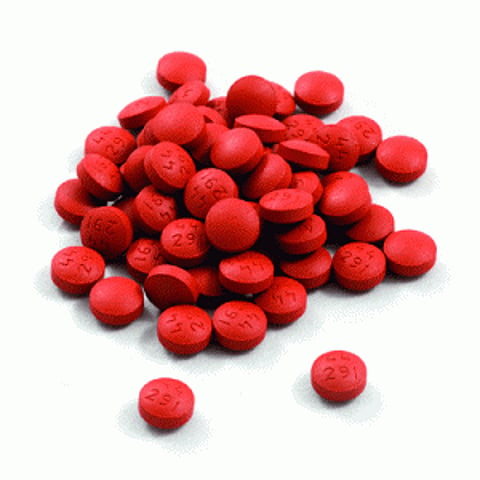

IBUPROFEN MAKES lUNGS YOUNGER
Tuberculosis affects both young and old but the two don’t fight off the infection in the same way. Add ibuprofen to the mix and lessen inflammation, and old lungs are able to deal with TB better, at a rate almost comparable to young lungs. In mice, at least, based on research by scientists from the Ohio State University, the theory holds true. It was no surprise to researchers that old mouse lungs have a harder time clearing out TB compared to their younger counterparts. Inflammation may be to blame all along. Comparing lung cells from old and young mice, researchers found out that old mouse lung cells had more active genes associated with inflammatory proteins interleukin-1 and 6, and tumor necrosis factor-alpha.
HIGH AlCOHOl lINKED TO HPV INFECTION
A high alcohol intake is linked to a heightened risk of human papillomavirus (HPV) infection among men, suggests a new study. Researchers wanted to find out if there was any association between drinking patterns and susceptibility to HPV infection. The research included 1,313 men who were already taking part in the US arm of the HPV in Men (HIM) study, an international study that is tracking the natural history of HPV infection in men. Participants filled in extensive questionnaires on their sexual history and diet in the preceding 12 months. The food frequency questionnaire also asked about alcohol, including serving size, frequency, and type. The men underwent a medical examination two weeks before the start of the study, and then every six months afterwards.
NEEDlE-COATED PIllS FOR INJECTIONSIJ
A pill coated with tiny needles that can deliver drugs directly into the lining of the digestive tract has been developed by scientists, an advance that may eliminate the need for injections. In animal studies, researchers at Massachusetts Institute of Technology (MIT) and Massachusetts General Hospital (MGH) found that the capsule delivered insulin more efficiently than injection under the skin, and there were no harmful side effects as the capsule passed through the digestive system. “This could be a way that the patient can circumvent the need to have an infusion or subcutaneous administration of a drug,” said Giovanni Traverso, a research fellow at MIT’s Koch Institute for Integrative Cancer Research, and one of the lead authors of the study.