
- HOME
- INDIA
- WORLD
- BUSINESS
- STATES
- LAW & JUSTICE
- ENTERTAINMENT
- SPORTS
- VIEWPOINT
- LIFESTYLE
- TECH
Organisers of the sixth Sanskriti Sansad have announced that the three-day event in Varanasi, from November 3 to 5, will focus on three main themes. These include the formal launch of a voluntary Hindu code of conduct, an international effort to find and collect Manusmriti manuscripts, and concerns about street protests that often happen during major Hindu festivals and are sometimes connected to calls for “regime change.”
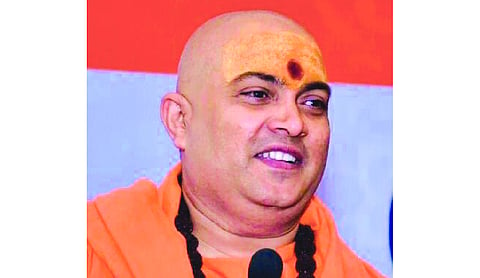
At a press conference in the city, Swami Jitendranand Saraswati said the Hindu Achar Sanhita will be introduced during the sessions. He emphasised that following the code is voluntary and that it will suggest standards for personal, social, and ritual conduct for those who choose to adopt them. The code will not be imposed on anyone.
Organisers have not released a draft yet and said they will decide and present the final version at the Sansad after more discussion among participants.
Another key element of the project is a scheme to gather Manusmriti manuscripts from libraries, private collections and archives abroad. The organisers make it clear that this is a long-term scholarly exercise in preserving the text rather than a scheme to retrieve a copy. The intention is to assemble as many versions as possible to facilitate comparative study of the text’s history and help safeguard the fragile copies from further damage or loss.
They have not yet shared which institutions they will contact, but the project will likely reach out to repositories in Europe, North America, and other places that hold Sanskrit materials.
The third main topic is recent protests that organisers link to political slogans for “regime change”, and that often happen during Hindu festival seasons. Swami Saraswati and other speakers said these protests disrupt processions, temple events, and public gatherings that are important to communities. The Sansad will hear reports on these incidents, consider how they affect worshippers, and discuss ways communities can protect festivals while staying within the law. Organisers see this as an ongoing challenge to religious life, not just a political issue.
The Varanasi meeting follows several previous Sanskriti Sansad meetings that have focused on cultural, educational, and social issues from a Hindu point of view. This year the emphasis is on tangible outcomes: producing a written code of conduct for the advisory committee, efforts to recover the classical texts and a direct response to the political protests that take place during the festivals.
Academics, religious figures, and cultural activists will attend the event. It will feature formal announcements as well as private discussions on the details of the Achar Sanhita and how the manuscripts will be collected. On the protest issue, the organisers expect to discuss how to record incidents, what legal options the festival organisers have, and how to reduce conflict while still enabling peaceful protest.