
Yet another unsavoury remark from the DMK irks sensible Indians and sits in favour of BJP
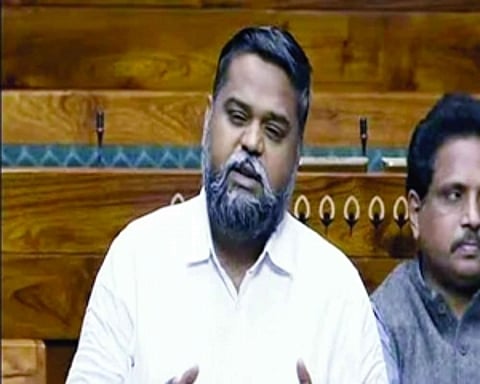
The DMK, the ruling party in Tamil Nadu, recently touched a raw nerve with its MP DNV Senthilkumar referring to the Hindi heartland as "Gaumutra States", though better sense soon prevailed and he apologised for the remark. However, the damage has been done and it would take some time for the DMK’s partners to douse the fire. Anyway, it is not the first time the party has indulged in such capers. The latest remark which carries a derogatory connotation, seen in conjunction with Chief Minister MK Stalin son Udhayanidhi's criticism earlier of Sanatan Dharma, raises questions about the DMK's stance on cultural and religious diversity in India. While the context in which the term was used is crucial, people have interpreted it as an attempt to belittle the cultural and linguistic diversity of the northern States. Earlier, Udhayanidhi's unflattering utterances had drawn criticism from various quarters, with accusations of religious insensitivity and intolerance flying thick and fast. The DMK, historically known for its opposition to the perceived imposition of Hindi and Brahminical practices, has seemingly extended its critique to cultural and religious aspects as well. The party has a long history of championing Dravidian identity and opposing what it sees as the cultural hegemony of north India. The DMK was founded on the principles of social justice, self-respect and anti-Brahminism. Its roots lie in opposing the 'imposition' of Hindi as the sole official language, leading to the ill-famed anti-Hindi agitation in Tamil Nadu in the 1960s.
The recent remarks, however, seem to have moved beyond the linguistic and cultural debate and entered the realm of religious sensitivity, or the lack thereof. The DMK, by identifying the Hindi heartland as "Gaumutra States" and expressing criticism of Sanatan Dharma, risks alienating a significant chunk of Indian population that identifies with these cultural and religious aspects. The DMK's comments have naturally elicited strong reactions from political opponents, cultural groups and religious leaders across the country. Critics argue that such statements contribute to the polarisation of the diverse Indian society and undermine the principles of unity in diversity. The political fallout of these remarks could affect the DMK's alliances and relationships with parties outside Tamil Nadu. Its recent jibes against the Hindi heartland and its criticism of Sanatan Dharma have ignited a contentious debate on its stance on cultural and religious diversity. The DMK leaders must understand that such utterances do nobody any good, politically or otherwise. These would be construed as an attack on Hinduism and would then be difficult for the INDIA bloc to defend, of which the DMK is a part. The latest comments have gone beyond the traditional boundaries of political discourse. As parties play a crucial role in shaping public opinion, it is essential for their leaders to speak carefully, fostering unity and understanding rather than deepening the divides.
