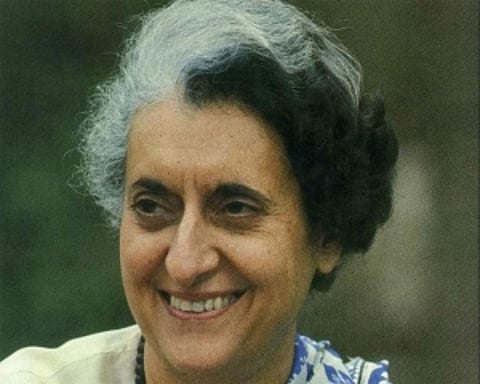

A tableau depicting the assassination of Indira Gandhi in Canada is not the done thing
A controversial tableau depicting the assassination of former Indian Prime Minister Indira Gandhi has sparked widespread debate and outrage, especially in Canada and India. The tableau, displayed during a cultural event, has ignited discussions surrounding artistic freedom, historical sensitivity and the limits of expression. Indira Gandhi was assassinated by her bodyguards on October 31, 1984. It was their response to her government's operation against militants hiding in Golden Temple, Amritsar. The assassination had profound repercussions, including widespread violence and riots targeting the Sikh community across India. Recently, during a cultural event in Canada, a tableau depicting the assassination of Indira Gandhi was showcased. The tableau featured actors dressed as assassins, reenacting the tragic event. The inclusion of such a portrayal in a public setting has ignited a firestorm of criticism, with both the Indian diaspora and the broader Canadian public expressing outrage. Leave alone the rationale of showing such a tableau; it was at best a peevish attempt to glorify the event. No matter how opposed you might be to your opponent, trampling graves is never the done thing. The tableau showed a lack of sensitivity and respect for a painful moment in Indian history. The assassination of Indira Gandhi was a traumatic event that claimed the life of a prominent leader and led to communal violence. The reenactment of this event, especially without proper context, is the trivialisation of the suffering caused.
Moreover, it opens up wounds of an event that took place 39 years ago. Not only does it put Sikhs in a bad light, creating a notion that all of them supported the assassination, but also makes them suffer all over again. The tableau has also drawn condemnation for perpetuating negative stereotypes and stigmatising the Sikh community. Sikhism is a peaceful religion, and the actions of a few individuals do not represent the beliefs and values of an entire community. Associating Sikhs with violence through such a portrayal exacerbates existing prejudices and can lead to increased discrimination. This is not to say that artistic expression should not be protected, but it should not border sadism and should not celebrate vicious campaigns. Striking a balance between artistic expression and cultural sensitivity remains a challenge in an increasingly interconnected and diverse world. It is crucial to continue engaging in dialogue to foster understanding and mutual respect while upholding the principles of freedom of expression. In this context, External Affairs Minister S Jaishankar has done the right thing and issued a statement condemning the depiction, saying it was in bad taste and would harm India-Canada relations. It goes without saying that the Minister rose above the party line and talked about the image of the country, for which he needs to be complimented.