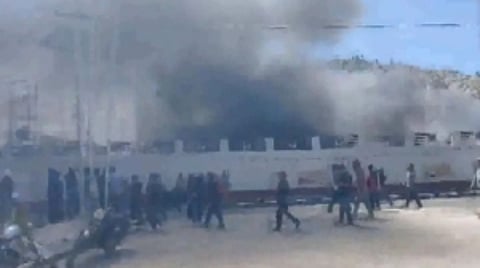

The trouble has been brewing in Ladakh for quite some time now. Ever since Article 370 was abrogated, people have been demanding more autonomy so that they can have more tailored policies that address their specific problems. So far, the protests have been peaceful, but now it looks like people are losing their patience. At least four people were killed and over a hundred were injured in Leh this week after protests demanding full statehood and constitutional safeguards turned violent.
Ladakh, a Union Territory of India since August 5, 2019, was carved out of the erstwhile state of Jammu and Kashmir after the abrogation of Article 370. Unlike many other UTs, it has no legislature and is governed directly by the Centre, with local matters partly managed by the Autonomous Hill Development Councils of Leh and Kargil. However, growing demands for greater autonomy persist. Local groups seek full statehood, inclusion under the Sixth Schedule for tribal protections, and stronger safeguards for land, jobs, and culture.
The absence of safeguards for land, jobs, and culture has led to frustration among the youth who have to seek jobs outside. Ladakh’s population is small and its ecological balance fragile. Fears that outsiders might dominate the job market, purchase land, or dilute cultural traditions have become central to the political discourse. Unemployment among Ladakhi youth has only deepened the anger.
Over the past two years, this discontent has expressed itself through hunger strikes, long agitation, and periodic shutdowns. Activist Sonam Wangchuk has become the face of the movement, drawing public attention with his fasts and appeals for justice. The Government did respond with partial measures, including new rules that allowed up to 85 per cent reservation in jobs, recognised five official languages, and mandated a fifteen-year residency for domicile.
However, these steps fell short of the core demand for statehood and constitutional guarantees. When two activists were hospitalised during Wangchuk’s hunger strike, thousands of frustrated youth spilt onto the streets. The Government must realise that this is not a separatist movement; it is a demand for dignity, representation, and security within the Indian Union. To dismiss these protests fanned by local leaders is to brush the core issue under the carpet, which will not work. Ladakh borders China and Pakistan, and alienating its people carries strategic risks India can ill afford. So far, the government has resorted to policing to contain the movement, which only aggravates the situation rather than soothe the tempers. What Ladakh needs is not suspicion and a bureaucratic approach but trust and empowerment. Only then can this region feel truly at home in the Indian democracy.