Winning elections just start of next battle: Lal Singh
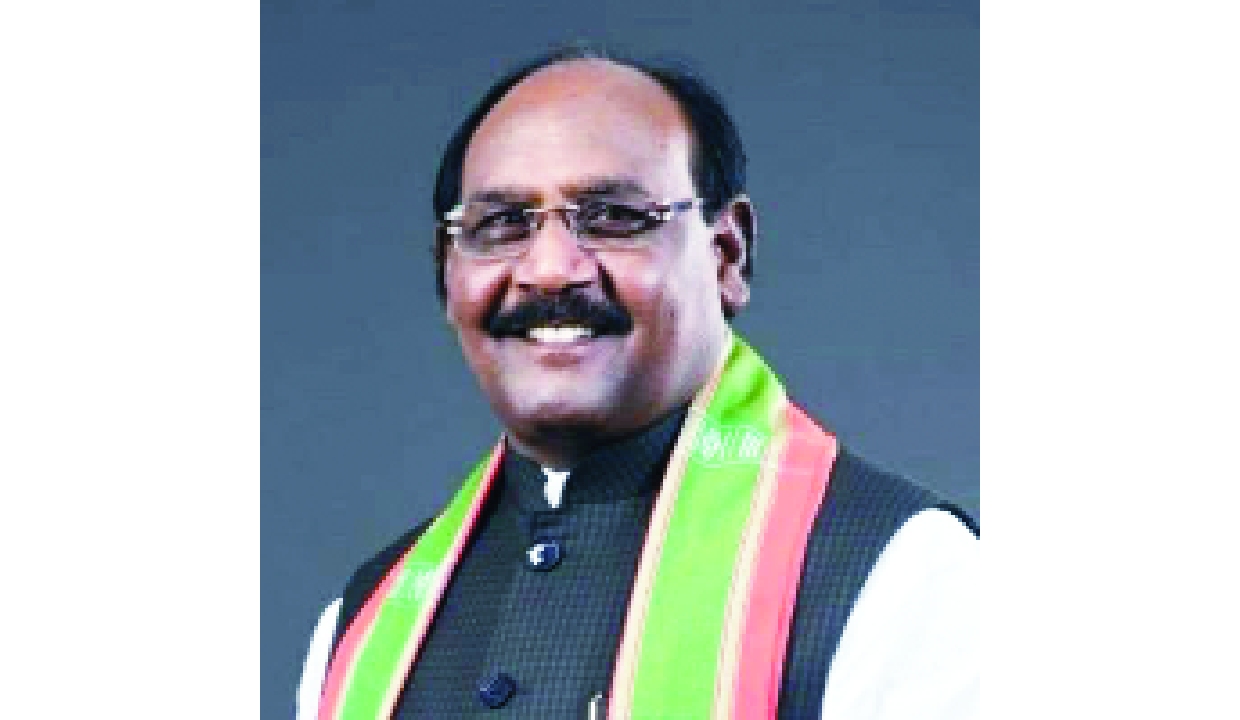
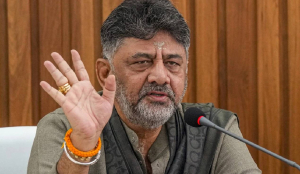
In the corridors of the Bharatiya Janata Party, winning an election has never been the finish line. It is, as the party’s newly appointed national vice president Lal Singh Arya describes it, merely the starting gun for the next one.
Days after being elevated from national president of the party’s Scheduled Caste Morcha to one of 13 national vice presidents under BJP chief Nitin Nabin, Arya used his first detailed interview since the promotion to lay out a philosophy that has powered his party’s rise across the country: govern as if the next election has already begun. “For us, an election is never a one-time event,” Arya said. “The day we win, we go back into campaign mode. We serve people honestly, we deliver development, and we keep winning their trust. That is the method. That is the mantra we all follow.”
It is a claim that, coming from a lesser leader, might sound like routine political posturing. But Arya backed it with numbers that are difficult to dismiss. The BJP today leads NDA Governments in 22 states, he pointed out, and is on course for an unprecedented third consecutive term at the Centre, a feat only a handful of parties in India’s democratic history have managed.
“This did not happen by chance,” Arya said. “A party whose roots run deep, that has struggled, built its own traditions, and won the hearts of ordinary people over decades, does not treat elections as occasional battles. It treats every day as preparation.”
He went further, suggesting the BJP’s ambitions are not limited to States it already governs. In states where the party is yet to form a Government, he said, a shift is quietly underway. People, he claimed, are increasingly convinced that only the BJP can deliver the development their States need, and it is only a matter of time before that sentiment translates into votes.
Asked how the party decides who gets what responsibility, an especially pointed question given his own journey from a caste-specific organisational post to a mainstream leadership role, Arya offered a glimpse into how the BJP’s internal machinery works. He described it as a system of quiet observation, where the party watches how a worker performs before deciding where to place him next. “The party decides, I execute,” he said. “It is like choosing the right soldier for the right post, someone who can actually deliver on what is expected of him.”
The conversation then turned to an unlikely chapter in Arya’s own political career, one that still draws curious smiles from journalists and colleagues alike. Long before he became a national vice president, Arya served as India’s first-ever Happiness Minister, heading a newly created department in the Madhya Pradesh Government under then chief minister Shivraj Singh Chouhan.
It was, by his own admission, a portfolio that invited plenty of scepticism when it was announced. “People used to ask me, quite openly, what does a Happiness Ministry even do,” Arya recalled, with what appeared to be a mix of amusement and pride. “Even people close to me weren’t sure if it was a serious department or just an unusual title someone had dreamed up.”
He credited Chouhan with the original vision behind the idea, describing it as an experiment in governance that looked beyond roads and infrastructure to something harder to measure, public wellbeing itself. Despite the early mockery, Arya insisted the department carried out real initiatives during his tenure, and predicted that India would slowly come to appreciate the value of Governments thinking about happiness as seriously as they think about growth.
For a leader who has spent decades in the trenches of Madhya Pradesh politics and five years building the BJP’s Dalit outreach machinery nationally, the message in this interview was unmistakable.
In Arya’s BJP, there is no such thing as a party at rest, only a party perpetually campaigning for the next mandate.