Why the national flag is hoisted on Independence Day but unfurled on Republic Day?
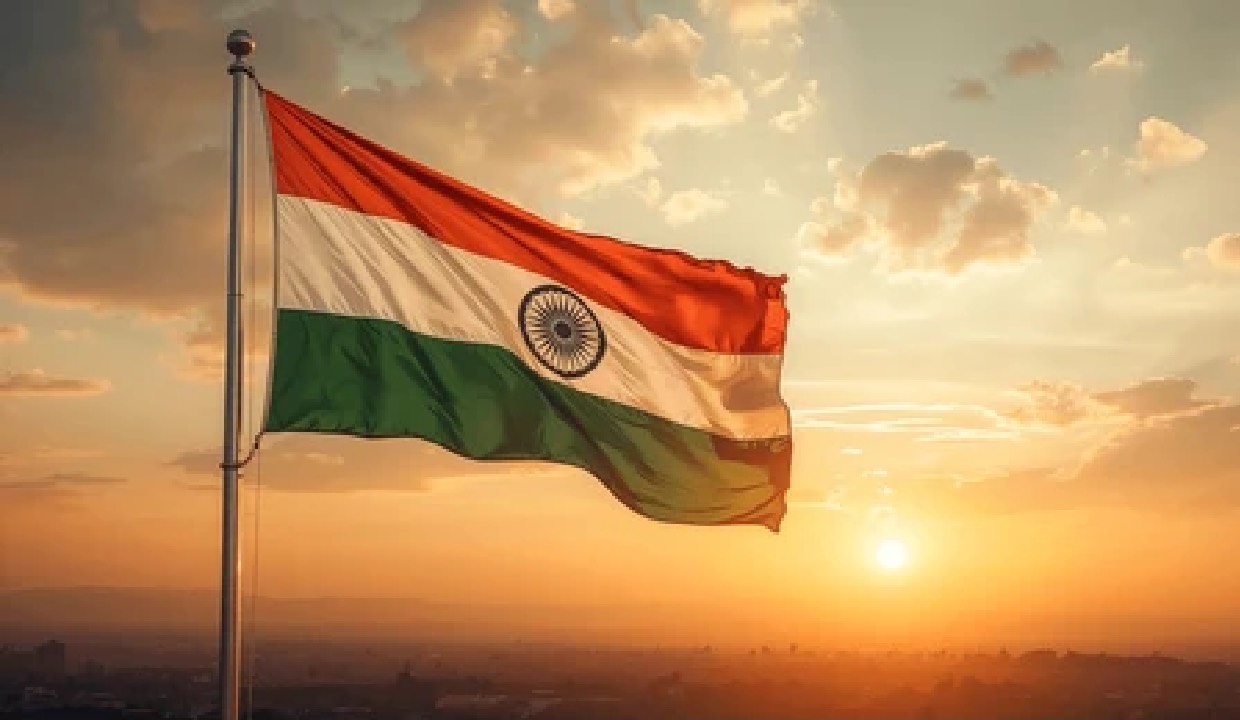
The national flag takes centre stage on both Independence Day and Republic Day, but it is not displayed the same way on each event. Prime Minister Narendra Modi hoisted the Tricolour at the Red Fort on Saturday, Aug 15 as India marked its 80th Independence Day, an act that is different from the one the President performs at Kartavya Path every Republic Day.
The distinction comes down to where the flag starts. On Independence Day the Tricolour is placed at the bottom of the pole and is then raised to the top by the Prime Minister as the upward movement marks the birth of a free nation and India's break from two centuries of colonial rule. On Republic Day the flag is already tied as a bundle at the top of the pole and the President unfurls it rather than hoisting it from the base. The reasoning is simple as India was already an independent country by 1950 so there was no need to raise a flag that already flew high as the symbol of a sovereign state. It is instead opened out to mark the moment the Constitution came into force.
The difference in who performs each ceremony traces back to 1947. At the first Independence Day India had no President yet. Lord Mountbatten was still Governor-General so the Prime Minister hoisted the flag and the convention has been held ever since. The President now unfurls the flag on Republic Day instead as that day marks India's constitutional identity rather than the act of gaining freedom itself.