When no one owns the problem

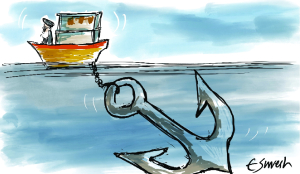
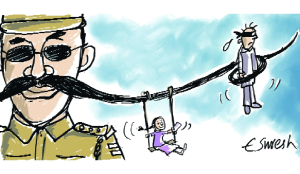
A recent experience made me wonder whether, in our increasing dependence on technology and standardised processes, we are creating systems in which everyone performs an assigned role but no one owns the problem.
Before travelling abroad for a couple of weeks, I ordered a Realme mobile phone through Amazon. I did not want to risk travelling with a phone that had begun troubling me. I followed the instructions to transfer my data, only to discover that the new phone would not switch on. I took it to an authorised Realme service centre. After a long wait on the first day, I was asked to return the following morning. Eventually, I was told that the problem was beyond the capabilities of the centre and that I should return the phone to Amazon.
During my wait, I noticed several other irate customers. Some appeared to be daily-wage earners, conscious that every hour spent waiting meant lost income. A few struggled to communicate their problems and were asked to return another day. I could afford the time and had the confidence to persist. I wondered how easily they could.
Amazon scheduled the pickup for the day I was travelling. Since I was leaving early, the customer-service executive suggested that I leave the phone with a neighbour. After reaching my destination, I checked with the neighbour. The phone had been collected.
Later that evening, however, I received a message saying that the pickup could not be completed because I was unavailable. From overseas, I tried contacting customer service. Automated calls offered no opportunity to explain the situation. Emails promised that an executive would contact me. Nobody did.
An escalation email directed me back to the same helpline. On returning to India, I resumed my calls. The system continued to maintain that the phone had not been collected. Eventually, I traced the pickup person through our condominium records. He remembered collecting it and, after checking, told me that the phone had been lying in the warehouse for almost a month.
It could not be verified because it could not be switched on. That was precisely why I had returned it!
I called Amazon again. The executive was categorical that nothing could be done. Even speaking to a senior, I was told, would make little difference. I then mentioned that I understood such calls were recorded and that, if nobody could resolve the matter, I might have to consider legal recourse.
Things suddenly began to move. Someone contacted me, the pickup details were verified, and after another round of follow-up, my money was refunded.
My purpose in recounting this experience is not merely to complain about a defective phone or poor service. Each person appeared constrained by the part of the system visible to them.
And still, for almost a month, the problem belonged to nobody.
More troubling is what happens to those who do not have the time, confidence or resources to persist. Technology and standardised processes allow large organisations to handle millions of transactions efficiently. They are indispensable. But systems inevitably encounter situations they were not designed to anticipate.
At that moment, someone needs both the willingness and the authority to look beyond the screen and ask whether what the system is saying actually makes sense.
Perhaps the true test of a good system is not how smoothly it handles the routine, but how humanely it responds when something goes wrong.
Ultimately, someone must be willing to own the problem.
Leave a Comment
Comments (2)
What moved me was this line, 'And still, for almost a month, the problem belonged to nobody.' Every system ever built is fallible. No emotion, no ethics and certainly no validation. I agree but beg to differ. We need good men and women. Thank you for sharing.
Millions, including me face the same problem of a non-communicative, insensitive communication system, every day. Hope the technology that has made humans helpless, will someday solve this problem also.