West Asia conflict worsens African economy
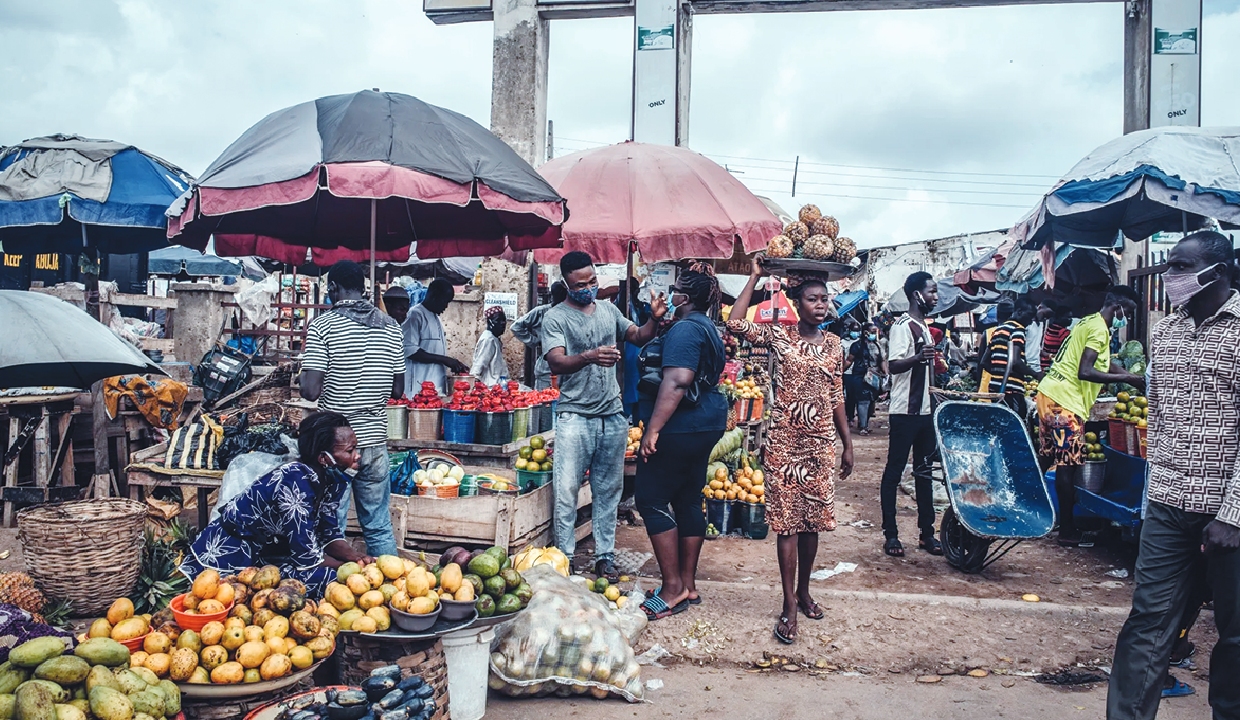
Lagos taxi driver Adegbola Isaac went to the gas station twice last weekend. Each time, the price in the Nigerian city had climbed further and hit 1,350 naira (USD 0.99) per litre, a nearly 35 per cent increase since the Iran war started. That’s wiped out most of his daily profit. “It is hitting hard,” Isaac said.
Like many people across the world, Isaac is one of millions across Africa who are reeling from the economic impacts of the faraway conflict in the Middle East, which began on February 28 with joint US-Israeli strikes on Iran.
For many Africans, the fuel price hike because of the Strait of Hormuz being largely closed off worsens the hardships they already struggle with in some of the world’s poorest households.
The latest shock also isn’t isolated. Africa is hurting again from another global crisis it had no part in starting. From the COVID-19 pandemic to the war in Ukraine and now the Middle East conflict, the world’s fastest-growing continent - with a population rivalling China and India - is at the painful end of ripple effects that include a global scramble for critical resources like fuel and fertiliser. With the majority of African countries being net importers of refined oil products, the impact has been swift, leading to rising retail fuel prices in Africa and associated increases in the costs of most goods and services.
Experts say African countries are critically integrated into global economies and are exposed to global shocks because of their dependence on major economies.
The United Nations on Friday said it is pursuing a way to allow fertiliser to resume safe transit through the Strait of Hormuz, hoping it would build confidence in wider diplomatic efforts around the Iran war.
Africa is the epicentre of crises. According to a 2025 report by the UN Trade and Development, or UNCTAD, which describes Africa as “the epicentre of overlapping global crises,” more than half of the continent’s imports and exports are with five non-African countries. All of Kenya’s fuel comes from the Middle East, particularly from the United Arab Emirates, with its fuel retailers saying 20 per cent of the country’s outlets are already affected. Uganda’s fuel stock was initially projected to last a few weeks.