US house passes bill giving Trump power to impose 100% tariffs on India, China over Russian energy purchases
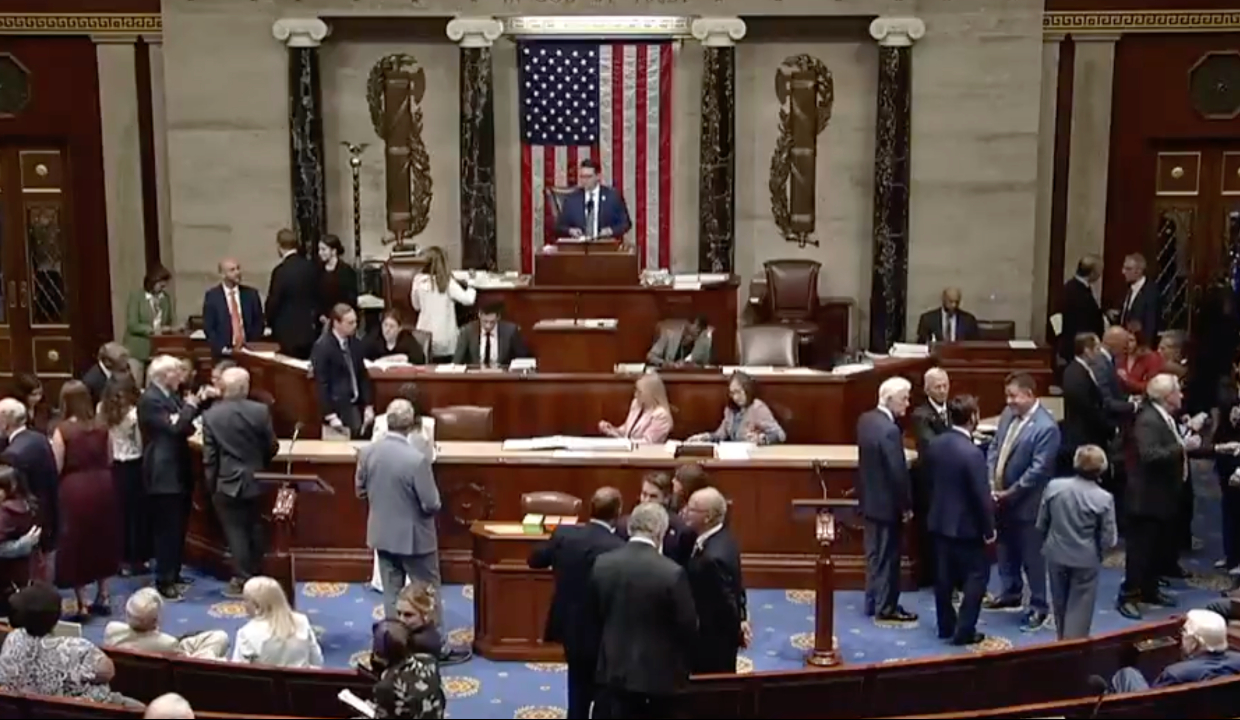
The US House of Representatives passed a sweeping Russia sanctions bill on Wednesday, September 16, that grants President Donald Trump new authority to impose tariffs of up to 100 per cent on countries that continue buying Russian oil and gas, including India and China. The bill now heads to Trump's desk, and he is expected to sign it.
The House voted 262-159 to pass the Senate's version of the bill without changes, with 58 Democrats crossing over to support it alongside most Republicans, while seven Republicans voted against it. The Senate had passed the legislation with overwhelming bipartisan support, 86-11, in August.
Titled the Lindsey O. Graham Sanctioning Russia and Iran Act of 2026, the bill is named for the late Republican senator from South Carolina, a longtime champion of the measure who died in July. His death is widely seen as having given the legislation fresh momentum in Congress.
Under the bill, the president would be authorised to impose tariffs of up to 100 per cent on goods from the five largest importers of Russian crude oil or natural gas by volume, as well as countries found to be helping Russia evade existing energy sanctions. China and India are currently the two largest buyers of Russian crude oil, according to the Centre for Research on Energy and Clean Air, making them likely candidates under the bill's criteria, though the legislation identifies countries by trade volume rather than naming them directly. The bill includes an exemption for countries that import less than 15 per cent of their natural gas from Russia and are taking "significant" steps to further cut those imports.
Beyond the tariff provisions, the legislation imposes sanctions directly on Russian President Vladimir Putin, senior officials in his government, Russian oligarchs, and Russian banks and financial institutions, aimed at curbing the revenue streams funding Moscow's war in Ukraine. It also extends sanctions on Iran's energy and weapons sectors, at Trump's request, through 2031, and includes sanctions authority targeting those responsible for the abduction of Ukrainian children.
The bill faced notable pushback from House Democratic leadership over its expansion of presidential tariff power. House Minority Leader Hakeem Jeffries argued the legislation contained loopholes and did not mandate sanctions on Russia, while Representative Gregory Meeks, the top Democrat on the House Foreign Affairs Committee, said he supported additional pressure on Moscow but opposed the bill as written. The Atlantic Council has noted the bill would allow the Trump administration to impose 100 per cent tariffs on Chinese imports specifically on national security grounds tied to Russian oil purchases.
With Trump expected to sign the bill into law, the tariff authority adds a fresh layer of uncertainty to India-US trade relations, which have already been strained this year by earlier tariffs Trump imposed directly, citing India's Russian oil and defence purchases.