US administration launches probe into foreign manufacturing practices
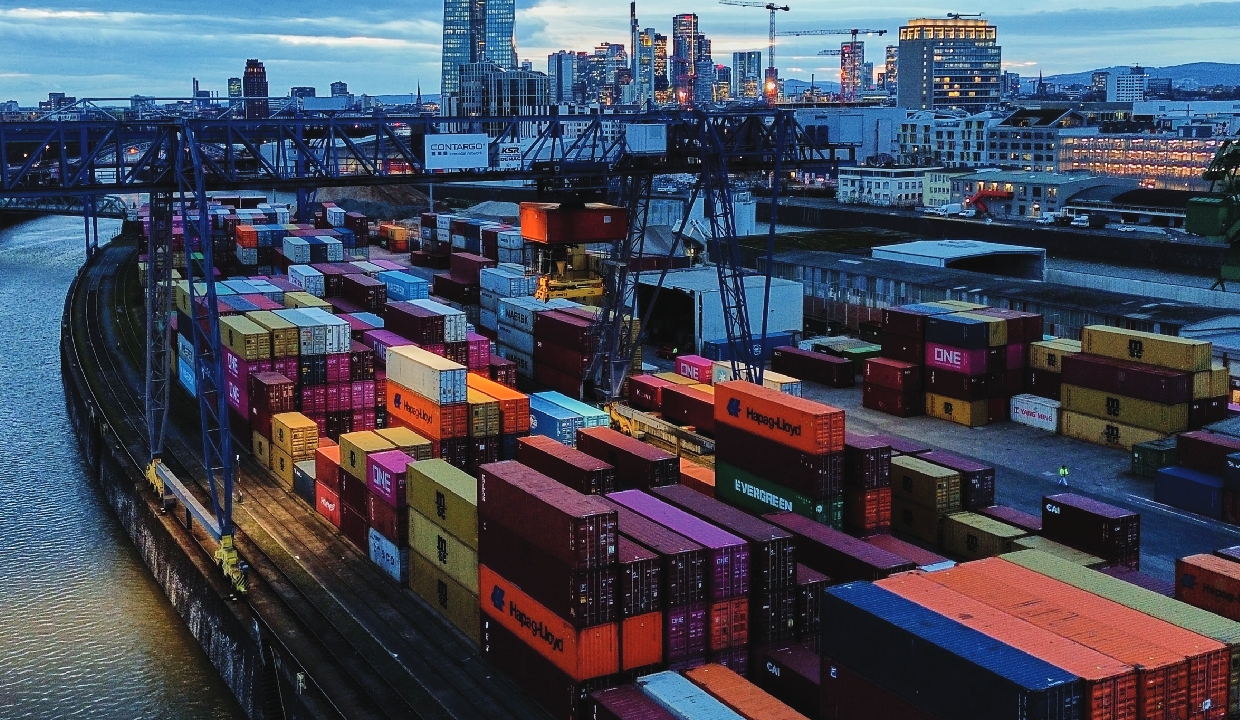
The Trump administration opened a new trade investigation into manufacturing in foreign countries - an effort that comes after the Supreme Court struck down President Donald Trump’s previous use of tariffs by declaring an economic emergency.
Trump and his team have made clear that they’re seeking to replace the hundreds of billions of dollars in lost revenues after the Supreme Court’s February ruling by using different laws to establish new tariffs.
In this case, the administration is starting investigations under Section 301 of the Trade Act of 1974, which could eventually lead to new import taxes. But US Trade Representative Jamieson Greer, in a Wednesday call with reporters, said he didn’t want to prejudge the outcome of the process. “The policy remains the same - the tools may change depending on, you know, the vagaries of courts and other things,” said Greer, stressing that the goal was to protect American jobs. The start of the process to fully replace Trump’s prior tariffs could invite a return of much of the drama that rattled the global economy last year.
The since-overturned tariffs led to new frameworks with US trade partners - and it’s unclear what impact a new set of import taxes could have on those agreements. Greer described the trade frameworks as standing on their own and suggested they were separate from the new investigation.
This new set of tariffs could play out against the backdrop of a war in Iran and midterm elections in which Democrats are running against Trump’s Republican allies by emphasising that the public is owed tariff refunds following the Supreme Court decision.
Greer said that the investigation would examine excess industrial capacity and government backing that could give foreign companies an unfair advantage over US companies.
The entities subject to the investigation include China, the European Union, Singapore, Switzerland, Norway, Indonesia, Malaysia, Cambodia, Thailand, South Korea, Vietnam, the self-governing island of Taiwan, Bangladesh, Mexico, Japan and India. The government is looking for what it deems to be persistent trade surpluses with the US and policies such as subsidies and the suppression of workers’ wages, among other factors.
The administration is also rolling out a Section 301 investigation to ban the importing of goods made by forced labour.
Greer indicated that there could be additional Section 301 investigations over issues such as digital service taxes, pharmaceutical drug pricing and ocean pollution, among other possibilities. The Commerce Department has separate trade investigations under Section 232 of the 1962 Trade Expansion Act.