TS ePASS DBT row: UoH students protest upfront fee demand, seek registration extension
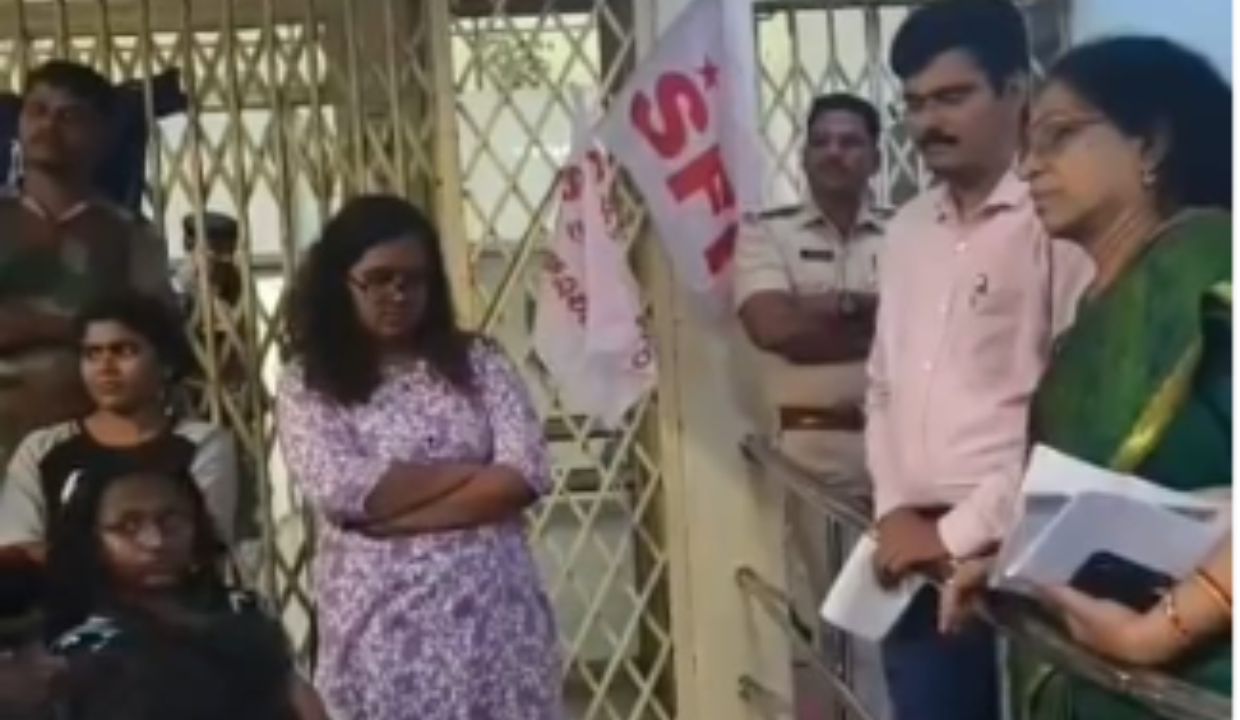
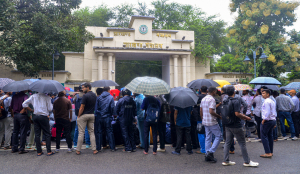
Students at the University of Hyderabad are continuing their protest over the Direct Benefit Transfer (DBT) model for TS ePASS scholarships, after the administration allegedly said students receiving the scholarships would not be allowed to register for the semester if they do not pay their fees upfront before the August 20 deadline.
The protesting students allege the Dean of Student Welfare (DSW) and other university officials told them that the TS ePASS guidelines do not apply to the University of Hyderabad.
The University of Hyderabad's own website lists Telangana ePASS scholarships for SC, ST, BC, EBC, minority and disabled students, while a Telangana government circular issued in March 2025 specifically directed universities and heads of institutions to ensure that eligible SC students register on the ePASS portal.
The students also alleged that the administration said the registration deadline would not be extended, leading to heightened anxieties among student communities.The students have decided to continue their protest outside the university administration building until the issue is resolved.
The Ambedkar Students' Association (ASA), Bahujan Students' Front (BSF), Dalit Students' Union (DSU), Students' Federation of India (SFI) and Tribal Students' Federation (TSF) have also urged the Telangana government to reconsider the system.
In a joint representation to Social Welfare Minister Adluri Laxman Kumar on Wednesday, the groups said the DBT system shifts the financial burden of education onto students who are supposed to receive state support.
The students' claim comes amid a dispute over whether institutions can require TS ePASS beneficiaries to pay fees upfront when their scholarship amounts are yet to be credited through DBT.
The students cited TS ePASS guidelines which, they said, allow institutions, including central universities, to permit eligible students to pay the fee within seven days after the government credits the scholarship amount through DBT. The university administration has not yet responded to the allegations.
Why students are opposing the DBT model
Eligible students are being asked by the administration to pay tuition and other fees before the scholarship amount is reimbursed to their Aadhaar-linked bank accounts.
The groups said this is particularly difficult for students from Scheduled Caste, Scheduled Tribe, Backward Class, Economically Backward Class, minority and disabled communities, many of whom come from economically weaker households.
"Students from SC, ST, BC, EBC, Minority, and Disabled backgrounds are overwhelmingly from economically weaker households," the organisations said in their representation.
They warned that families may have to borrow money or sell assets to arrange fees upfront. First-generation learners, the representation said, often lack access to credit or financial support, making the requirement a potential barrier to continuing education.
The groups also flagged delays in scholarship reimbursements caused by Aadhaar mismatches, bank-linking problems, portal issues and other administrative bottlenecks. Such delays can leave students unable to clear institutional dues and, in some cases, at risk of being denied hall tickets, examinations or academic records.
Protestors argue that this makes the DBT model particularly risky for marginalised sections, especially when the administration is unwilling to accommodate students awaiting scholarship reimbursements.
"A scholarship intended to remove the financial barrier to education could instead require students to first overcome that barrier themselves," the statement reads. They also said students are being left to resolve technical and administrative problems related to Aadhaar, the Aadhaar Payment Bridge System and bank accounts, adding to financial and academic stress.
What UoH's fees policy says
The representation cited a recent decision of the University of Hyderabad's Academic Council as an example of the impact of the policy. According to the protesting groups, Academic Council Item No. AC:97:2026:04 followed Telangana government's G.O.Ms. No. 6, dated Sept 6, 2024, which mandated DBT payments.
The organisations said the university has since stopped treating SC students as "scholarship holders" for fee concessions and requires them to pay fees upfront, placing them on par with unreserved-category students. The protesting students argue that this effectively transfers the state's welfare responsibility to students.
What protesting students want
The groups have asked the government to restore direct transfers of tuition-fee components to educational institutions while retaining Aadhaar-based verification. They have also sought binding guidelines requiring institutions to provide fee concessions or defer payment until reimbursements are received.
Other demands include a 60-90 day deadline for DBT payments, a public dashboard showing pending reimbursements, time-bound grievance redressal for technical problems and directions preventing institutions from denying examinations, hall tickets or academic records because of pending reimbursements.
The organisations said the government should also review institutional decisions withdrawing fee concessions following the implementation of DBT.
The groups warned that unless the system is revised, students who depend on scholarships to access higher education could face a choice between arranging money they do not have and risking disruption or even discontinuation of their education.
Attempts were made to reach the University of Hyderabad Registrar for a response to the students' allegations but the Registrar did not respond to requests for comment.
The copy will be updated if a response is received.