UN: Trust is running out, reforms cannot wait
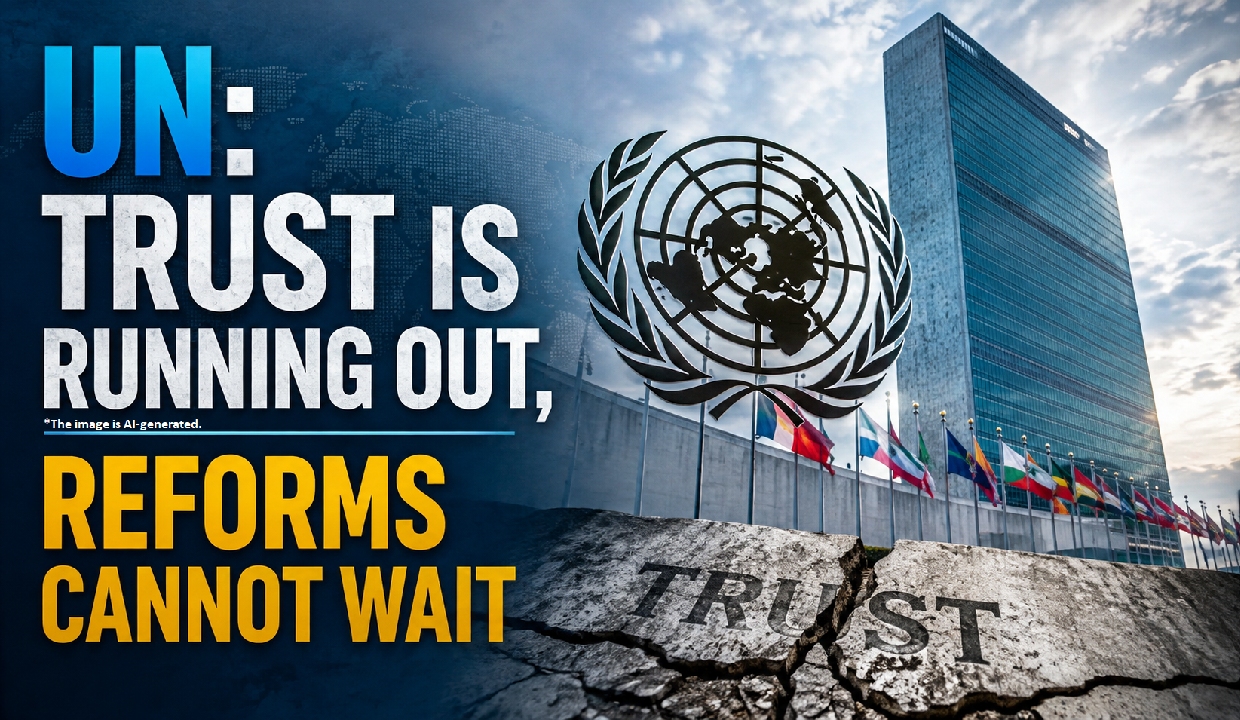
Created to uphold peace, the United Nations is constrained by an outdated power structure. It must reform before losing relevance
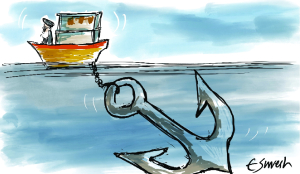
When world leaders take the podium in New York on Tuesday for the 81st General Debate, the theme, “Restoring trust, managing transformation: a United Nations that delivers for all”, will read less like an aspiration than an admission. General Assembly President Khalilur Rahman of Bangladesh said as much when he gavelled the session open on September 8: trust is in deficit. The evidence is everywhere. The Gulf has swung between truce and strikes since the US-Israeli attacks on Iran in February, with the Strait of Hormuz, and the world economy, held hostage. Ukraine remains unresolved, and Gaza’s peace plan awaits full implementation. Secretary-General António Guterres says de-escalation in the Middle East must be “priority one, priority two and priority three”. The Security Council, constrained by the vetoes of its five permanent members, has too often been a spectator.
The house is also short of money. In January, Guterres warned of “imminent financial collapse” as arrears hit a record $1.57 billion. The 2026 budget was cut by about 7 per cent to $3.45 billion. Washington, which funds 22 per cent of the regular budget, paid $827 million this month, yet still owes roughly $4.2 billion. An organisation counting the days to payroll cannot credibly preach delivery.
Has the UN lived up to its promise? Partly. It has helped the world avoid a third world war, eradicated smallpox, phased out ozone-eating chemicals through the Montreal Protocol, and fed and sheltered millions through the WFP and UNHCR. But Rwanda and Srebrenica remain stains it has never washed out, and today’s paralysis feeds the perception that international law binds only the weak. Reform is therefore overdue, and it must go beyond cost-cutting. The UN80 initiative, launched in 2025, has trimmed budgets and posts. That was necessary, but efficiency is not legitimacy. The real reform is political. A Council whose permanent membership froze in 1945, and which was enlarged only once, in 1965, and only by non-permanent seats, cannot claim to speak for 193 states. Africa has no permanent seat. India, the most populous nation and a leading troop contributor to peacekeeping, has none either.
Negotiations have run since 2009 without an agreed text. India’s ambassador, Parvathaneni Harish, was right in June to demand text-based talks. The way forward has four planks. First, a negotiating text with a deadline, so Council reform stops being a talking shop. Second, voluntary veto restraint in mass-atrocity cases, as the French-Mexican initiative proposes; the P5 will not surrender the veto, but they can be pressed to use it less.
Third, financial reform: end the antiquated return of unspent credits and make dues payable on time. Fourth, a credible succession. Three straw polls among eight candidates have produced no clear frontrunner.
The P5 must not trade the job for convenience, and a first woman Secretary-General would signal renewal. The UN was built in 1945 around the victors of a war. It will endure only if it is rebuilt for the many. Speeches alone will not restore trust.
Reforms will.