UN attributes Red Fort blast to AQIS
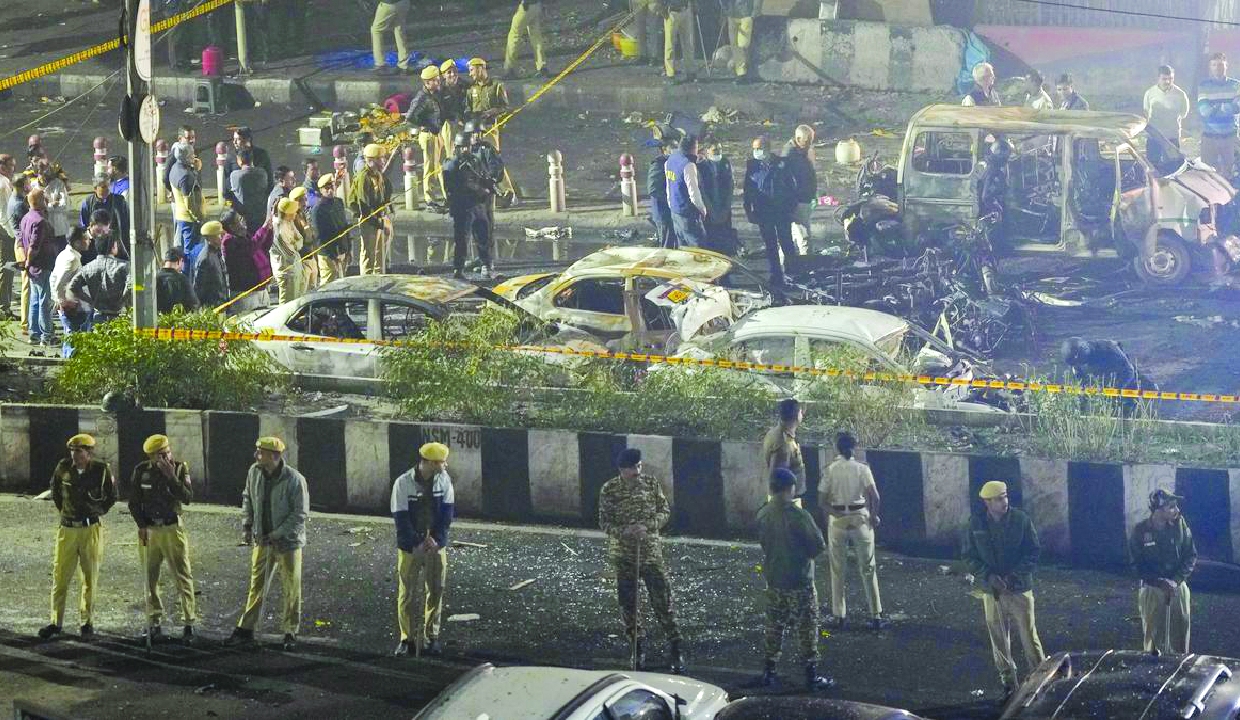
A United Nations Security Council (UNSC) monitoring team has officially linked the deadly November 2025 car bomb attack near Delhi’s Red Fort to Al-Qaeda in the Indian Subcontinent (AQIS). The finding appears in the 38th report of the Analytical Support and Sanctions Monitoring Team, submitted to the Security Council’s ISIL (Da’esh) and Al-Qaida Sanctions Committee.
The report, covering developments through mid-2026 and published earlier this week, states, “Al-Qaida in the Indian Subcontinent (AQIS, not listed) continued to evolve from a fragmented group into a regional terrorist entity; it established logistics and financial networks, working in decentralised small, scattered cells instead of large units. The attack in November 2025 on the Red Fort in Delhi was officially attributed to AQIS.” India’s Ministry of Home Affairs has listed AQIS and its related groups as terrorist organisations since 2018.
On the evening of November 10, 2025, a car packed with explosives went off near the Red Fort metro station in Old Delhi. According to official reports, 11 people lost their lives, more than 20 were injured, and nearby vehicles and property suffered heavy damage. Indian investigators identified the driver as Dr Umer Un Nabi, a doctor from Pulwama who previously taught at Al-Falah University in Faridabad. He died in the blast and is believed to have carried out a suicide bombing.
The National Investigation Agency (NIA) later filed a 7,500-page chargesheet against 10 people, linking them to Ansar Ghazwat-ul-Hind (AGuH), described as an offshoot of AQIS. The agency said several of the accused were radicalised medical professionals who rebuilt the group and planned the attack under the name Operation Heavenly Hind, which aimed to impose Sharia rule in India.
An earlier monitoring team report had cited information from one member State that linked the Red Fort incident, among other attacks, to the Pakistan-based Jaish-e-Mohammed. The current report’s official attribution to AQIS now puts the international focus on Al-Qaeda’s south Asian affiliate.
AQIS was formed in 2014 to expand Al-Qaeda’s reach in India, Pakistan, Bangladesh and Afghanistan. It was once seen as a smaller group, but the latest UN report says it has become a more organised regional threat. Besides the Delhi attack, the report says AQIS was the main force behind Ittihad-ul-Mujahideen Pakistan (IMP), which carried out several attacks in Pakistan, including a suicide car bombing near a security post in Bannu, Khyber Pakhtunkhwa, on 9 May that killed 21 people. The IMP leader was identified as Waqas, also known as Kalim Ullah.
The UN team noted “some concern about AQIS trying to exploit Bangladesh to establish cells there.” The monitoring team’s broader findings show that terrorist activity is still coming from Afghanistan. Al-Qaeda’s presence and strength in the country have not changed much. The group continues to provide ideological guidance, training, and support to Tehrik-e-Taliban Pakistan (TTP). In April, Al-Qaeda’s official media arm released a rare public statement supporting both the Taliban and TTP operations against Pakistan. One Member State also reported that Baloch Liberation Army members trained with TTP fighters under Al-Qaeda instructors in Afghanistan.
Security analysts in New Delhi see the UN’s findings as confirmation of India’s long-standing warnings about cross-border terrorism and safe havens in Afghanistan.
As Indian courts continue to investigate the Red Fort attack, the UN’s findings are likely to influence diplomatic talks at the Security Council and among countries in South Asia.