Trump bars CNN, MS NOW and Politico from White House over coverage he calls ‘fake news’
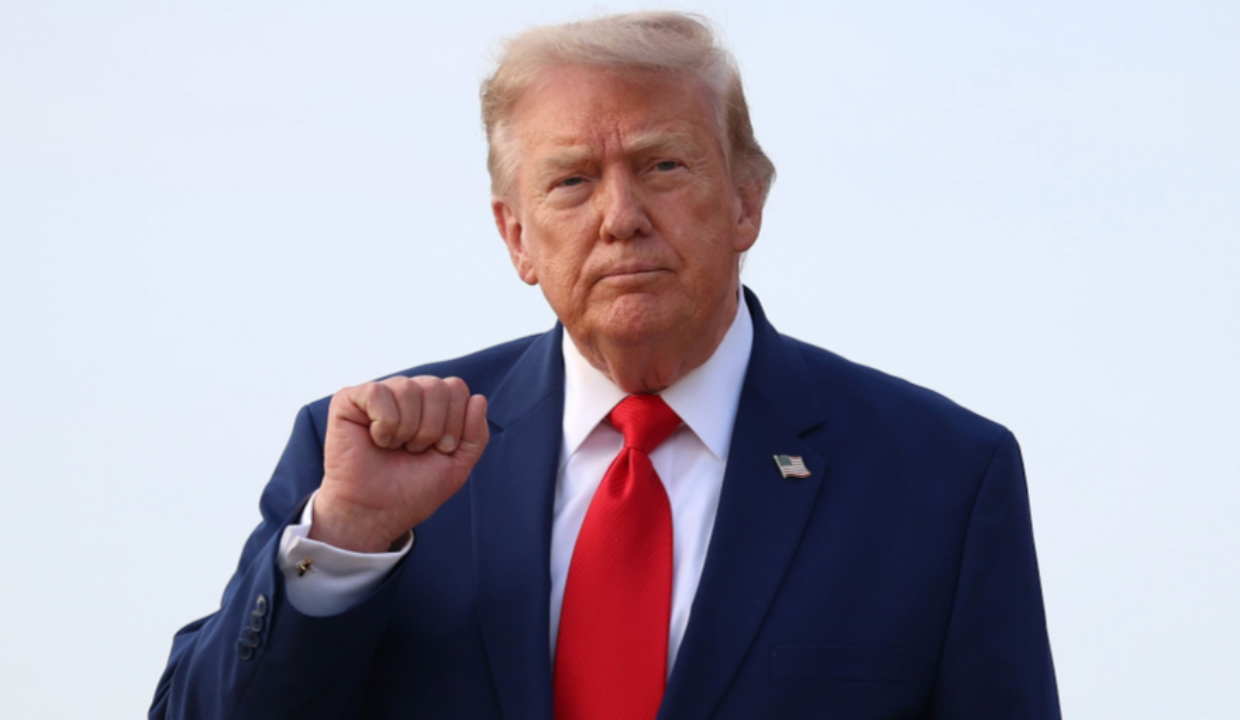
US President Donald Trump said Friday that he was barring CNN, MS NOW and Politico from the White House over what he described as unfavourable coverage and “fake news”. He also warned that other media organisations could face similar restrictions.
The move is the latest in Trump's increasingly aggressive response to media coverage he considers unfavourable and could have implications for press freedom and the First Amendment.
Trump announced the decision on his social media platform, saying that, effective immediately, he was “banning” CNN, MS NOW and Politico from the White House because of what he called their constant reporting of “FAKE NEWS”.
Minutes later, during an event in the Oval Office, Trump was asked to explain the decision.
“Because they're fake news,” he said, adding that he was tired of seeing what he considered fake news. He criticised CNN, MS NOW and Politico and said the stories published by Politico were false.
Trump also said other media outlets could be added to the list and suggested they could regain access if their coverage improved. He said the US “has to have honest news”.
CNN criticised the move, saying it stood behind its White House team and its “fair and accurate reporting”.
The network said the US Constitution gives it the right to carry out its reporting without government interference. It added that if the ban threatened by Trump goes ahead, it would amount to an illegal attack on that constitutionally protected right.
Politico said it would continue to report fairly on the Trump administration and future administrations and would defend its First Amendment rights against any attempt to restrict them. MS NOW did not immediately respond to an email seeking comment.
Trump's growing confrontation with media
The White House has had increasingly tense relations with the media during Trump's second term. His administration has taken action against certain media organisations through court proceedings and regulatory measures, while Trump has also criticised individual journalists in person and on social media.
The latest move follows Trump's decision last year to restrict Associated Press journalists from the Oval Office, Air Force One and other events. The action came after the news organisation declined to follow Trump's preferred name, “Gulf of America”, for the Gulf of Mexico, which borders Mexico and other countries. The AP said it would note when appropriate that Trump had ordered the name changed.
The AP challenged the restrictions in court, and the case remains ongoing. Since returning to office, Trump has also pursued legal action involving other news organisations, including The New York Times, The Wall Street Journal and the BBC. His administration is also involved in a continuing dispute with ABC over the renewal of its broadcast licences.
Trump's reported attempt to restrict CNN's White House access is particularly significant because the network has traditionally been part of the five-network television pool that travels with the president and provides coverage of his activities and interactions to audiences in the US and abroad.
Trump provides no details on implementation
Trump did not explain in his social media post how the proposed ban on the three outlets would be implemented.
The announcement came shortly before he spoke to reporters in the Oval Office during a healthcare event. He later planned to take the press pool to his golf club in Virginia for a meeting and dinner sponsored by his Super PAC before spending the weekend at Camp David, where reporters generally do not accompany him.
Trump also criticised other media organisations during the event, calling The New York Times “so fake” and describing The Washington Post as “disgusting”.
A federal judge had previously ruled that the government could not punish the AP because of its editorial decisions. An appeals court later halted most of that ruling while considering the Trump administration's appeal. The case remains pending 18 months later.
In Sherrill v. Knight, a federal appeals court ruled in 1977 that although the White House is not required to provide access to news organisations, once it establishes press facilities for credentialed journalists, it cannot deny access based on the content of their reporting.
The court said any denial must serve a compelling government interest, while the journalist must also receive notice, an opportunity to respond and a final decision in writing. (with inputs from Associated Press)