Tourism now central to national development under PM Modi: Gajendra Singh Shekhawat
Of late, India as well as South Asia has emerged as a major tourist attraction the world over. Its natural beauty, culture, and affordability make it one of the chosen destinations. In the last few years there have been tremendous advancements in the infrastructure and facilities for the tourists, including connectivity and accommodation and other amenities. Facilitating tourism in South Asia is the South Asia Travel and Tourism Exchange (SAATE) is a major travel trade show held in India.
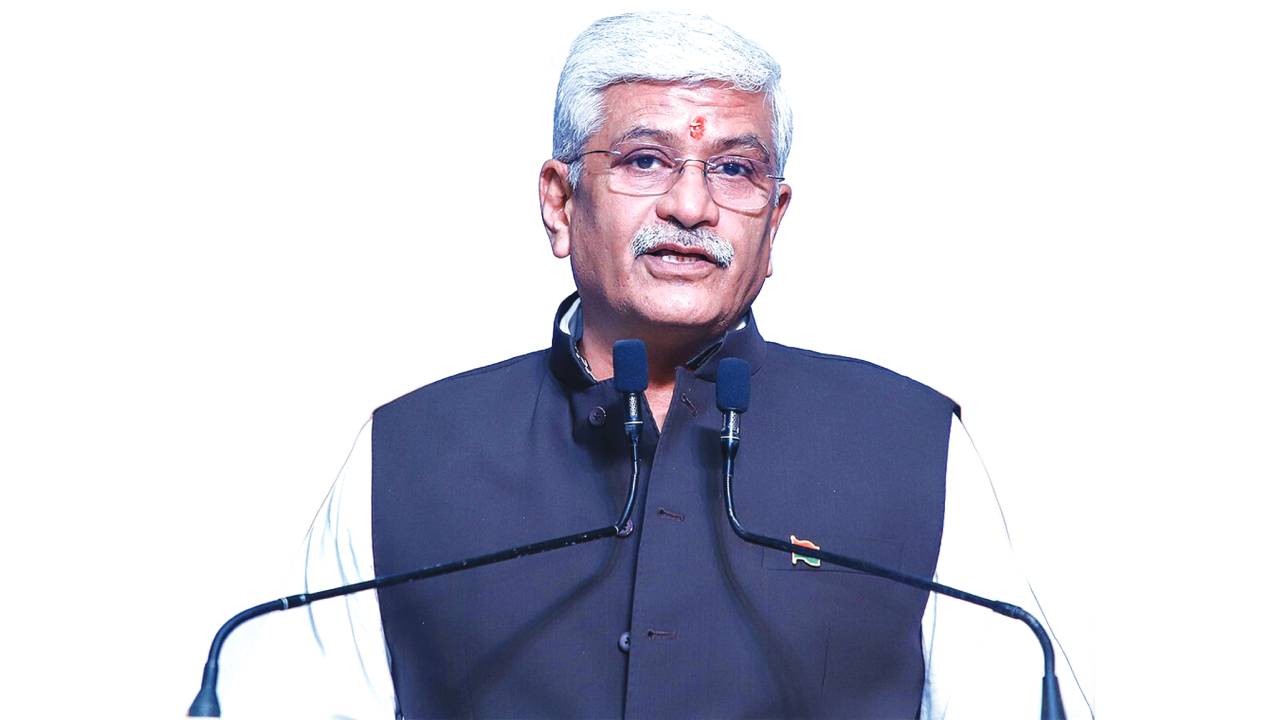
This year it opened with much fanfare at Yashobhoomi, New Delhi. It was inaugurated by Union Tourism and Culture Minister Gajendra Singh Shekhawat, who said tourism has moved “from the margins of policy to the centre of national development” under the leadership of Prime Minister Narendra Modi. He hailed the efforts made by SATTE to promote tourism, saying that in three decades, SATTE has evolved into a platform shaping industry conversations across India and the Asia-Pacific region.
The Exposition began with participation from over 2,000 exhibitors representing more than 3,200 brands across 60+ countries, underlining India’s growing stature in global tourism. The three-day exhibition began with buyer-seller meetings, policy dialogues, and strong international engagement. Highlighting key initiatives, Shekhawat referred to Swadesh Darshan 2.0 as a driver of sustainable destination development rooted in local culture and ecology.
He also pointed to the revival of spiritual circuits in Ayodhya, Ujjain, and Kashi, and the success of the Dekho Apna Desh campaign. Suman Billa, Director General and Additional Secretary, Ministry of Tourism, lauded India’s growing stature in tourism. He said India is entering a long-term tourism growth cycle, citing 20 million inbound visitors, 30 million outbound travelers, and nearly 3 billion domestic journeys.
He emphasised reforms to improve ease of travel and ease of doing business. Special Advisor to the UN Tourism Secretary-General Anita Mendiratta highlighted India’s rising leadership in shaping global travel narratives. She stressed that the future of tourism lies not just in scale, but in authenticity, community, and purpose.
Representatives from Ladakh and Arunachal Pradesh showcased the growing appeal of emerging destinations, backed by improved connectivity and infrastructure. Ladakh’s development, including the transformative Zoji La Tunnel project, was cited as enabling year-round access.
This year SAATE has participation from 28 Indian states and tourism boards from Thailand, Malaysia, Maldives, Jordan, Egypt, Hong Kong, Nepal, Jamaica, and Vietnam. Participants in Tourism Vision 2047, MICE readiness, AI-driven travel solutions, sustainability, and public–private collaboration, reinforcing tourism’s expanding role in economic growth and employment generation.