Tide to the times
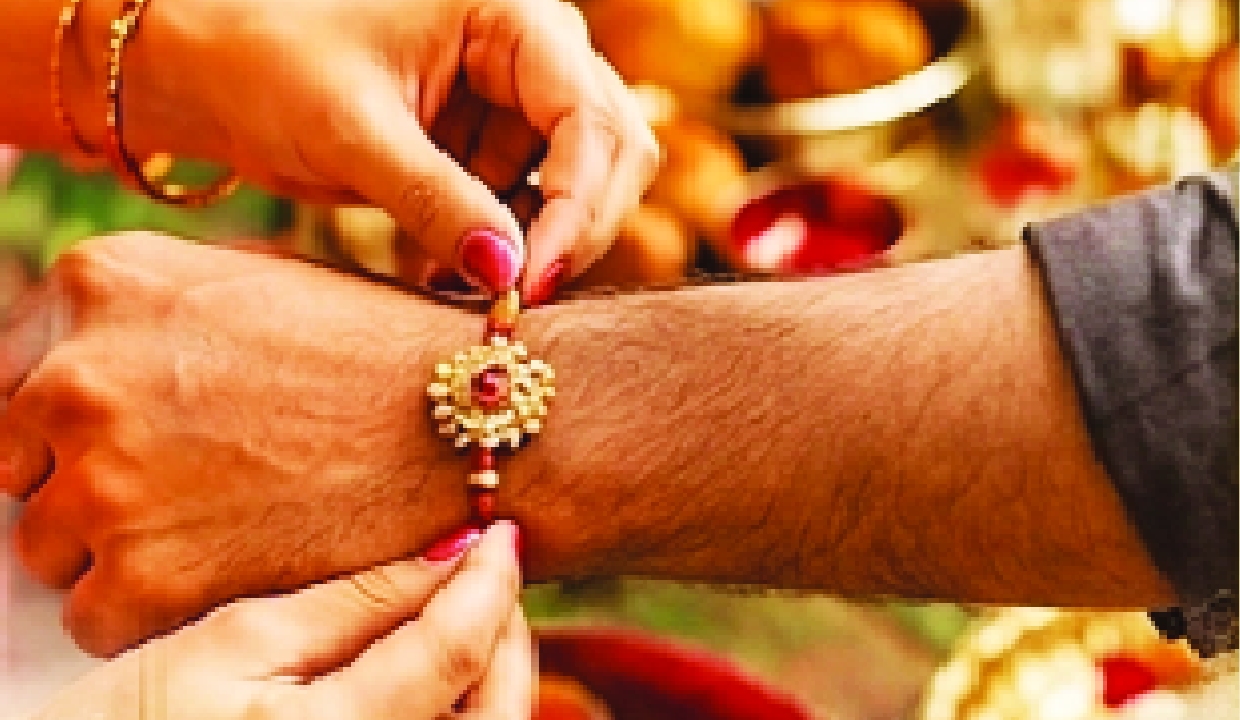
Before the era of glittering stones and customised trinkets crowded store shelves, a plain cotton string carried a heavy, lifelong promise. The festival of Raksha Bandhan originally centred entirely on the modest Kalava or Mauli. Spun from raw cotton, this red and yellow thread held prayers instead of price tags. Sisters tied these fragile strands to seal vows of protection rooted deeply in ancient epics and quiet rural folklore.
When the fun 1990s arrived that simple string suddenly turned into a burst of color. Local markets became messy fairs. Vendors tucked themselves behind heaps of marigolds, stringing up thick, squishy velvet circles. Suddenly, every rakhi had to have fake pearls, loud zari borders, and little gold-painted beads. Kids would drag their parents through the stalls for hours just to find the thickest sponge base. Having one felt like a prize. The bigger it was, the better- something soft enough to cover half your wrist and bright enough to make your friends notice it at school.
When the 2000s started, everything changed in a flash. Those soft, familiar velvet circles completely disappeared, swapped out for heavy metal designs packed with rows of fake diamonds. Shoppers started hunting for pieces mimicking intricate bracelets studded with elaborate stone motifs. Festive shopping shifted away from simple charm toward heavily marketed aesthetics, reflecting a rapidly changing society chasing affordable glamour.
Modern festive markets showcase a completely different sociological shift. The rakhi now functions as a highly specific fashion statement. Stalls are flooded with ‘Nazarbattu’ or evil eye designs, seamlessly fusing global bohemian jewellery trends with the traditional Indian practice of warding off bad luck.
At the very same time, a mindful approach to celebrations has carved out its own massive space. Eco-friendly versions embedded with tulsi, amaranth, or marigold seeds are actively reshaping the festival. After the celebrations end, these plantable threads go straight into the soil, eventually blooming into green shoots that act as living reminders of family affection. On the complete opposite end of the market, pure silver and gold-plated rakhis are booming in popularity. Silversmiths design these precious metals as permanent jewellery meant for everyday wear rather than a single day’s use.
A half-century of cultural shifts shows a simple tradition morphing from a fragile cotton string into a seeded plant or a precious silver ornament. Underneath all the changing trends and commercial pressure, the core tradition survives completely intact. The thread acts as a physical manifestation of an unbreakable bond, holding families together across the relentless march of time.