The ghosts that are really memory
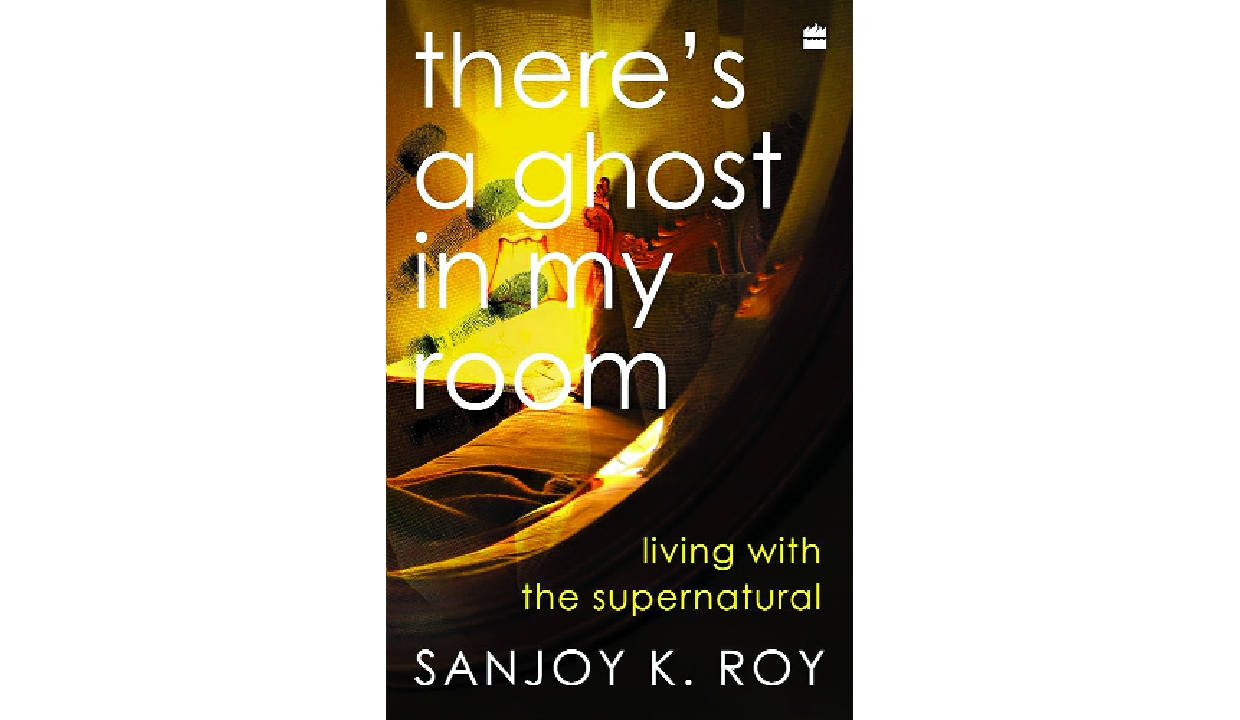
"Ghosts are all around us. Seek them out and you shall discover them," Ruskin Bond once said — an apt threshold into a disarmingly entertaining book. As someone susceptible to such phenomena, I read it hoping for insight as much as validation that the unreal is real. Roy's hauntings are never confined to ghosts alone — apparitions, premonitions, eerie presences, even an apparent possession.
Calling it a ghost-story collection undersells it; this is closer to a supernatural memoir, part autobiography, part travelogue, part social history, where the unexplained becomes a portal into decades of lived experience. Roy begins with an advantage rare among writers of the paranormal: he isn't anxious to convince anyone. He owns experiences that challenged his rational understanding without claiming to be a mystic or seer; these, he suggests, are his reality. The reader decides.
That refusal to proselytise gives it credibility and charm; there is no grand theory, only an accumulation of experiences offered as: this happened, I cannot explain it, perhaps you can.The sixteen chapters move from Calcutta and Delhi to Khajuraho, Rishikesh and the Himalayas, then onward to Jerusalem and Valladolid. Geography is never decorative — Roy has an instinct for places where history seems to settle into the walls. That is the book's most compelling idea: places remember.
A Delhi neighbourhood conceals histories beneath modern construction; Khajuraho becomes a repository of centuries; in Valladolid, an apparition leads Roy toward the Inquisition and the persecuted Alumbrados. His technique is effective: chapters often open cinematically — a child staring into darkness, Roy convulsing on a bus — before he wanders into a house's history or a memory, circling back to the inexplicable only later.
At its best, this gives the book the expansive quality of conversation.A second memoir sits quietly inside the first: the story of an India changing around its narrator.
Roy's childhood spans Cochin, Calcutta, Bombay, Delhi and London; his father's naval career brings the 1971 war home; later come liberalisation, television's rise, and Teamwork's ferment through the 1990s, forming the world that produced the Jaipur Literature Festival. These are not interruptions; for Roy, the supernatural does not exist outside ordinary life — it walks straight through it. Puneeta is one of its key presences, often more instinctively receptive than her husband; children, siblings, friends and pets lend warmth, and the paranormal unfolds amid marriages, meals and domestic chaos.
Humour helps too — in Rishikesh, a feared tiger turns out to be light glinting off a packet of chips. The register darkens in "The Fire," where Roy's narrative meets the 1997 Uphaar cinema tragedy — an all-too-real horror of negligence and grief, a reminder its gravest terrors aren't always paranormal. Elsewhere the ghosts turn benign: the Nainital presence at Madam Durell's grows almost custodial, and the Valladolid apparition inspires curiosity rather than fear.
Perhaps the truest ghosts are history, memory and attachment — people leave, houses change hands, civilisations build over ruins, yet something remains. Roy never tells us what it proves, and that is exactly why the book works. Warm, atmospheric and richly anecdotal, "There's a Ghost in
My Room" is less about fearing the dead than learning to live with the unexplained; believers will feel confirmed, sceptics may begin to wonder — and either way, you'll look differently at the rooms and memories we mistakenly think we inhabit alone.