The epidemic of Atrial Fibrillation in India: Why endure if we can cure
Atrial fibrillation (AF) is the most common heart rhythm disorder in the world and the leading cardiac cause of emergency hospitalisations. In India, AF used to be primarily caused by rheumatic heart disease. However, it is now increasingly linked to factors like obesity, hypertension and diabetes, and impacts people across the socioeconomic spectrum.
AF can cause symptoms such as palpitations, breathlessness and chest pain. Even without symptoms, it significantly increases the risk of stroke and heart failure. If untreated, it can shorten life expectancy by 5 to 10 years. It is not a benign condition.
The Role of Catheter Ablation
Historically, AF was treated with medications with even potential toxic side effects in some; it also requires lifelong adherence. Over the past two decades, catheter ablation (thermal ablation) has become the primary treatment for AF in the West.
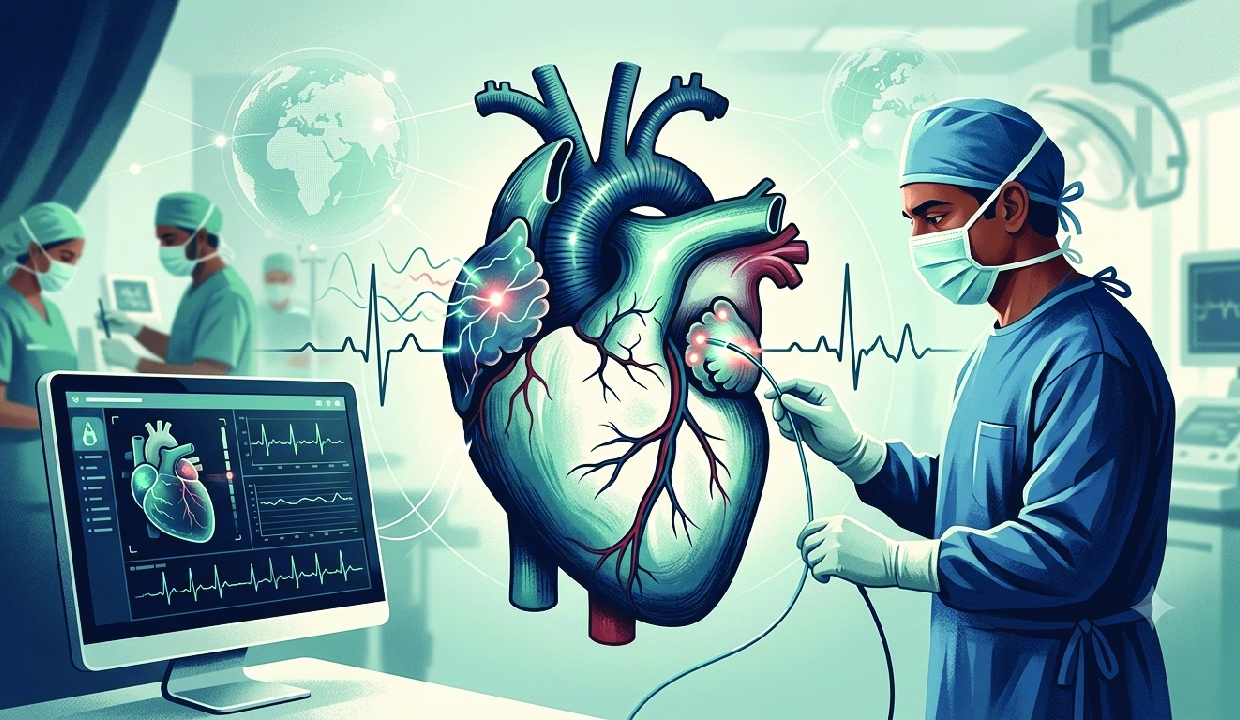
This procedure, performed by heart rhythm specialists called electrophysiologists, uses catheters inserted through veins in the leg to cauterise abnormal heart impulses causing AF.
Ablation can cure AF, especially in its early stages. When performed by experienced hands, it is extremely safe and effective.
However, the procedure is technically demanding and requires extensive experience for electrophysiologists. While cardiac electrophysiology has made significant progress, it still trails the West, particularly in AF ablation. Limited investment in training contributes to this disparity.
The Promise of Pulsed Field Ablation (PFA)
Over the past few years, Pulsed Field Ablation (PFA) has emerged as a new ablation modality. This procedure has significantly improved speed and safety, leading to its widespread adoption in the USA and Europe. Just last month, PFA launched in India to great excitement among the Indian cardiology community.
While this is a promising development, the prohibitively high cost of each PFA catheter remains a significant barrier for much of India’s population. PFA was recently advertised in a national newspaper as a paid advertorial, and I fear such broad direct-to-consumer marketing can confuse patients.
Experienced physicians have long known that every patient needs a personalised approach, which should also align with our goal of providing affordable population-level care.
Leveraging the Expertise of Indian Medical Professionals Abroad
Numerous studies show that traditional thermal ablation can achieve results comparable to PFA when performed by well-trained electrophysiologists.
To bridge this training gap, it is imperative to involve Indian experts who have excelled globally in cardiac electrophysiology.
Dr (Professor) Dhiraj Gupta, an alumnus of the All India Institute of Medical Sciences (AIIMS), New Delhi, exemplifies this potential. Based in the United Kingdom, he has pioneered a cost-effective AF ablation technique utilising a single catheter, delivering results comparable to more expensive options like PFA.
Dr Gupta trains local teams in this low-cost ablation technique through pro bono workshops across hospitals in India. This highlights how collaboration with the Indian medical diaspora can build local expertise.
These initiatives not only improve patient outcomes but also promote the adoption of affordable technologies tailored to India’s unique healthcare needs. We must ensure similar initiatives continue to be encouraged and developed to facilitate effective skill transfer.
A Call to Action for India’s Healthcare System
While technological advancements like PFA are promising, India must prioritise building local training capacity. Encouraging partnerships between domestic hospitals and Indian experts abroad will foster skill transfer and ensure that cutting-edge treatments are accessible to all.
Major Medical institutions, both public and private, should actively seek support from pioneers within the Indian diaspora, such as Professor Gupta, and promote training programmes focused on cost-effective, high-quality care. As the importance of AF increases, a concerted effort to integrate global expertise with local practice will be pivotal in transforming India’s cardiac care landscape.
Conclusion
India stands at a crossroads in its fight against atrial fibrillation. By embracing a personalised approach and tapping into the expertise of Indian medical diaspora, we can offer our population not just treatment, but hope-a future where quality cardiac care is both advanced and affordable.
The writer is the chairman of Heart Institute, PSRI Hospital, New Delhi; former professor and head, department of cardiology and director, PGIMER Chandigarh; Views presented are personal.